Tourism is a key driver of Albania’s economy, but its rapid growth also creates sustainability challenges. Integrating circular economy principles is therefore essential to reduce environmental impacts and ensure long-term sector resilience.

This module introduces learners to the baseline context in which circular economy solutions must operate, focusing on the main challenges affecting tourism in Albania and on the key barriers to the implementation of sustainable practices. Building on this context, the module further outlines circular tourism solutions and opportunities, while promoting awareness among tourists.
The goal of this module is to equip learners with the ability to identify key barriers to the implementation of sustainable tourism in Albania and to apply practical tools to address them. This includes assessing environmental impacts, supporting circular practices, and developing basic solutions for monitoring, cooperation, and communication at destination level.
- Guiding Question 1: What are the main challenges limiting sustainable tourism in Albania?
- Guiding Question 2: Why do SMEs struggle to adopt circular practices?
- Guiding Question 3: Which factors influence the transition to circular tourism?
Core Section A: Current Challenges in Albanian Tourism
Concept Explanation
In the context of the Green Agenda for the Western Balkans, Albania and its neighbouring countries are striving to align with the European Green Deal and progressing towards EU environmental and climate standards. The agenda promotes sustainable economic development through five main pillars:
- Climate action and decarbonisation
- Circular economy
- Pollution reduction
- Sustainable food systems and rural development
- Biodiversity protection
For Albania, the Green Agenda encourages investments in renewable energy, energy and water efficiency, sustainable tourism, waste reduction, recycling, and the protection of forests, rivers, coastal areas, and national parks. It also supports cleaner transport, improved environmental governance, and greater resilience to climate change. For hospitality and tourism SMEs, the Green Agenda provides a framework for adopting resource-efficient practices that reduce costs, lower carbon emissions, protect natural heritage, and improve competitiveness.
However, identifying the main challenges and barriers to implementing these measures to arrive at circular economy principles is essential to understanding where and how sustainable tourism practices can realistically be improved. In our analysis of the key challenges to circular tourism practices in Albania, we have defined the following points:
Key Challenges in Albanian Tourism
- Seasonality and over-tourism pressures: Tourism demand is highly concentrated in the summer months, leading to overcrowding in coastal destinations such as Vlora and Dhermi, as well as in cultural heritage sites like Gjirokastër and Berat. This results in intense pressure on local ecosystems, services, and infrastructure, while the off-season is characterized by underuse of resources and missed opportunities for year-round sustainable development.
- Pressure on waste management systems: Tourism significantly increases waste generation, especially in coastal, mountain, and remote areas where infrastructure is limited. Waste collection services cover only part of the population (around 77%), and recycling systems remain underdeveloped or inconsistently applied, particularly in rural areas. Informal recycling exists but is not sufficient to ensure effective circular resource flows.
- Overload of water, energy, and basic services: During peak tourist seasons, demand for water and energy rises sharply, placing stress on already limited systems. Hotels, resorts, and transport services are major contributors to high consumption levels, often relying on traditional infrastructure that is not optimized for efficiency or sustainability.
- Weak and uneven infrastructure for circularity: Many rural and coastal regions lack adequate systems for recycling, wastewater treatment, sustainable transport, and resource recovery. This structural gap limits the ability of tourism operators to adopt circular economy practices, even when there is willingness to do so.
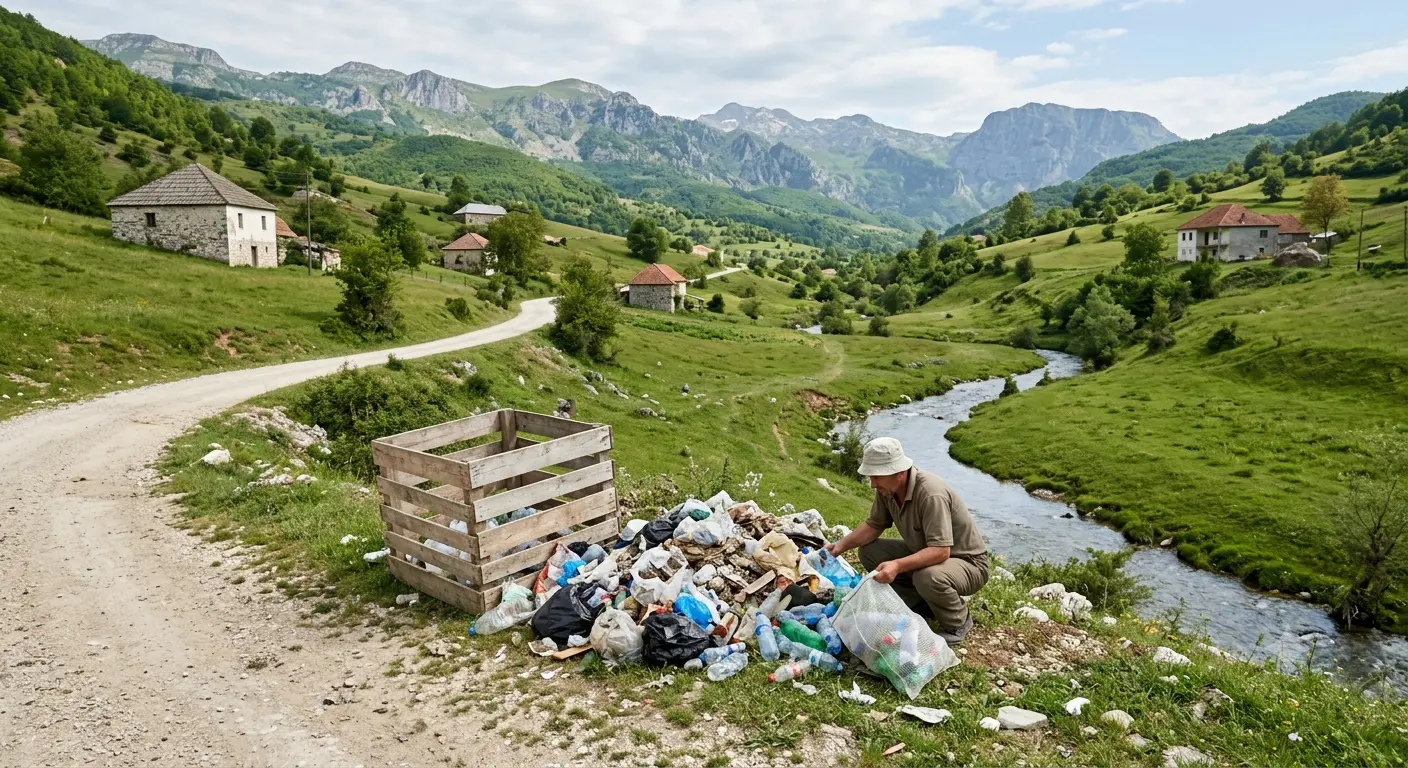
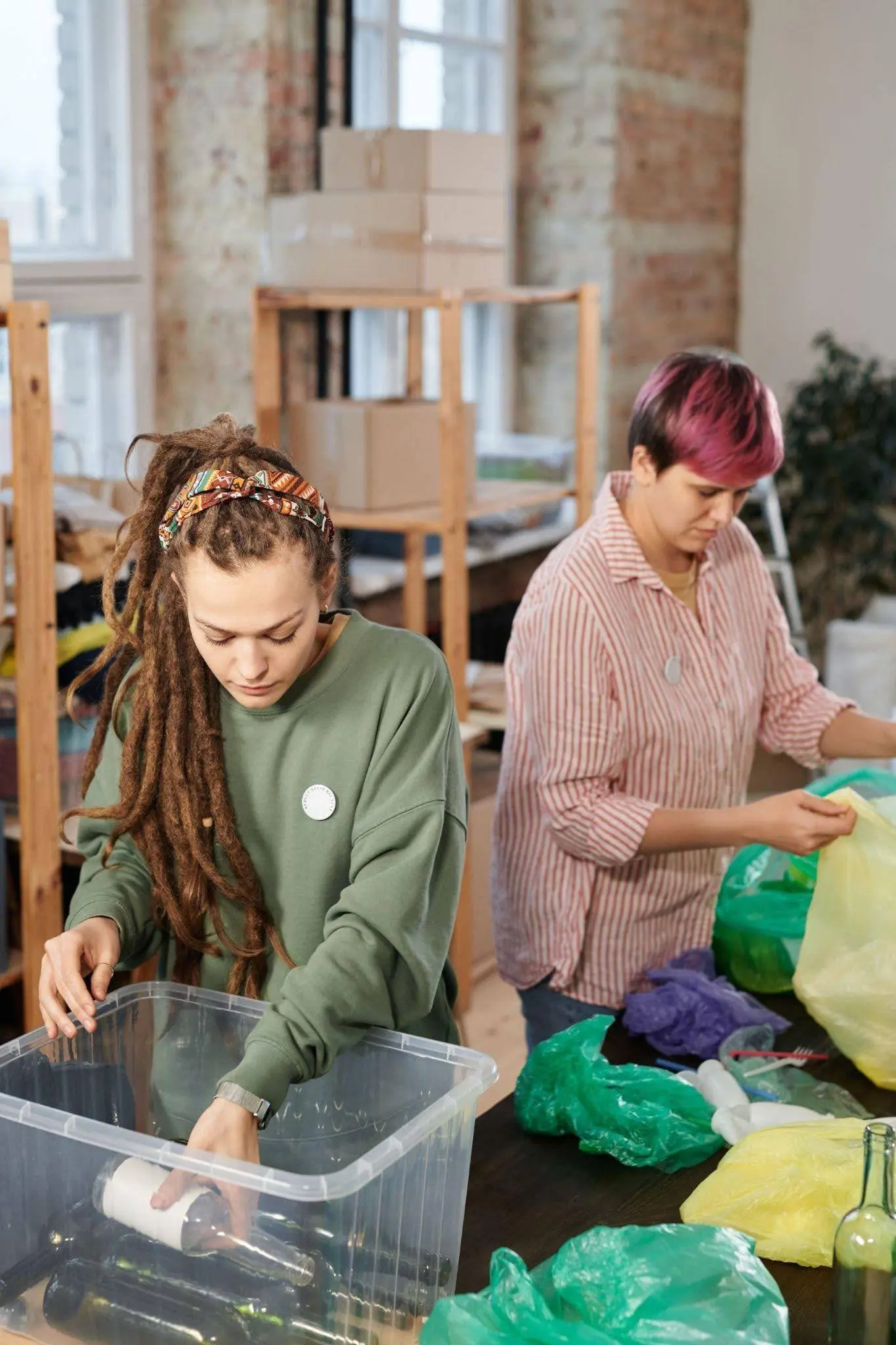
Environmental degradation and biodiversity loss: Tourism expansion contributes to land-use change, habitat fragmentation, pollution, and biodiversity loss, particularly in sensitive ecosystems such as coastal lagoons, protected areas, and lake regions like Ohrid. Environmental incidents, including poorly managed landfills or pollution events, further highlight these vulnerabilities.
- High energy consumption and slow energy transition: The tourism sector relies heavily on energy-intensive services such as heating, cooling, lighting, and transport. Although Albania has significant hydropower resources, the transition towards renewable and energy-efficient systems in tourism infrastructure remains limited, contributing to environmental pressure and inefficiencies.
- Low awareness and limited capacity on circular economy practices: Many tourism SMEs, local communities, and stakeholders have limited knowledge of circular economy principles such as waste prevention, reuse, and resource efficiency. This lack of awareness reduces adoption of sustainable practices and slows down systemic change.
- Governance, investment, and community balance challenges: Weak enforcement of environmental regulations, limited financial resources, and fragmented coordination between stakeholders create barriers to sustainable tourism development. At the same time, tensions can arise between local community needs and external investment interests, making it difficult to align economic growth with environmental protection and EU Green Agenda priorities.
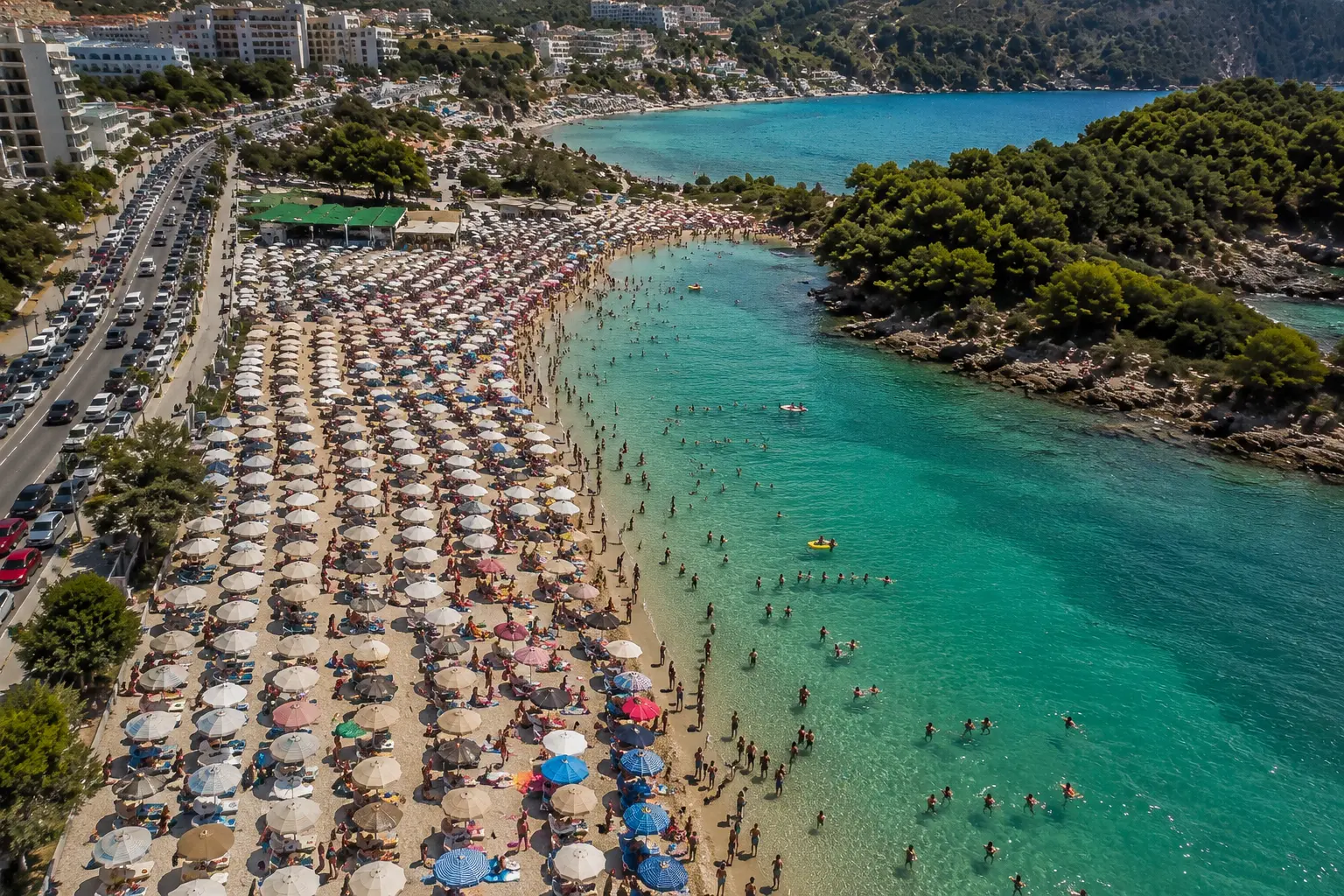
Despite these challenges, Albania also presents significant opportunities for circular tourism development. Strengthening infrastructure, improving governance, increasing awareness, and promoting collaboration among stakeholders in line with the Green Agenda can support a gradual transition toward more sustainable and resilient tourism systems. In the following chapters, we will look at specific obstacles and possible solutions.
Examples and Case Studies
- Practical example 1: Hilton Hotels “Travel with Purpose”
In 2024, Hilton strengthened its efforts to reduce single-use plastic waste through a series of operational changes across its hotels. By replacing small bathroom amenity bottles with full-size dispensers, the company cut its annual single-use plastic consumption by around 3.7 million pounds, representing more than a 50% reduction compared to the previous model. In the EMEA region, slippers with plastic EVA soles were replaced with versions made from recyclable cork, while sustainable pens helped reduce plastic use by 57%, and other dry amenities saved about 13 tons of plastic annually. In addition, 69% of Hilton hotels now provide access to hydration stations or on-site bottling systems, encouraging reusable bottles instead of single-use plastics. The adoption of Digital Key in 82% of properties further contributed to sustainability efforts by eliminating plastic key cards. Overall, this innovation alone prevented over 103 tons of plastic waste in 2024.
Even in smaller hotels and guesthouses, simple and low-cost adaptations, such as refillable amenities, reusable water systems, and digital check-in, could significantly reduce environmental impacts and support more circular tourism practices.
- Practical example 2: TOURISM 365 Conference & B2B Marketplace
The Croatian initiative TOURISM 365 Conference & B2B Marketplace The conference brings together policymakers, tourism businesses, SMEs, educators, and experts from Croatia and Southeast Europe to discuss sustainable tourism, smart tourism, digitalisation, AI, resilience, and destination development. Through workshops, networking activities, and B2B meetings, participants exchange knowledge and explore tourism experiences that can be promoted throughout all 365 days of the year.
The promotion of year-round tourism addresses challenges also relevant in Albania: seasonality, overcrowding in peak summer months, and uneven use of tourism infrastructure. Similar initiatives could help tourism stakeholders diversify tourism beyond coastal summer tourism by promoting rural tourism, cultural heritage, gastronomy, and off-season experiences.
Methodologies and Tools
- Methodology: SWOT Analysis
A SWOT analysis is a methodology that defines strength, weaknesses, opportunity and threats of a given setting, product or situation in a matrix. You can expand this by categorising it according to internal factors (what can you control) and external factors (things you cannot control. This helps to decide on problem solving approaches and, very basically, get a better overview of a situation. Resources for this methodology are abundant: Miro offers free templates, as does Canva.
There is also a variety of guidelines on how to best conduct a SWOT analysis, for example from the University of Kansas or the Commonwealth of Australia.
This methodology helps you with
- Analysing sustainability challenges and opportunities within a tourism destination or tourism business context
- Identifying realistic entry points for circular economy solutions and encourages critical thinking on sustainable tourism development.
- Developing practical, problem-solving, and strategic planning skills related to sustainable tourism management
- Experiential learning by connecting theoretical concepts with real tourism challenges
- Applying circular economy principles in realistic contexts
The Circular Tourism Albania compilation of Best Practices is a comprehensive resource designed to inspire, inform, and empower tourism stakeholders, providing successful projects from France, Spain, and Germany. The practices are directly addressing the challenges identified in Albania. They showcase practical and inspiring ways to integrate CE principles into tourism education, business operations, and community initiatives in three crucial areas:
- Farm to Fork / Sustainable Food Systems
- Waste Management
- Resource Efficiency
You can download the complete collection of Best Practices or explore our database to find practices relevant to your needs on the Circular Tourism website.
Core Section B: Obstacles to implementing sustainable tourism practices
Concept Explanation
Recognising and understanding the main challenges that limit the adoption of sustainable tourism practices is essential to improve efficiency, meet sustainability requirements like the EU Green Agenda, and support long-term competitiveness in a more responsible tourism market. This section focuses on practical barriers faced by SMEs, VET providers, and local destinations, including economic, skills-related, coordination, digitalisation, and infrastructure challenges that limit the adoption of sustainable tourism practices. For hospitality and tourism SMEs, these challenges are directly linked to daily operations such as costs, resource use, and service delivery.
2.1 Financial difficulties: Economic difficulties are a major barrier to circular tourism in Albania, as SMEs often lack the financial capacity to invest in sustainable technologies and practices due to limited budgets, high upfront costs, and uncertain returns. Small tourism businesses such as hotels and guesthouses struggle to prioritise investments in energy efficiency, renewable energy, and improved waste and water management, even when these support long-term sustainability. A key issue is the initial cost of circular solutions, combined with limited access to financial support such as subsidies, grants, or low-interest loans. This increases the financial risk for SMEs considering sustainability transitions. In addition, many businesses focus on short-term profitability, making it difficult to invest in measures that only generate benefits over the medium to long term. However, as we will see, circular economy practices can ultimately reduce operating costs and improve efficiency through lower energy, water, and waste expenses.
2.2 Skills gaps in VET and SMEs: A major barrier to circular tourism in Albania is the gap in knowledge and skills between vocational education and training (VET) provision and the needs of the tourism industry. Many VET programmes still rely on outdated curricula that do not adequately cover sustainability, circular economy principles, or practical green skills, leaving graduates insufficiently prepared to implement resource-efficient practices in the workplace. At the same time, many tourism SMEs lack basic knowledge of circular economy concepts. Managers and staff often have limited awareness of sustainable practices such as waste reduction, energy efficiency, and responsible resource management, which slows down adoption at business level. Limited access to continuous training and professional development further reinforces these gaps, making it difficult for both educators and tourism professionals to stay updated with new tools, practices, and sustainability requirements.
2.3 Lack of clear policies and coordination: The tourism industry is a fragmented system of interdependent service providers, where formal and informal governance structures interact at destination level. In Albania, this fragmentation is further reinforced by gaps in policy frameworks and weak coordination among key stakeholders involved in tourism development. Although progress has been made towards more sustainable practices, existing policies supporting circular tourism remain limited in scope and often lack the strength needed to actively encourage businesses to adopt circular models. In many cases, regulations are not sufficiently flexible to promote innovation, while their implementation remains inconsistent, reducing their overall impact. As a result, tourism SMEs often lack clear guidance and incentives to invest in practices such as waste reduction, energy efficiency, or responsible resource use. Another key challenge is the limited coordination between national authorities, local governments, tourism operators, and educational institutions. The absence of strong collaboration mechanisms leads to fragmented actions, unclear responsibilities, and a lack of shared strategic direction at destination level. Effective circular tourism requires stronger governance based on participation, transparency, accountability, and shared vision, ensuring that all stakeholders work towards common sustainability goals.
2.4 Digitalisation challenges: Rural areas in Albania face particular challenges in accessing adequate digital infrastructure, and the tourism sector in general is characterised by a low level of digitalisation. There is often a gap between available technologies and the digital skills of the tourism workforce, especially within SMEs, which limits the effective use of digital solutions for sustainability. Circular economy approaches increasingly rely on digital tools to monitor resource consumption, manage waste flows, and engage customers in more responsible behaviours. However, when businesses have limited digital capacity or skills, the implementation of these tools remains weak and fragmented. As a result, many SMEs have limited access to digital systems for tracking water, energy, and waste use, and data is rarely used to support decision-making processes. Strengthening basic digital skills and improving access to simple digital tools is therefore essential to support more efficient resource management, better coordination, and more informed sustainability decisions in the tourism sector.
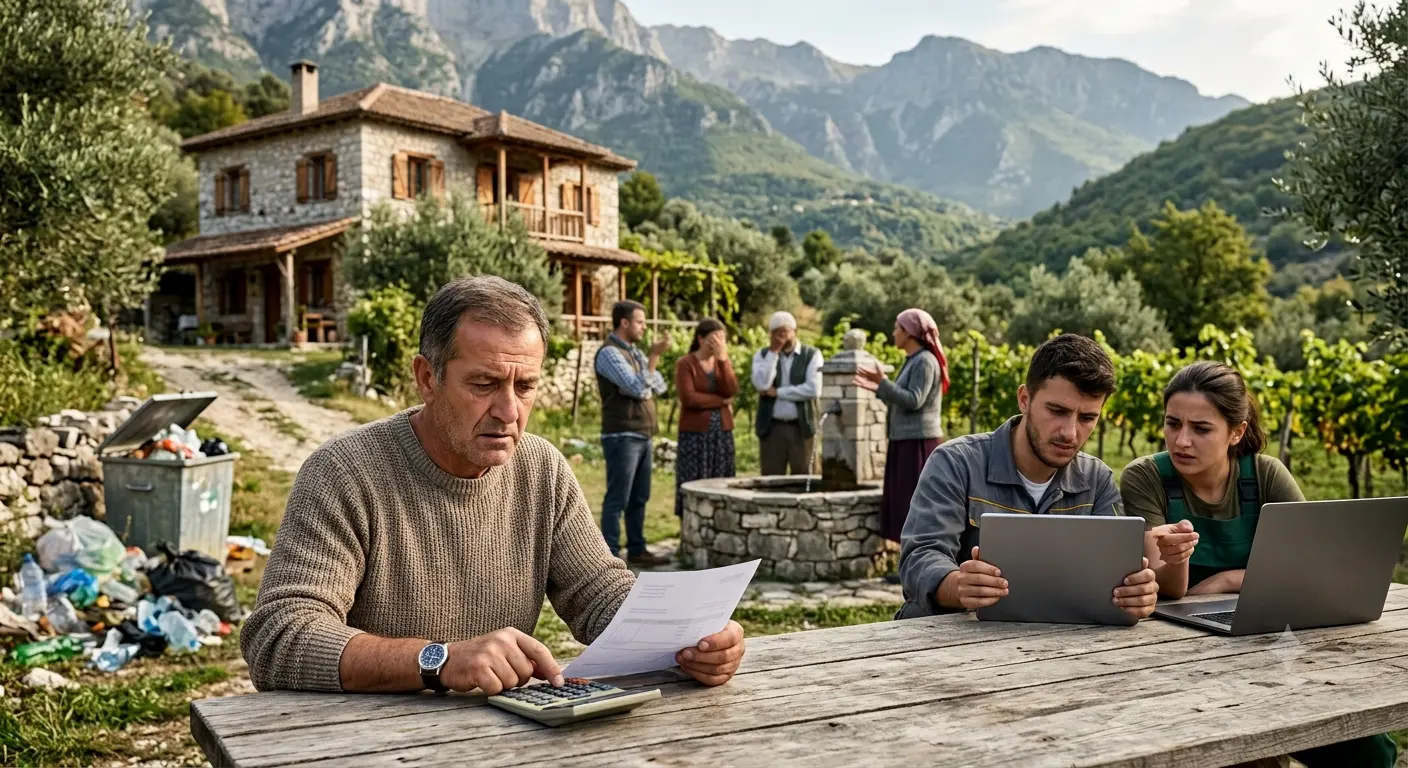
2.5 Lack of infrastructure: A lack of adequate infrastructure represents a significant barrier to the implementation of circular economy practices in the tourism sector in Albania. The absence of essential facilities such as recycling centres, composting systems, and renewable energy infrastructure limits the ability of businesses to fully apply circular strategies. Without these basic systems in place, SMEs face major difficulties in reducing waste, improving resource efficiency, or switching to more eco-friendly materials and operational practices. As a result, the transition towards more sustainable tourism models remains constrained and uneven across destinations.
Examples and Case Studies
- Best Practice: Geo Dome – Sustainable Food and Community Learning Space
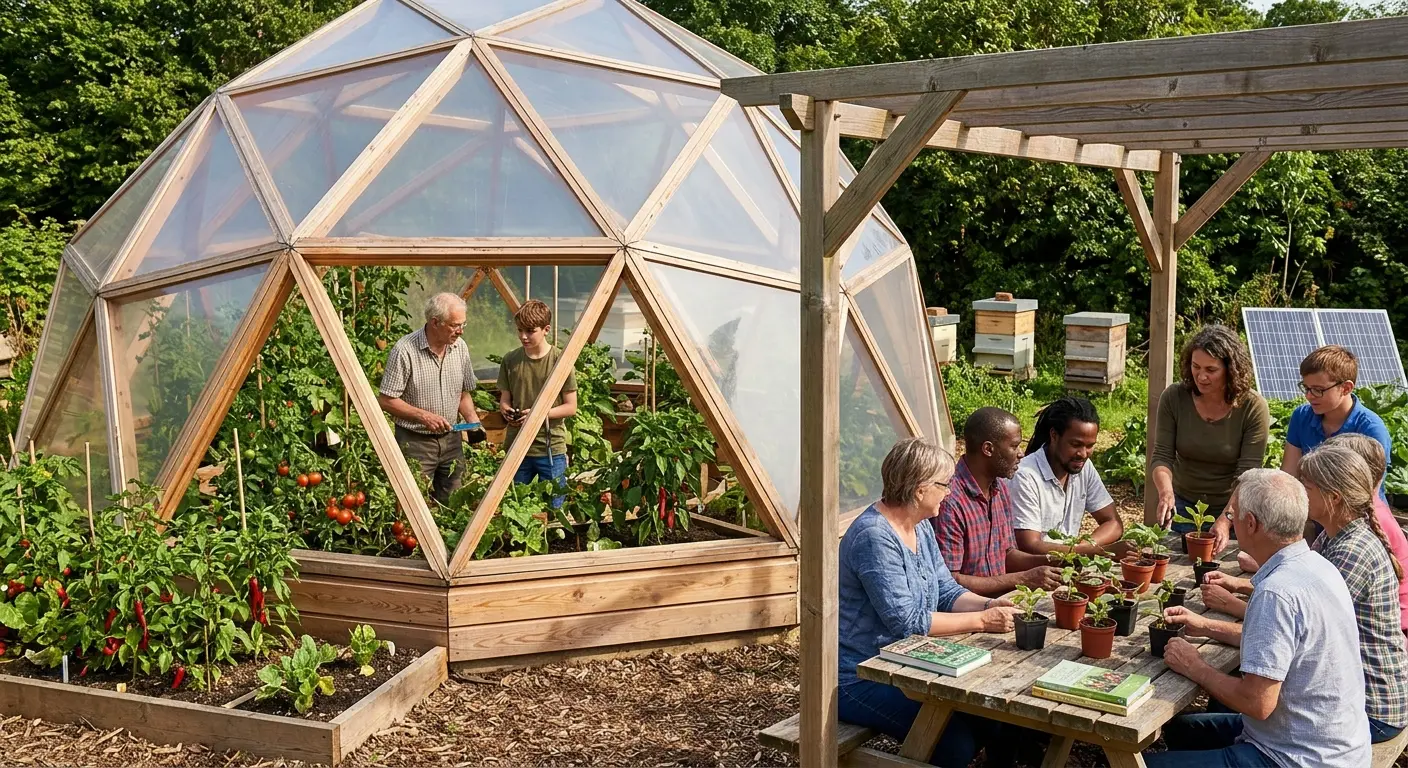
The Geo Dome in the Kapuzinergarten Eden, located in Eichstätt, Germany, is a geodesic dome greenhouse and multifunctional space built as a community effort involving local schools, students, academic bodies and local sustainable associations. This structure serves simultaneously as a greenhouse, weatherproof learning environment, and community meeting place. Made from regional larch wood, ETFE foil, and screw foundations, it demonstrates sustainable construction with low environmental impact. The Geo Dome hosts school classes, workshops, and community events, while also producing local food such as tomatoes and chilli peppers. It provides an innovative model for education, food resilience, and community engagement.
- Example: Vita Vjosa Project
A large effort to establish networks of sustainable tourism in Albania is the Vita Vjosa Project: The Vjosa Tourism Masterplan 2024–2033 positions the valley as a model for sustainable, nature-based tourism and community development, integrating tourism management with conservation and branding. A mapping of relevant locations and enterprises was published as a catalogue . It also involves setting up info points and support for enterprises who aim for sustainable practices.
Methodologies and Tools
Methodology: Design Thinking
Design Thinking is a human-centred problem-solving methodology that helps participants develop innovative and practical solutions to challenges. The approach focuses on understanding real needs, generating creative ideas, testing solutions, and improving them through collaboration and feedback. The methodology encourages participants to move beyond theoretical discussions and actively design realistic, low-cost, and locally adaptable solutions. It helps to think “outside the box” and find new ways and perspectives.
Main Phases of the Methodology
- Define the challenge
Identify a concrete sustainability problem affecting a tourism business or destination (e.g. plastic waste, excessive water use, overcrowding, inefficient energy use). - Understand users and stakeholders
Explore the needs and behaviours of tourists, local communities, businesses, and other stakeholders connected to the problem. - Generate ideas
Brainstorm possible circular economy solutions without immediately judging feasibility. Encourage creative and collaborative thinking. - Select and develop solutions
Choose the most realistic and impactful ideas and transform them into practical actions or small-scale initiatives. - Prototype the solution
Create a simple concept, sketch, workflow, awareness campaign, or operational plan showing how the solution could work in practice. - Test and improve
Discuss the proposed solution with peers or stakeholders, collect feedback, and identify possible improvements.
This methodology strengthens problem-solving, creativity, teamwork, and sustainability competences. It is very versatile and adaptable to various circumstances.
IDEO – Introduction to Design Thinking
CDT Webinar - The incubation of ideas
Tool: EU Funding and Tenders Portal
The EU Funding & Tenders Portal helps you find current funding opportunities offered by the European Union. Although Albania is not an EU Member State, organisations from Albania may be eligible to participate in and receive funding under certain EU programmes, depending on the specific call and its eligibility rules. The portal also allows you to search for EU-funded projects and their results, many of which are publicly available and can be used or built upon in accordance with their applicable licences or terms of use. If you already have a project idea, you can use the portal's partner search tools to identify potential organisations for your consortium.
Possible funding programmes are:
| Funding Programme | Who Can Apply | Typical Projects |
|---|---|---|
| Erasmus+ | VET schools, training centres, NGOs, SMEs (often as partners) | Learner and staff mobility, partnerships, curriculum development, Centres of Vocational Excellence, digital and green skills |
| Interreg IPA South Adriatic | Public bodies, VET institutions, municipalities, NGOs, SMEs (depending on the call) | Sustainable tourism, circular economy, green transition, cross-border cooperation |
| Horizon Europe | Universities, research institutes, innovative SMEs, clusters | Research, innovation, green technologies, tourism innovation, digitalisation |
| Single Market Programme (SMP) | SMEs, business support organisations, chambers of commerce | SME competitiveness, tourism resilience, sustainability, entrepreneurship |
| LIFE Programme | Public authorities, NGOs, businesses, research organisations | Environment, biodiversity, circular economy, climate action |
| Creative Europe | Cultural organisations, tourism organisations, municipalities | Cultural heritage tourism, creative industries |
| Digital Europe Programme | Education providers, SMEs, innovation hubs | Digital skills, AI, cybersecurity, digital transformation |
| IPA III (Instrument for Pre-accession Assistance) | Albanian public institutions, municipalities, VET providers, agencies | Education reform, employment, infrastructure, regional development |
Many Albanian VET schools and SMEs are more successful when they start as project partners rather than coordinators. Joining an experienced consortium allows them to build expertise in EU project management, understand reporting requirements, and establish international networks before leading their own projects.
For tourism-focused VET institutions, Erasmus+ is generally the most accessible starting point. Once they have experience with international partnerships, they can expand to programmes such as Interreg IPA for regional cooperation or Horizon Europe for larger innovation projects.
Core Section C: Solutions and Opportunities for the Green Transition
Concept Explanation
This section focuses on practical and immediately applicable solutions for integrating circular economy principles into tourism in Albania, where rapid growth in coastal and mountain destinations is creating both economic opportunities and increasing pressure on natural resources. The aim is to show how sustainability can become a real competitive advantage for Albanian hospitality and tourism SMEs—especially small hotels, guesthouses, and family-run businesses—through simple, low-cost, and scalable actions.
In many Albanian destinations, tourism development is often faster than the expansion of infrastructure for water, energy, waste, and mobility. This makes circular economy practices particularly relevant, as they offer practical solutions that do not require large investments but can significantly reduce environmental pressure while improving service quality and competitiveness, while at the same time generate a unique selling position for your product or business.
Key circular economy solutions for tourism SMEs in Albania:
- Eco-friendly accommodation practices: In hotels and guesthouses, resource efficiency measures can strongly reduce environmental impact. These include installing solar panels (highly suitable due to Albania’s strong solar potential), using LED lighting and energy-efficient appliances, and introducing simple water-saving systems. Waste reduction can be improved through better separation, reduced single-use amenities, and more circular renovation choices such as locally sourced furniture or reused materials. These practices help SMEs lower costs while aligning with the expectations of increasingly eco-conscious visitors. More on saving water and energy in Module 5.
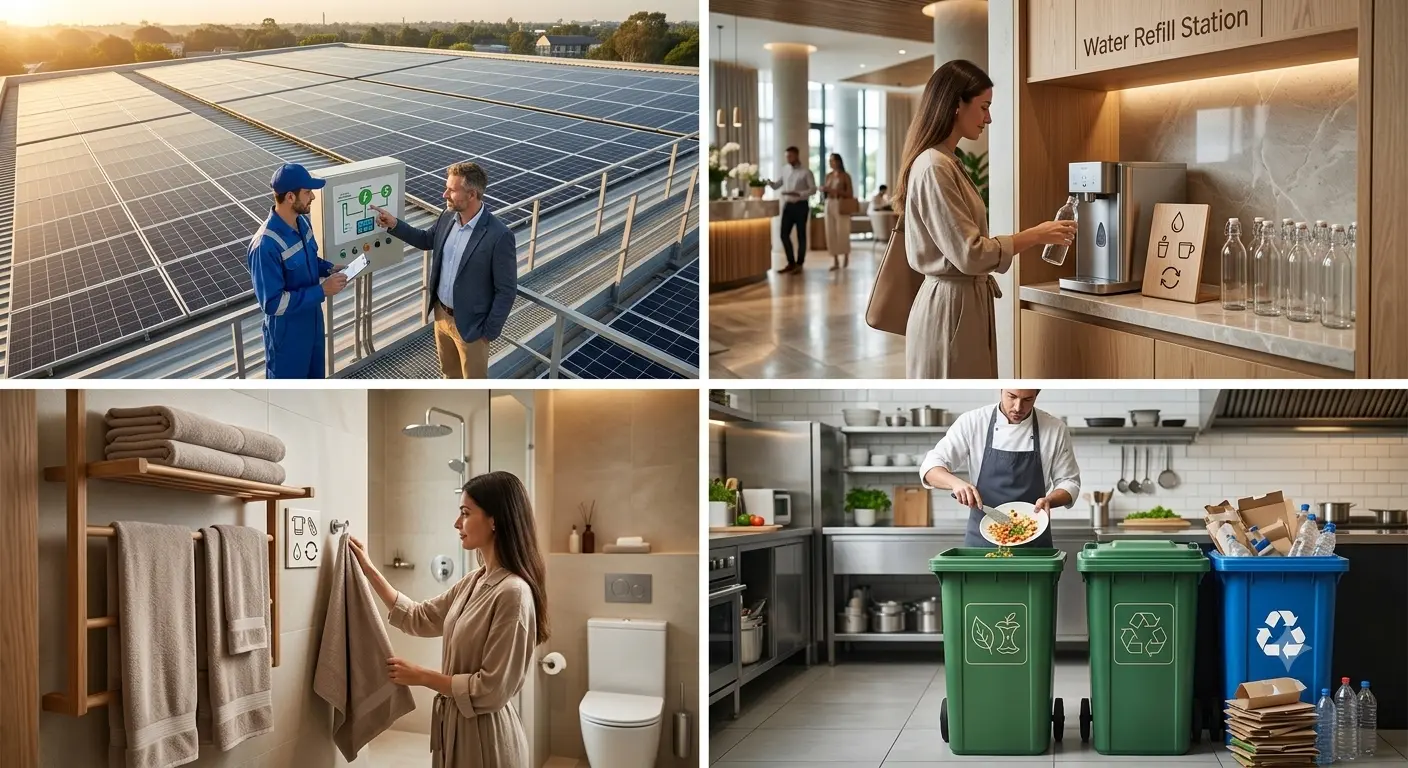
- Circular food and beverage practices: Albania’s strong agricultural base and traditional cuisine make circular F&B models highly relevant. Tourism businesses can reduce food waste through better planning, portion control, and reuse of organic waste, while increasing cooperation with local farmers. Seasonal and locally sourced menus strengthen rural economies and create more authentic tourism experiences. In rural guesthouses and agrotourism farms, “farm-to-table” models can directly connect tourism with local production systems, reducing transport emissions and packaging waste. More on the principle “Farm-to-Fork” in Module 3.

- Sustainable mobility solutions: In many Albanian tourist destinations, transport infrastructure is limited and public transport services are often unreliable. This creates problems, particularly during peak tourist seasons, through congestion, increased private car use, parking pressure, and environmental stress on sensitive ecosystems. To improve the situation for your guests, customers, and the environment, you can initiate solutions such as locally organised shuttle services, and shared transport between tourism operators. Promotion of walking and hiking routes, small-scale bicycle rental initiatives give your guests other options than driving.
- Guest awareness and behavioural change: Visitor behaviour plays a big role in sustainable tourism. Simple communication tools in hotels, guesthouses, and tour services—such as visual reminders, storytelling about local biodiversity, and guidance on water and waste use—can encourage tourists to act more responsibly. This is particularly important in areas near protected sites and coastal ecosystems, where small behavioural changes can significantly reduce cumulative environmental pressure.
Examples and Case Studies
- Best Practice: Hotel Luise
Hotel Luise is an eco-hotel which embeds sustainability and circular economy principles into every aspect of its operations. The property has developed a holistic approach to resource efficiency, aiming to reduce environmental impact while creating added value for guests, staff, and the local community. Among its many initiatives, two standout practices illustrate this philosophy particularly well: the reuse and recycling of obsolete hotel furnishings, and the redistribution of surplus food to staff to prevent waste and support well-being. Both measures demonstrate how operational processes can be reimagined to minimise waste, optimise resource use, and foster social responsibility. These low-cost, high-impact actions serve as tangible examples of how hospitality businesses can integrate circular principles into daily routines, setting a benchmark for sustainable tourism operations.
Case Study: ViaggieMiraggi:
Viaggi e Miraggi is an Italian social tourism agency that promotes a responsible and sustainable way of travelling. Its model is based on creating direct connections between travellers and local communities, ensuring that tourism activities generate positive social, cultural, and environmental impacts. The agency focuses on small-scale, authentic experiences that value local traditions, protect natural resources, and distribute economic benefits fairly among local actors. By encouraging collaboration with local communities and SMEs, this helps to move beyond mass tourism patterns and promote more conscious travel behaviours. The approach also supports the development of rural and nature-based destinations by strengthening local involvement and fostering a more balanced and sustainable tourism system.
Methodologies and Tools
Methodology – Business Model Canvas
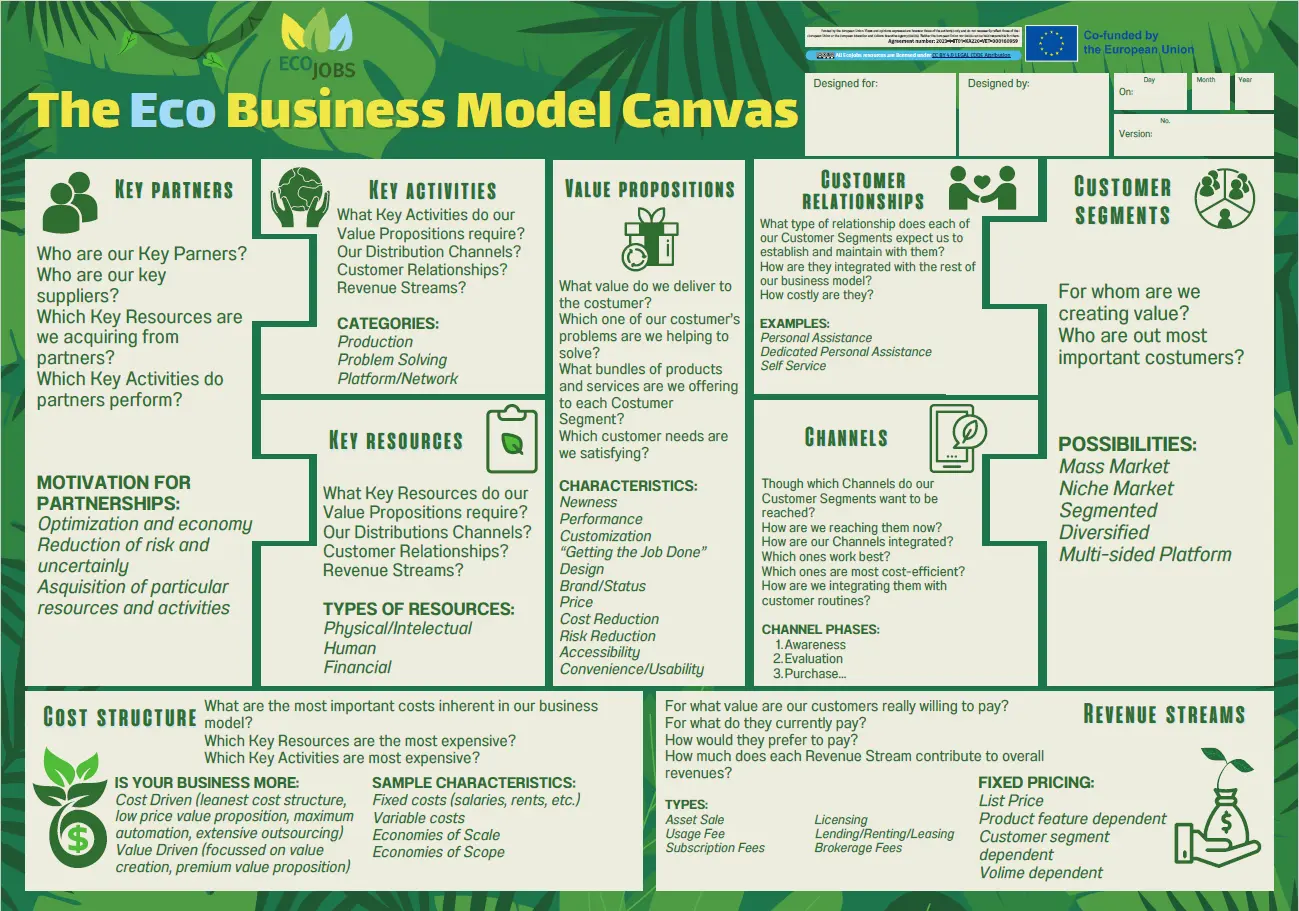
A Business Model Canvas (BMC) is a practical methodology, developed by Alexander Osterwalder and Yves Pigneur in 2005, to support the development of sustainable and circular tourism business models. It helps you to analyse how your business creates, delivers, and captures value while integrating sustainability and circular economy principles into business planning and decision-making. Using a visual and structured approach, you define key elements such as your customer segments, value propositions, key activities, partnerships, revenue streams, and cost structures. The methodology can help you to specifically address challenges such as seasonality, limited infrastructure, resource pressures, and the growing need for sustainable tourism services aligned with EU Green Agenda priorities.
There are plenty of explanations and break-downs available online. Here are some examples:
- https://www.atlassian.com/work-management/project-management/business-model-canvas
- https://www.projectwizards.net/en/blog/2019/09/business-model-canvas
- https://www.munich-startup.de/en/knowledge-hub/how-to-use-the-business-model-canvas-correctly
- https://www.boldare.com/blog/business-model-canvas/
Youtube video (automatic AL subtitles available):
Business Model Canvas - A Guide for Beginners
Tool – Eco Jobs Templates for Sustainable Tourism Business Planning
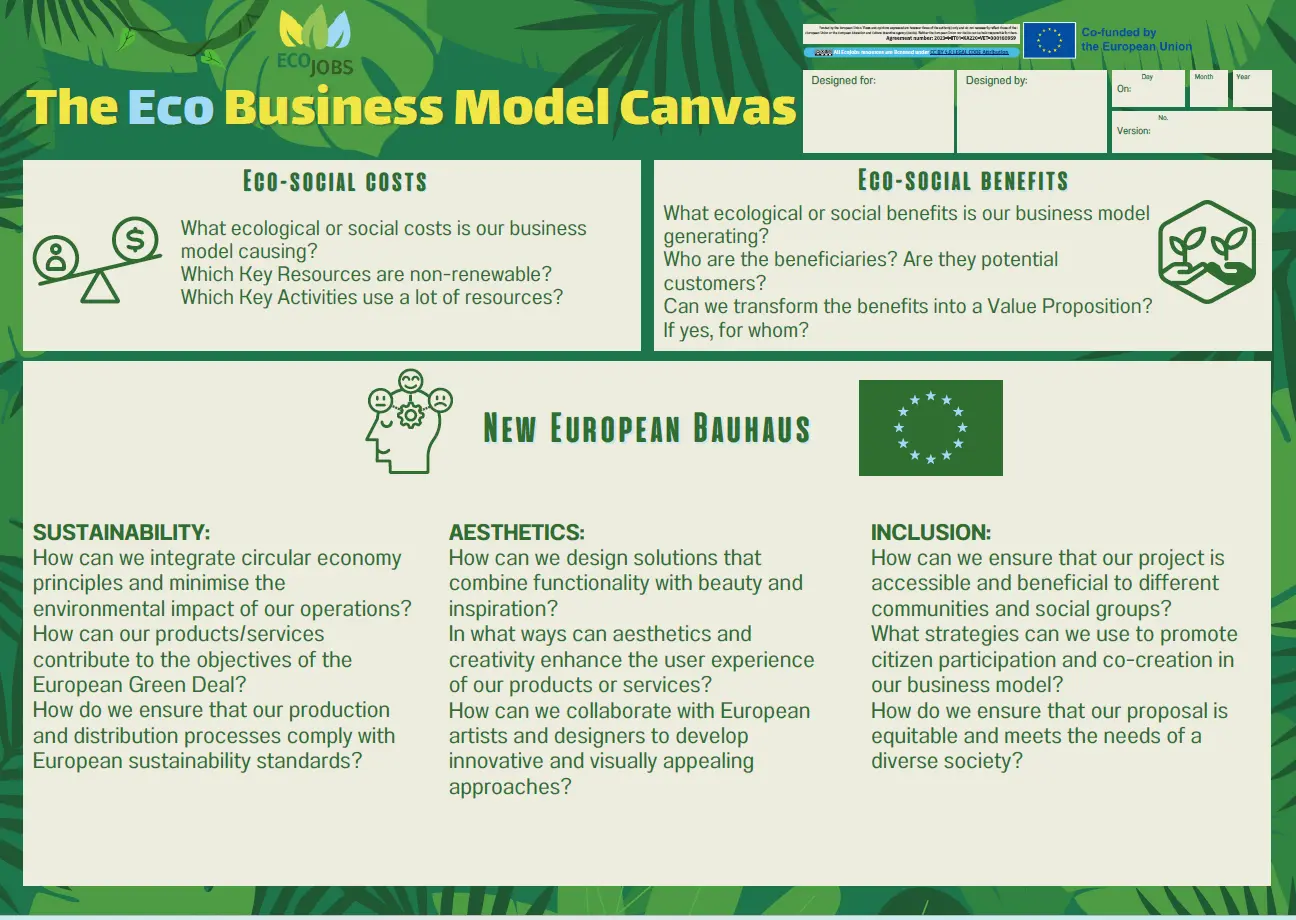
The Eco Jobs Project has enhanced the classic business model canvas with the New European Bauhaus concept: Thus, the templates not only reflect on business aspects such as USP and customer pain points but take into consideration aspects of sustainability, inclusion, aesthetics, and social costs that accompany a business idea.