The Brundtland Commission (World Commission on Environment and Development) defined sustainable development in its 1987 report Our Common Future as: "Development that meets the needs of the present without compromising the ability of future generations to meet their own needs." Sustainability is universally understood through three core dimensions (often called the "Triple Bottom Line" or the three pillars): Environmental, Social and Economic. Some frameworks include Culture as a 4th pillar.
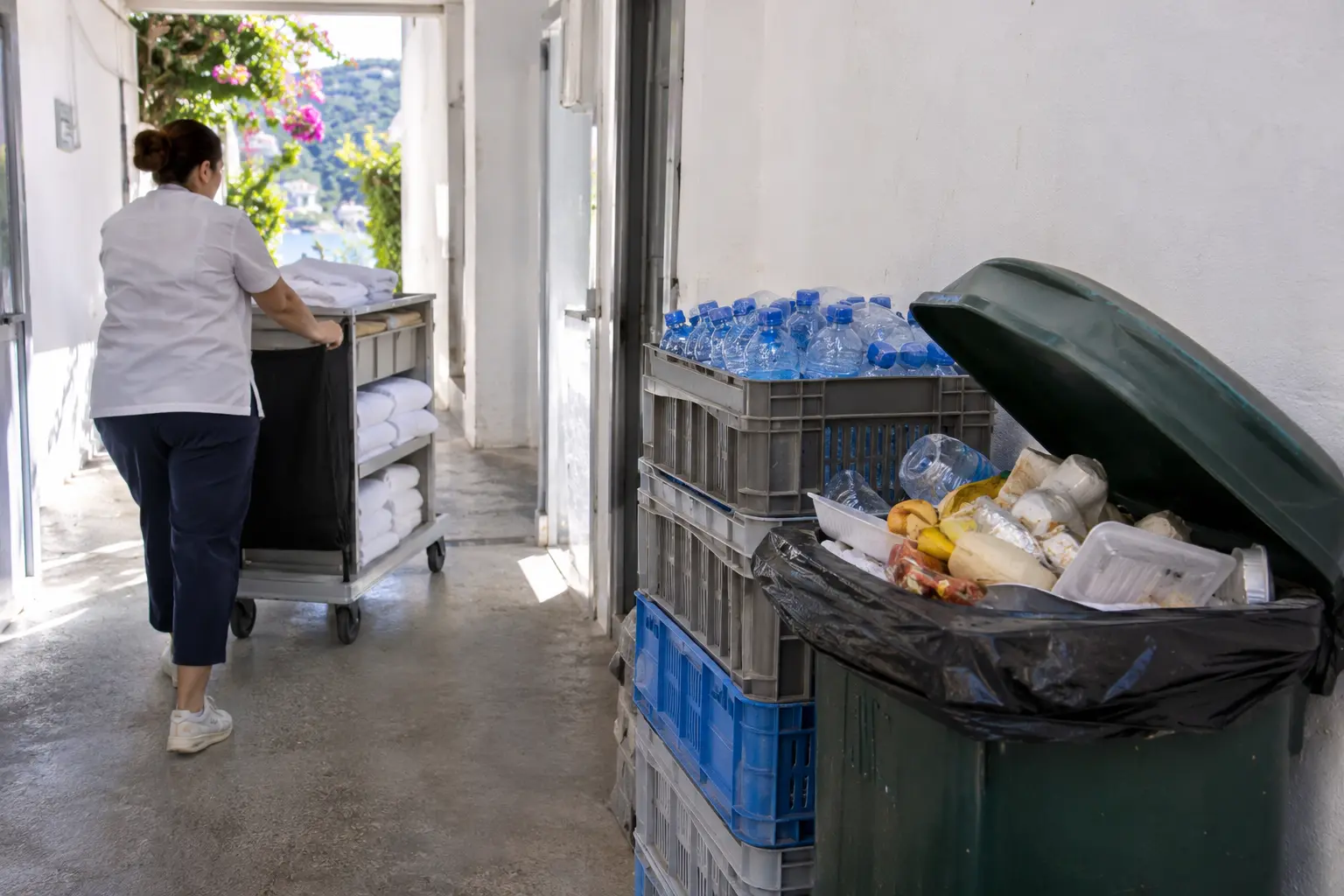
What happens to things after we use them? In tourism, large amounts of food, water, packaging and materials are used every day, and they require a lot of energy. In a linear model, resources are taken, used and thrown away. In a circular model, waste is prevented, material use is reduced as far as possible, and items are reused, repaired, recycled or upcycled so that they keep their value for longer.
This module introduces sustainability and circular economy concepts adapted to Albanian tourism context with a focus on SMEs and VET schools.
The module is written for VET educators, who will teach the content to learners, and for tourism SME owners and staff, who will apply it in their own operations. Each Core Section therefore includes a concept explanation, a case study from the Circular Tourism Best Practice collection and a method that can be used both in the classroom and in a business. A short quiz, a classroom-ready Detective Worksheet and a Circular Opportunity Assessment for SMEs complete the module.
Guiding questions:
- Where do tourism resources come from, and where do they go after use?
- How can circular practices reduce costs and protect Albania’s natural assets?
- Who is responsible for making tourism more sustainable?
Core Section A: What Happens After We Use Things? Biological and Technical Cycles
Concept Explanation
Sustainability is at the heart of today’s challenges, as the world faces growing pressure from climate change, biodiversity loss and pollution. Sustainable practices, in tourism as in other sectors, aim to reduce negative impacts on the environment and on communities while keeping businesses financially viable. In simple terms, the world needs to protect what it depends on (a healthy environment, clean water and nutritious food) while still generating the income that local communities need. Tourism can only develop in the long term if professionals shift to sustainable practices that keep the destination attractive.
Every product used in tourism (food ingredients, towels, furniture, packaging, cleaning products, or plastic bottles) comes from natural resources such as water, minerals, forests, soil, and energy. In a traditional linear economy, these resources are extracted, transformed into products, used for a short period, and then discarded as waste. This model is often summarised as “take – make – dispose.”
Tourism activities can generate significant waste because hotels, restaurants, and tourism services consume large volumes of materials every day. For example, food waste from restaurants, packaging from deliveries, disposable amenities in hotel rooms, or broken equipment all contribute to waste streams. When these materials are not properly managed, they are often sent to landfill or incineration, causing pollution and increasing operational costs. Additionally, tourism puts considerable pressure on local systems through increased drinking water and energy consumption, waste water generation and greenhouse gas generation.
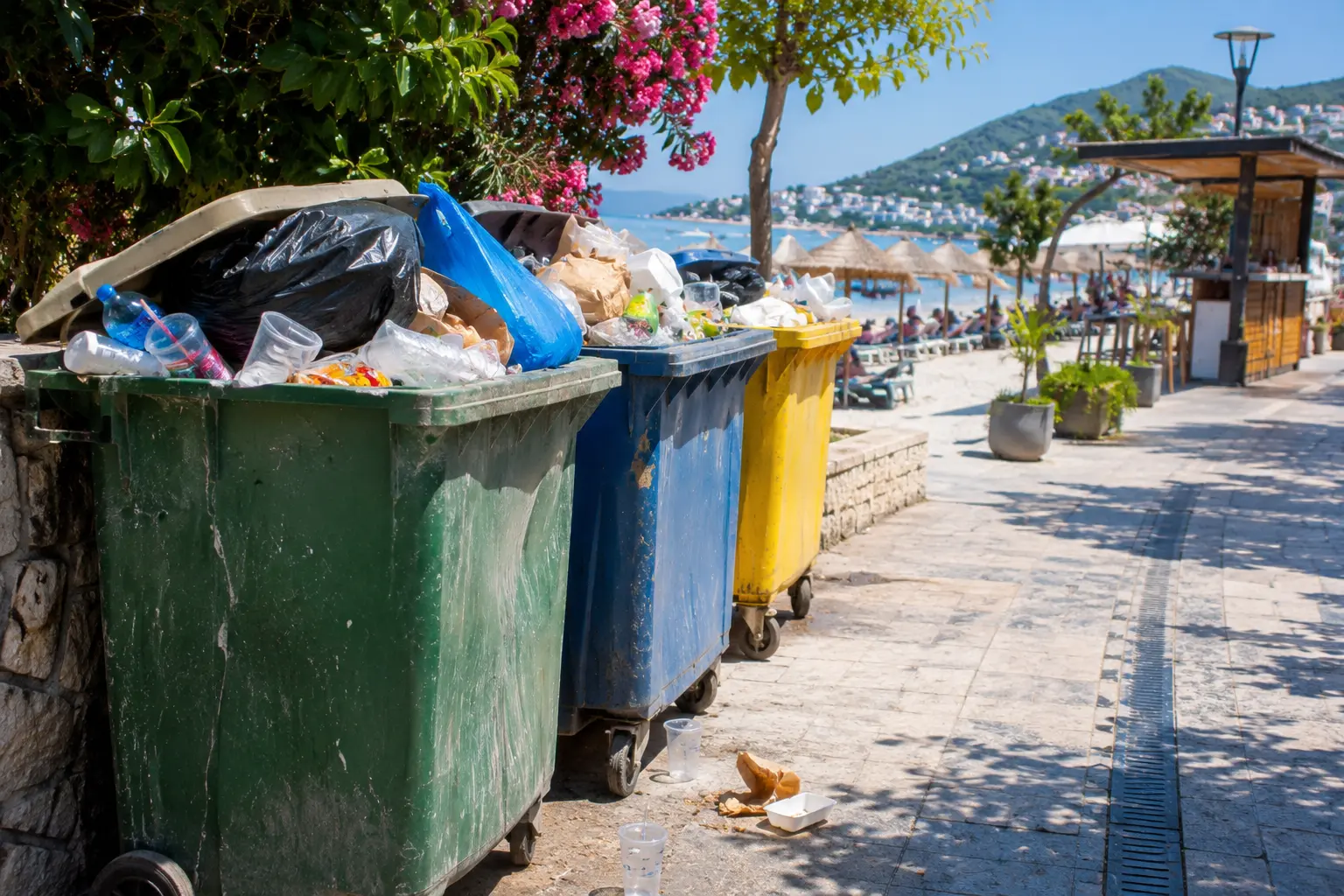
Albanian context: According to INSTAT (Urban Solid Waste 2025), Albanian municipalities managed about 900,800 tonnes of urban waste, equal to 383 kg per inhabitant. About 77 % was disposed of in landfills and only about 18 % was recycled. In tourist destinations the pressure is higher in the peak season, so businesses that reduce and separate waste at source can lower their disposal costs and protect the landscapes their guests come to see.
Circular tourism sits within a broader European policy shift that places resource efficiency, waste reduction, and regenerative economic models at the heart of development. Through the EU Circular Economy Action Plan, part of the European Green Deal, the European Union has established circularity as a key priority across sectors, including tourism. This framework promotes designing out waste, keeping materials in use for as long as possible, and regenerating natural systems, while encouraging businesses to rethink value chains, reduce overconsumption, and minimise environmental footprints. For the tourism industry, this translates into a shift from linear, extractive models towards systems that prioritise local sourcing, resource efficiency, waste prevention, and the restoration of ecosystems while strengthening local communities.
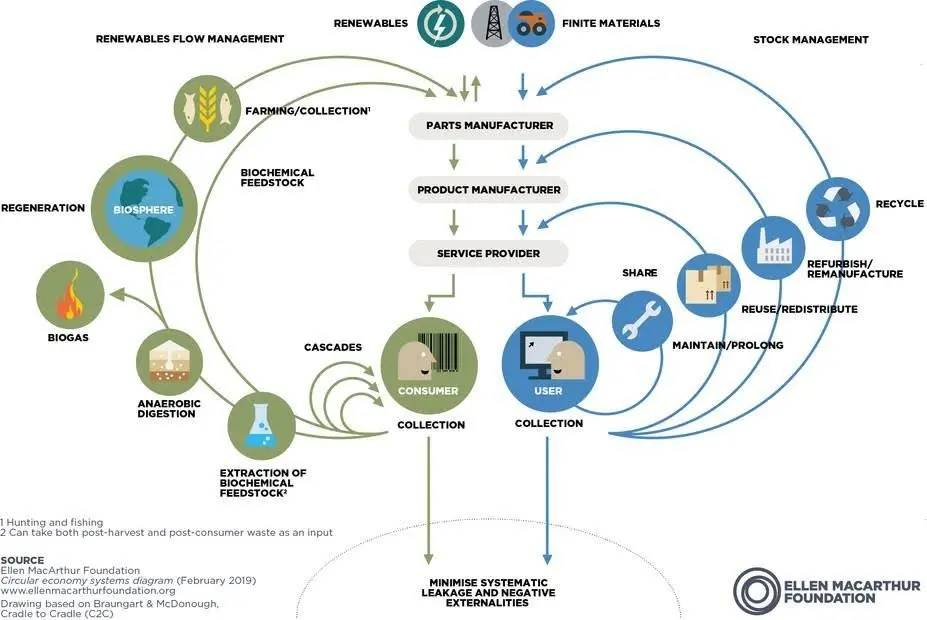
The circular economy proposes a different approach. Instead of treating materials as disposable, it aims to design systems where products, components, and materials remain in use for as long as possible while natural systems are regenerated. This approach is based on three main principles: eliminate waste and pollution by design; keep products and materials in use; regenerate natural systems. A key concept in the circular economy is the distinction between two types of material cycles: biological and technical. These two cycles are often illustrated through the well-known “butterfly diagram” developed by the Ellen MacArthur Foundation.
Biological Materials
Biological materials come from living systems and can safely return to nature after use. These include food waste, natural fibres (cotton, linen), wood, paper, and other biodegradable products. When managed correctly, these materials can re-enter natural cycles through processes such as: composting, anaerobic digestion and soil regeneration.
In these systems, nutrients from organic waste return to the soil and support future agricultural production. For example, food scraps from a restaurant can be composted and later used as fertiliser for local farms. This process helps regenerate natural systems and reduces the need for chemical fertilisers.
In tourism, biological cycles are particularly relevant for: food waste management in restaurants and hotels; composting systems for organic waste; and the use of natural materials in furniture and textiles. Returning nutrients to the soil is important because organic waste that ends up in landfills produces methane, a powerful greenhouse gas.
Technical Materials
Technical materials are different. These include metals, plastics, synthetic fabrics, glass, electronics, and other materials that cannot safely return to nature. Instead, they must remain in circulation within the economy. In a circular system, technical materials are kept in use through strategies such as:
- Reuse (using the product again without major transformation)
- Repair (fixing broken equipment instead of replacing it)
- Refurbishment or remanufacturing (restoring products to extend their lifespan)
- Recycling and Upcycling (recovering raw materials to produce new products)
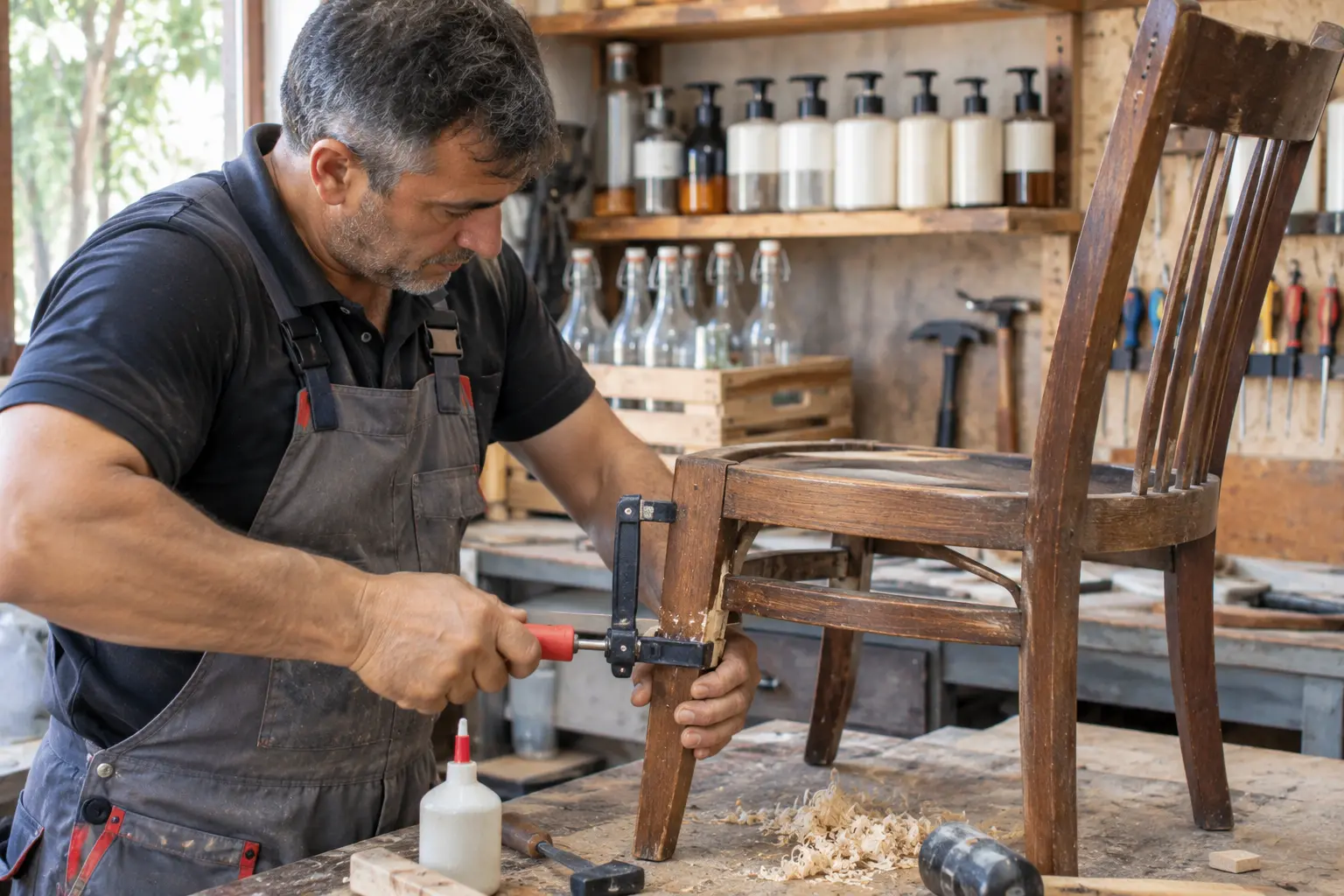
Keeping materials in circulation preserves the value of the resources, energy, and labour embedded in products. According to circular economy research, strategies such as reuse and repair often preserve more value than recycling, because recycling requires additional energy and processing. In tourism businesses, there are many simple examples of technical cycles:
Refillable dispensers instead of single-use toiletries, repairing furniture instead of replacing it or using vintage furniture, reusing glass bottles through supplier return systems, recycling or reusing packaging materials.
Why Material Separation Matters
For circular systems to work, materials must be properly separated and managed. When biological and technical materials are mixed, they often become difficult or impossible to recover. For example, food waste mixed with plastic packaging cannot be easily composted, and contaminated recycling streams often end up in landfill. This challenge is particularly relevant in tourism destinations where waste is generated rapidly during peak seasons.
In Albania, waste management remains a major challenge. The Mapping of Key Challenges report carried out in the context of the project highlights that hotels, restaurants, and tourism facilities often mix different waste streams. This reduces recycling opportunities and increases disposal costs. Poor separation also contributes to environmental pollution and inefficient resource use.
Improving waste separation is therefore a key step toward meeting the GSTC Industry Criteria, particularly D2 (Pollution Reduction) and D2.4 (solid waste management).
Case Study: Eco-Camping “Le Rêve” (Le Vigan, France)
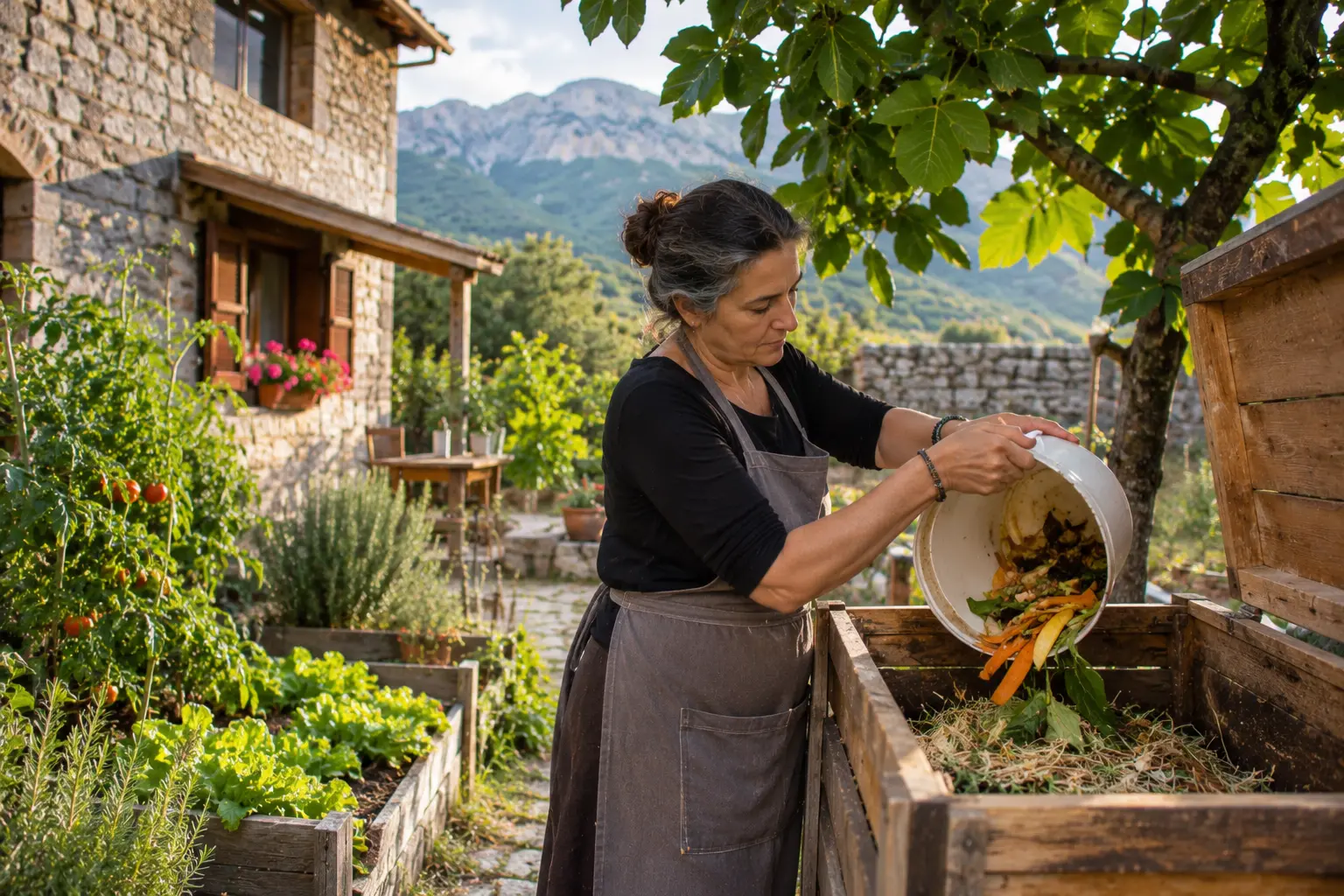
Eco-Camping “Le Rêve” is a campsite that has applied circular principles since 1998. Kitchen and garden waste is composted on site and the compost is returned to the kitchen garden (biological cycle). The campsite buys in bulk from local producers, has eliminated single-use items such as individual bottles, and recovers rainwater (technical and biological materials are managed separately). The campsite reports about 50 % less final residual waste and roughly 37 % water savings and 8 % electricity savings, and it publishes these results for its guests.
Transfer to Albania: A guesthouse or agritourism farm with a garden can start with the same two low-cost steps: separate kitchen scraps for a small compost bin and buy staple products in bulk from a local producer. Discussion question: which of these measures could your business or school start within one month, and what would you need (space, containers, a supplier)?
Benefits of Circular Thinking for Tourism SMEs
Adopting circular practices provides several advantages for tourism businesses:
1. Cost Reduction
Reducing waste and improving resource efficiency can lower purchasing costs and waste disposal fees.
2. Market Competitiveness
International tourists increasingly expect sustainable practices in tourism but more importantly they are expecting a clean destination where waste and resources are well managed.
3. Regulatory Alignment
Circular practices support compliance with sustainability management systems and international standards such as GSTC A1.
4. Environmental Protection
Reducing waste helps protect natural resources and environments such as coastlines, rivers, forests, and landscapes that tourism depends on.
By understanding the difference between biological and technical cycles, tourism professionals can begin to identify which materials should return to nature and which should remain in circulation. This simple distinction provides a practical starting point for implementing circular practices in hotels, restaurants, and tourism destinations.
Circular Practices, ESG and GSTC
ESG stands for Environmental, Social and Governance. Banks, international tour operators and large hotel groups increasingly ask their suppliers and partners for ESG information. EU sustainability reporting rules apply directly only to large companies, but their requirements can reach SMEs through supplier questionnaires and financing conditions. The GSTC criteria already used in this course provide a practical way to organise ESG information, as the table shows.
| ESG area | Circular practice in a tourism SME | GSTC criteria in this module | Example indicator |
| Environmental | Waste separation, composting, reuse, resource efficiency | D1 (resource conservation), D2 (pollution reduction), D2.4 (solid waste) | Kg of waste per guest-night; share of waste separated |
| Social | Staff training, local employment, VET internships, community partnerships | A4 (staff training), B1 (community support), B2 (local employment) | Hours of staff training; number of local suppliers and interns |
| Governance | Documented sustainability plan with owners, dates and regular reporting | A1 (management system), A3 (reporting and communication) | Written action plan; annual review completed |
Methodologies
While the overall concept of the circular economy is relatively straightforward, its practical application requires efforts in many different areas as will be demonstrated throughout this course. Various different methods and tools exist to put circular principles in practice, depending on the context and specific area of application.
For this first module we are focusing on some introductory reflections on where waste comes from and what happens to it.
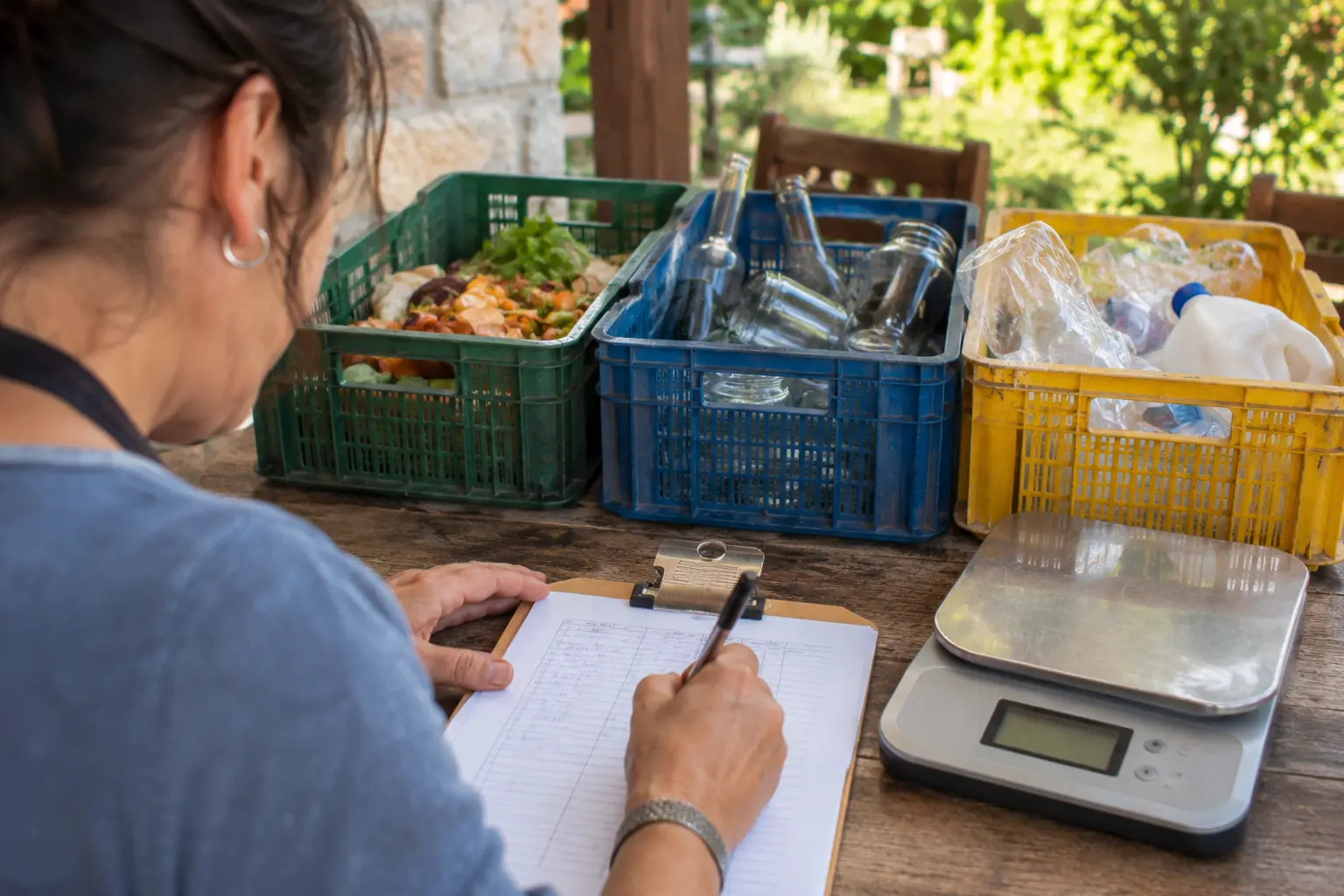
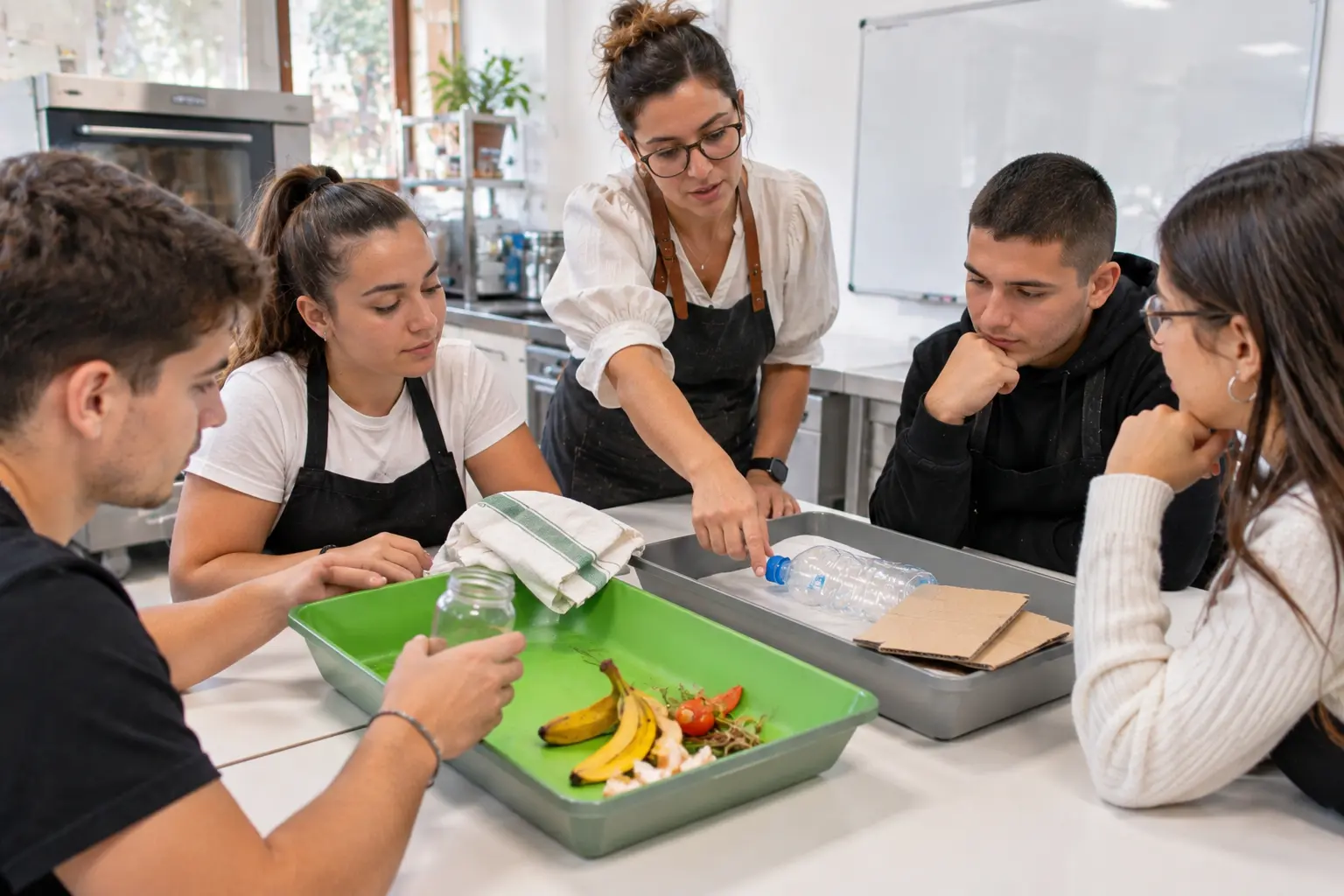
A simple way to get started is to simply reflect on all waste streams produced in your tourism business or school and list them in a sheet of paper and sort them by type to gain an awareness about the different kinds of waste that are generated. Looking at how the waste can be classified into biological vs technical sorting can support the reflection. A further step would be to classify which waste could maybe be recycled, reused or composted etc. but currently isn’t.
Additionally, a simple comparison of the investment in and cost of reusable versus disposable items can already result in an understanding of the long-term financial and environmental benefits of reuse.
A completed example of this exercise (Circular Opportunity Assessment for a small guesthouse) is included in the document “Specific Activities for SME”. VET educators can use it as a model answer when learners carry out the Detective Worksheet.
Worked example: reusable versus disposable (illustrative figures)
A guesthouse has 12 rooms, is open 180 days and has an average occupancy of 70 %. This gives 12 × 180 × 0.70 = 1,512 occupied room-nights per season. The owner compares single-use toiletry miniatures (€0.35 per room-night) with refillable dispensers (36 dispensers at €4 each = €144 one-off investment; refill soap €0.12 per room-night).
| Single-use miniatures | Refillable dispensers | |
| Cost per season | 1,512 × €0.35 = €529 | 1,512 × €0.12 = €181 |
| One-off investment | €0 | €144 |
| Saving per season | — | €529 − €181 = €348 |
| Payback period | — | €144 ÷ €348 = 0.41 of a season, about 75 days of operation |
Assumptions and limits: the prices are illustrative and should be replaced by the business’s own purchase prices. The saving is an estimate that is valid only if occupancy and prices stay comparable. Staff time for refilling and cleaning the dispensers should be subtracted from the saving if it is significant. More detailed cost–benefit methods are developed in Modules 5 and 6.
Tools
Most specialist waste monitoring systems are not free. They combine paid software with sensors, cameras or smart bins. If a business or school wants to invest in professional waste monitoring it is recommended to study different options in detail in order to find the one that best suits their needs and the context they operate in.
Free and simple alternatives are enough for a first assessment: (1) a paper waste log; (2) a spreadsheet (Excel or Google Sheets) with the columns date, waste stream, biological or technical, weight in kg and estimated cost; (3) the free food-waste resources presented in Module 3. Detailed waste-tracking sheets are provided in Module 4, and energy, water and carbon footprint calculators in Module 5.
Core Section B: Linear vs Circular Models in Tourism
Concept Explanation
Economic systems determine how resources are extracted, used, and managed after consumption. For most of the twentieth century, economies have largely operated according to a linear model, often summarised as “Take → Make → Use → Dispose.”
In this model, natural resources are extracted, transformed into products, used for a relatively short time, and then discarded as waste. The system assumes that resources are abundant and that the environment can absorb large quantities of waste. However, growing resource scarcity, environmental degradation, and climate change have demonstrated the limitations of this model.
Tourism activities often follow this linear pattern. Hotels, restaurants, and tourism services consume large amounts of energy, water, food, and materials every day. Many of these resources are used once and then discarded, putting considerable pressure on popular tourist destinations. Examples exist as disposable packaging, single-use amenities, food waste from buffets, or bottled water purchased in large quantities. When multiplied across entire destinations, these practices can lead to high waste generation, increased operational costs, and environmental pressure on local ecosystems.
Research on circular economy transitions highlights that the tourism sector is particularly resource-intensive and generates significant waste streams, especially related to food, packaging, and energy consumption (Girard & Nocca, 2017; Ellen MacArthur Foundation, 2019). As tourism grows globally, the need to rethink how resources are used within the sector becomes increasingly important.
The circular economy proposes an alternative model that aims to maintain the value of products, materials, and resources for as long as possible while minimising waste generation. Instead of the linear sequence “take–make–dispose,” circular systems prioritise strategies such as: Reduce → Reuse → Repair → Recycle → Regenerate
These strategies aim to slow down resource consumption, extend the lifespan of products, and return biological materials to natural systems where possible. In practice, circular approaches encourage businesses to rethink procurement, product design, service delivery, and waste management.
In tourism businesses, circular practices can be implemented through relatively simple operational changes. For example, reducing unnecessary packaging, repairing equipment rather than replacing it, or sourcing local seasonal food products can significantly reduce environmental impact while also lowering costs.
The difference between a linear tourism business and a circular tourism business can be illustrated through everyday operational decisions.
In a linear hotel, management may rely heavily on imported bottled water for guests, dispose of food waste without separation, and replace damaged equipment instead of repairing it. These practices increase purchasing costs, generate unnecessary waste, and create dependence on external suppliers.
In contrast, a circular hotel might install water filtration systems to reduce bottled water consumption, compost organic food waste or collaborate with local farmers, and prioritise durable products that can be repaired or reused. At the same time, the hotel may choose to source food and other supplies locally whenever possible, reducing transport emissions and supporting nearby producers and local businesses.
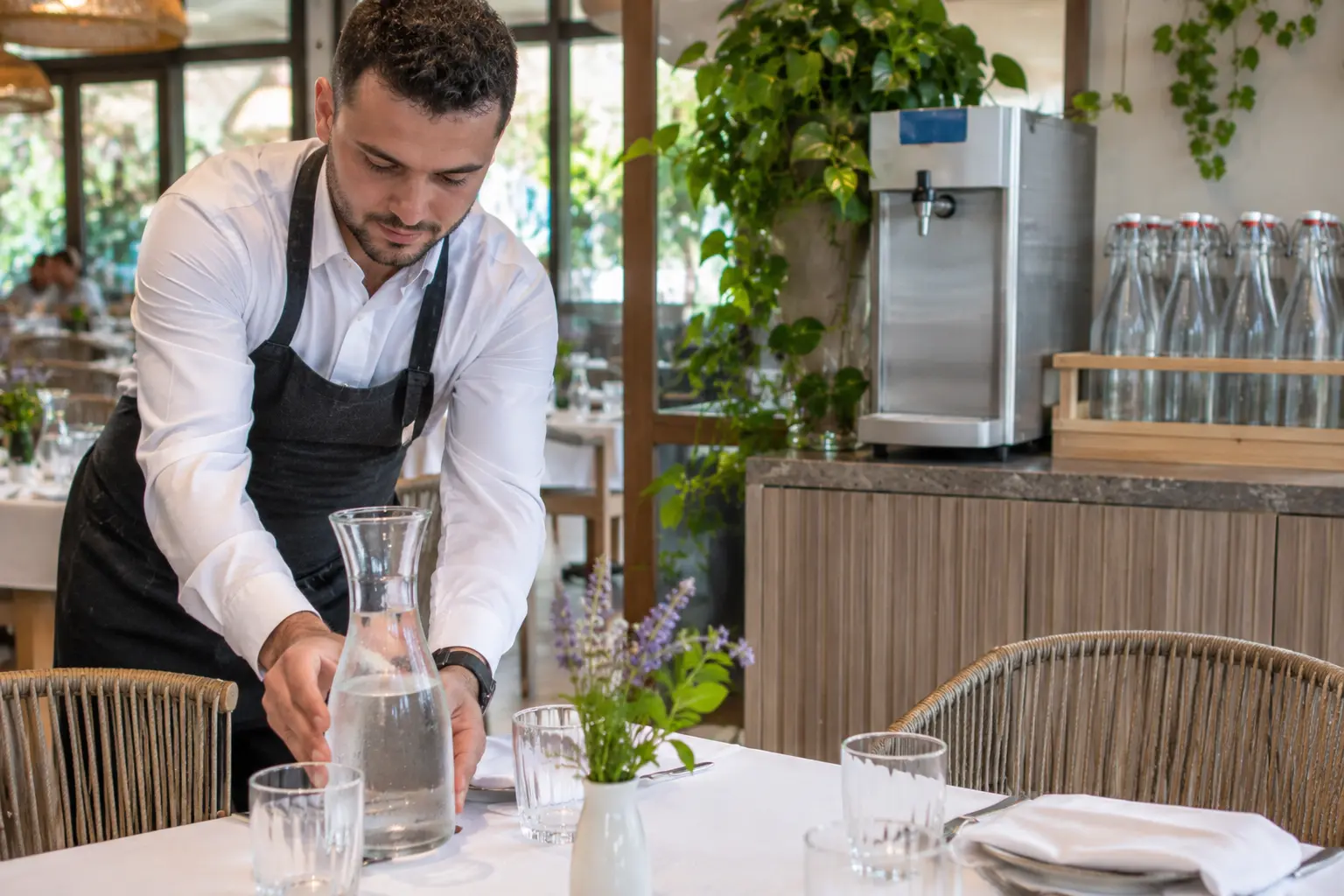
These types of practices contribute directly to several sustainability objectives. Circular systems support resource conservation, which aligns with GSTC Criterion D1, and improve solid waste reduction and management, corresponding to GSTC Criterion D2.4.
Beyond environmental benefits, circular approaches also create economic advantages for tourism destinations. By prioritising local supply chains and reducing reliance on imported goods, tourism businesses can retain a greater share of economic value within the local economy, support local employment and strengthen community resilience. This is particularly relevant in destinations where tourism revenue can otherwise leak out through imported products and services.
For Albania, adopting circular tourism practices can bring several important benefits. The country’s tourism sector depends heavily on the quality of its natural landscapes, including coastal ecosystems, mountain regions, rivers, and rural agricultural areas. Reducing pollution and waste helps protect these natural assets, which are central to the visitor experience.
At the same time, circular strategies can help reduce dependence on imported goods by encouraging local sourcing of food, materials, and services. This strengthens connections between tourism businesses and local producers such as farmers, fishermen, and artisans. It also supports the cultivation of local food varieties, cultural traditions and traditional craftmanship. As a result, more tourism revenue remains within local communities, supporting employment and small-scale entrepreneurship. This objective is closely aligned with GSTC Criterion B2, which promotes local economic participation and employment.
In this way, shifting from a linear to a circular model does not only address environmental challenges. It also contributes to more resilient local economies, stronger supply chains, and more sustainable tourism development. For tourism professionals, educators and students, understanding the differences between these two models provides a foundation for identifying practical actions that can reduce waste, lower costs, and improve sustainability performance.
Case Study: Koncept Hotels (Germany)
Koncept Hotels set a target to reduce water consumption by 20 % in 2024. Measures include shower flow restrictors, which can cut shower water use by up to 50 % without reducing guest comfort, bed linen with a cotton and synthetic blend that reduces washing water by up to 60 %, and rainwater cisterns for toilet flushing and garden irrigation at the Tübingen hotel. The case shows how a hotel moves away from the linear “use and discard” pattern in small, low-cost steps. Technical details on water and energy measures are covered in Module 5.
Transfer to Albania: Flow restrictors and rainwater collection for irrigation are low-cost measures that guesthouses and restaurants can test first in the area of highest water use (showers, laundry, garden). Discussion question: where does your business use most water, and which measure would pay back fastest?
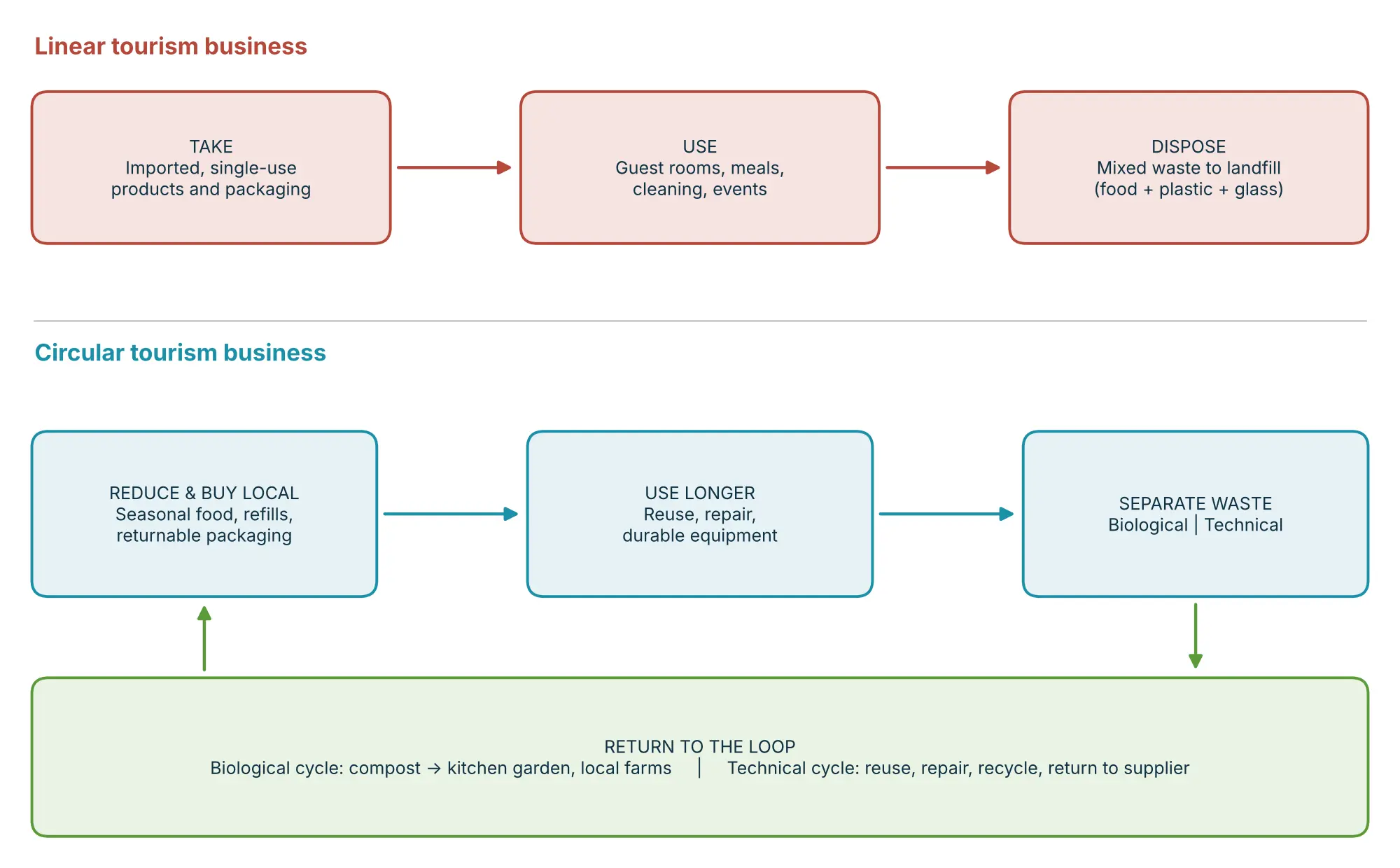
Figure 1. From a linear to a circular tourism business: the same hotel or restaurant before and after applying circular principles.
How to read the figure: in the linear business (top row) resources are bought, used once and discarded as mixed waste. In the circular business (bottom rows) the business first reduces and buys locally, uses items for longer, and separates its waste so that biological materials return to the soil through composting and technical materials return to use through reuse, repair and recycling.
Core Section C: The Circular Tourism Ecosystem – Who Does What?
Concept Explanation
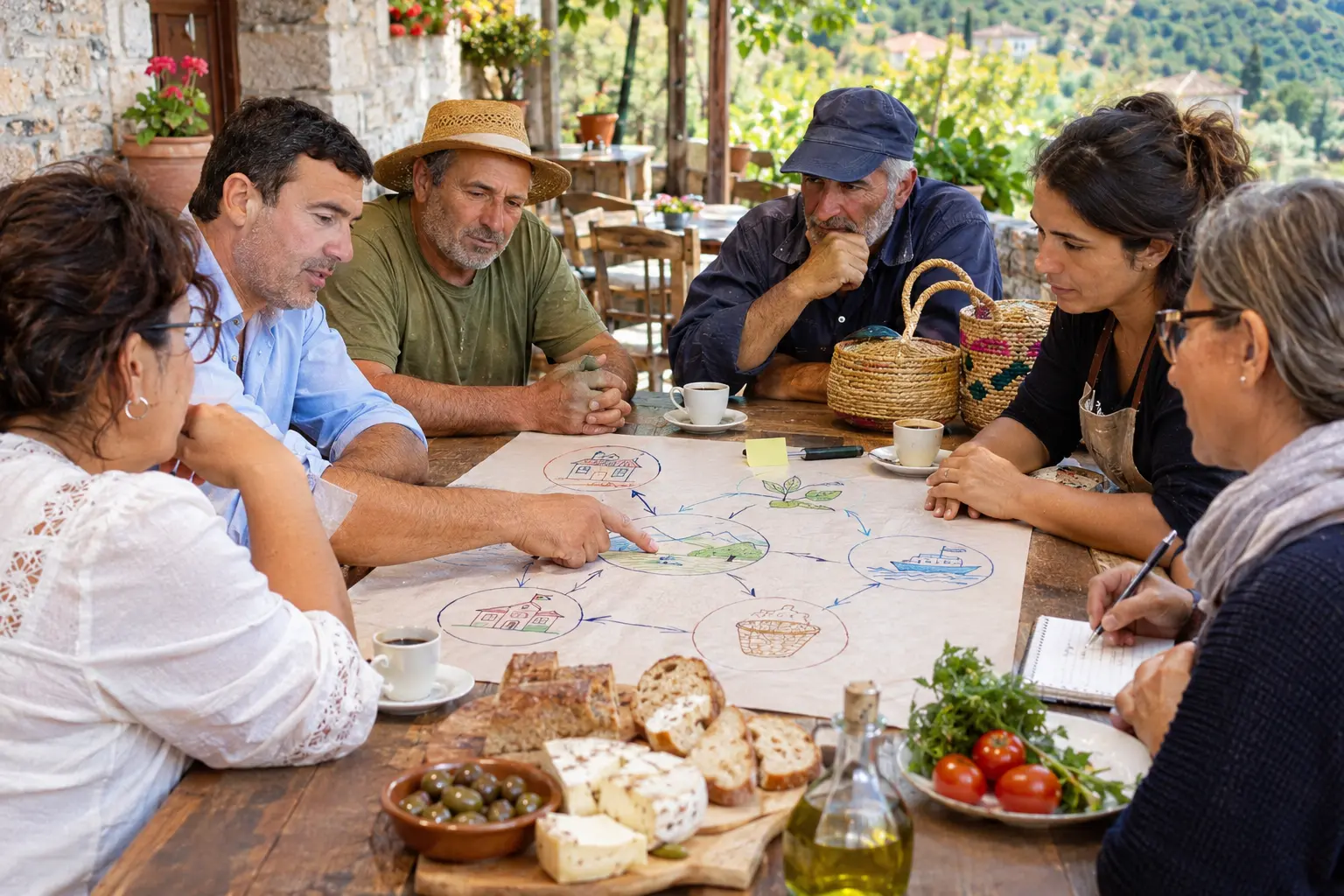
Circular tourism is not just about reducing waste or sourcing locally—it requires collaboration across the entire tourism ecosystem. No single actor can create a fully circular system alone. Instead, multiple stakeholders must work together, sharing responsibilities and aligning practices to ensure resources are used efficiently and sustainably. Below is an overview of the key actors and their roles:
1. Students & Workers
VET learners, hospitality staff, and tourism professionals are at the frontline of implementing circular practices. They can apply new skills in energy, water, and waste management, experiment with innovative solutions, and monitor resource use. Engaging staff continuously and providing training opportunities increases adoption of sustainability initiatives (GSTC Criterion A4 - Staff training and engagement).
2. Tourism SMEs (Hotels, Restaurants, Tour Operators)
SMEs are responsible for operationalising circular practices, such as implementing waste separation systems, adopting local sourcing, and maintaining durable equipment. Their practices directly influence the sustainability of supply chains and customer experience (GSTC Criterion A1 - Sustainability management systems addressing environmental and economic issues).
3. VET Schools and Training Institutions
Their role is to integrate circular tourism principles into curricula and their own operations. Provide students with hands-on experiences, such as reporting on energy and water consumption, setting up vegetable gardens, composting or designing seasonal menus. Schools serve as a testing ground for innovative sustainability strategies that SMEs can adopt.
4. Local Authorities and DMOs
Local Authorities and Destination Management Organisations (DMOs) play a central role in enabling circular tourism by shaping both the regulatory environment and the strategic vision of a destination. Local Authorities provide essential infrastructure, regulations, and incentives that support circular practices. DMOs complement this by coordinating stakeholders, promoting sustainable tourism strategies, and integrating circular principles into destination planning, branding, and visitor management.
Together, they ensure alignment across the tourism ecosystem, foster collaboration between public and private actors, and drive systemic change at the destination level. In some countries the focus of DMOs is still more the one of marketing and promotion rather than destination management. However, shifting to coordinating the destination rather than solely promoting it is essential in order to support sustainable tourism development. (GSTC Criterion A10 – Destination engagement and participation in sustainable tourism planning).
5. Suppliers and Service Providers
They can offer products and services that are reusable, recyclable, or environmentally friendly, such as refillable packaging, local seasonal food, energy-efficient appliances, and certified sustainable products. Suppliers’ sustainability practices are critical for enabling circular supply chains.
6. Tourists and Visitors
They are the end-users of tourism services. Their role is to adopt a responsible behaviour, such as separating waste, choosing local products, and respecting sustainability initiatives, which amplifies the impact of circular tourism. Tourists act as both consumers and ambassadors of sustainable practices. Therefore it is important to ensure that tourists are adequately informed about sustainability in a destination and opportunities about how they can contribute to making their stay more sustainable.
Why Collaboration Matters
Circular tourism is systemic. Isolated actions, such as a hotel trying to reduce food waste without local suppliers to source surplus or composting facilities, have limited impact. Research shows that destination-level collaboration is essential for achieving measurable sustainability outcomes in tourism (Gössling et al., 2021; UNEP, 2020).
A well-connected ecosystem ensures that:
- Waste streams are correctly managed across businesses and municipalities.
- Circular supply chains are viable and reliable.
- Skills and knowledge from VET schools and staff are applied effectively in real operations.
- Economic benefits remain within local communities, strengthening regional development (GSTC B1).
Practical Implications for Albanian Tourism
Hotels, restaurants, and tour operators can form local clusters with farmers, fishermen, and artisans to ensure short supply chains. VET schools and training centres can provide interns and apprentices who help SMEs implement and monitor circular practices. Local authorities and DMOs can coordinate destination-wide initiatives, such as recycling campaigns or sustainability certifications. Tourists can be engaged through awareness campaigns, coordinated actions that allow them to participate or incentives, reinforcing positive behaviour.
Circular tourism is a shared responsibility where all stakeholders can contribute to reducing resource consumption, minimising environmental impact, and increasing economic and social value within the destination. Approaching the ecosystem in this way is the most efficient way to transform individual sustainability efforts into a coherent, scalable, and resilient circular tourism model.
Case Study: Roubaix Zéro Déchet – “Commerçants Zéro Déchet” (Roubaix, France)
Since 2015, the city of Roubaix has run a label for local shops, cafés, restaurants and other businesses. Participating businesses commit to a progressive checklist (for example, twelve commitments for restaurants), including limiting packaging when buying, using returnable and reusable items, limiting food waste, sorting waste and setting up a system to recycle organic waste. The label combines technical support, awareness-raising and peer learning, and makes waste reduction visible to customers. It shows how the municipality, businesses and customers can share responsibility for circular practices.
Transfer to Albania: A municipality, a chamber of commerce or a VET school could start a similar voluntary checklist for hotels and restaurants in one tourist town, beginning with three commitments (for example, no single-use plastic for on-site service, separated food waste and a visible sustainability message for guests). Discussion question: which stakeholder in your destination could coordinate such an initiative?
Examples
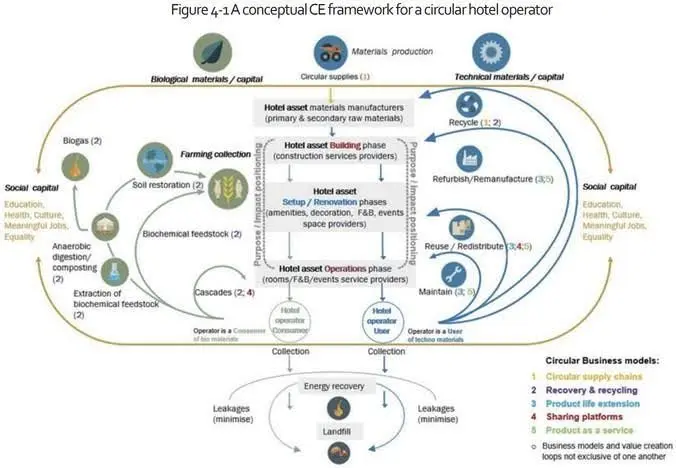
Figure 2. Conceptual framework for a circular hotel operator (detailed view of material and value flows).
How to read the figures
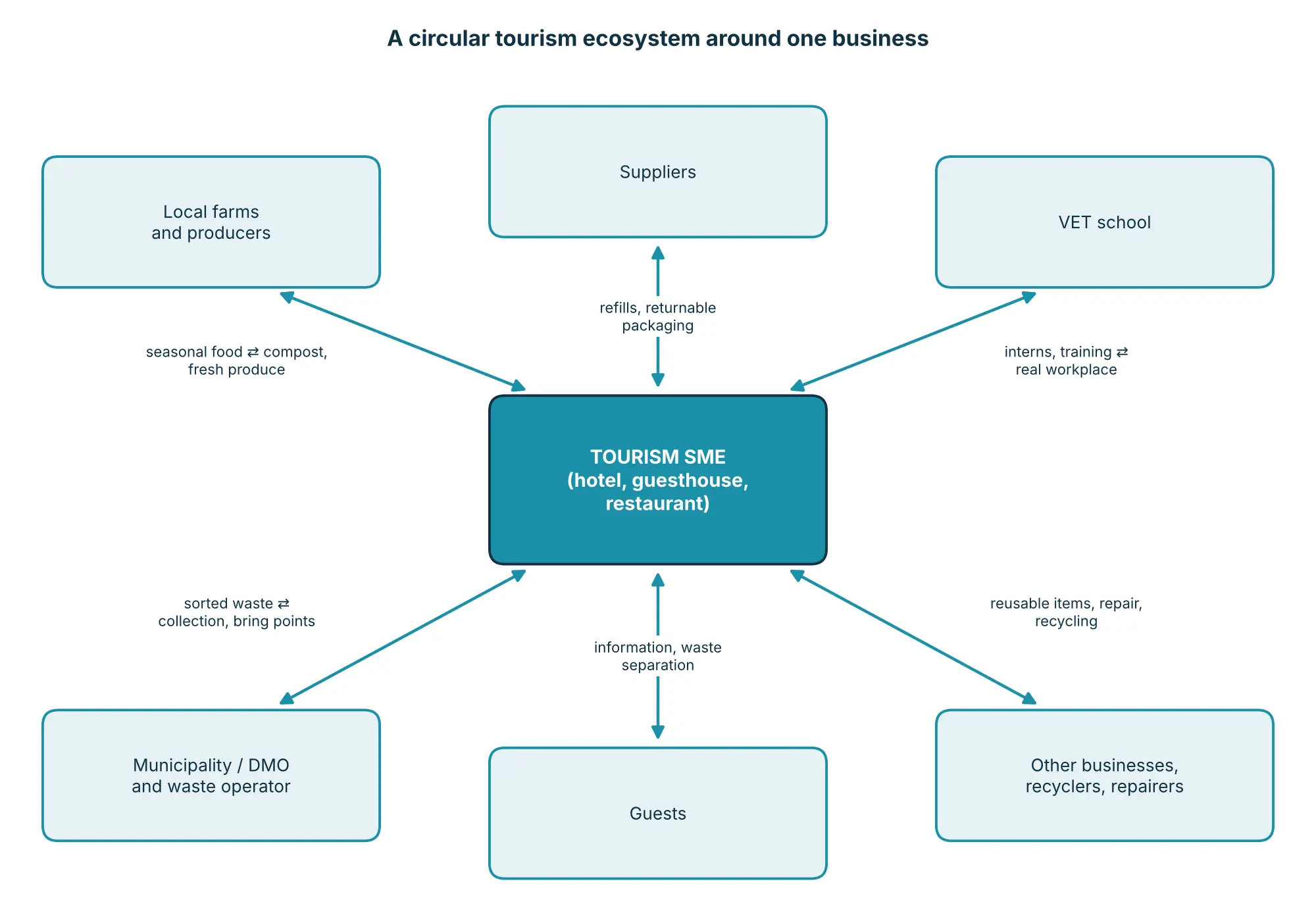
Figure 3. A circular tourism ecosystem around one business (simplified model).
The tourism SME (a hotel, guesthouse or restaurant) is at the centre. Local farms supply seasonal food and can receive compost in return; suppliers deliver refills and returnable packaging; the VET school provides interns and training and uses the business as a real workplace; the municipality or destination management organisation and the waste operator provide collection and bring points for sorted waste; guests receive information and separate their waste; and other businesses, recyclers and repairers keep technical materials in use. Each arrow is a relationship that can be built through the stakeholder mapping and partnership planning methods described below. The more detailed framework in Figure 2 illustrates the same idea in more detail for a circular hotel operator.
Methodologies and Tools
A simple way to start a reflection on the linear versus the circular model would be to list which processes in your business or school are currently linear and identify which ones could potentially be transformed to circular processes.
Mapping all relevant stakeholders using the stakeholder mapping template can give an indication of where the business or school can start to develop collaborations that make processes more circular. The Partnership Planning Canvas can support advanced thinking about potential partnerships once the mapping exercise has been completed.
Reflective Prompts (“Food for Thought”)
- What are the biggest sources of waste in your institution or business?
- Which circular action could you implement within one month?
- Who are the key partners you need to engage?
- How could circularity improve your reputation with international tourists?
Practical Exercises for VET Educators and SMEs
- Mini Waste Audit: Measure and categorise waste for one week.
- Circular Improvement Plan: Identify 3 priority actions, timeline, and responsible person.
- Best Practice Adaptation: Analyse one EU circular tourism case and adapt it to an Albanian SME.
- Procurement Review: Replace two imported disposable products with local reusable alternatives.
- Energy & Water Check: Identify three immediate conservation measures (GSTC D1.3 & D1.4).
Exercises for the Classroom and for the Business
Each exercise can be used with learners in the classroom or by an SME in its own premises. The table gives the expected time and the output for each option. A completed example is available in the document “Specific Activities for SME”.
| Exercise | Time | Classroom option (VET educator) | Business option (SME) |
| 1. Mini Waste Audit | 1 week of recording + 45 min debrief | Groups audit the school kitchen or canteen and complete the Circular Tourism Detective Worksheet. | Record waste in one area for one week using the Circular Opportunity Assessment Tool (Part 3). |
| 2. Circular Improvement Plan | 45 min | Groups rank three actions by impact and effort and present them in 3 minutes. | The owner completes the priority action plan (Part 6 of the tool). |
| 3. Best Practice Adaptation | 60 min | Groups adapt one case study of this module (Le Rêve, Koncept Hotels or Roubaix) to an Albanian SME and pitch it. | The manager selects one measure from a case study and checks cost and feasibility. |
| 4. Procurement Review | 45 min | Learners compare price and packaging of two imported disposable products and local reusable alternatives. | Review purchasing records and calculate the saving and payback with the worked example above. |
| 5. Energy & Water Check | 45 min | Walk-through of the school with a simple checklist. | Walk-through of the premises; list three immediate measures. |
Teaching Notes for VET Educators
These notes help educators plan the lessons and teach the content to learners.
- Timing: the module takes 4 hours. A possible plan is two sessions of 2 hours. Session 1: Core Sections A and B, followed by the Detective Challenge (75–90 minutes). Session 2: Core Section C, exercises 2 and 3, and the quiz (15 minutes).
- Level adaptation: with beginners or younger learners, focus on sorting biological and technical materials with real objects or photos and omit the ESG table. With advanced or adult learners, add the cost–benefit calculation and the ESG and GSTC mapping.
- Shortening the theory: present the butterfly diagram, Figure 1 and the Albanian waste figures in 20 minutes and ask learners to read Core Section C as homework.
- Assessment: use the quiz (7 closed-ended questions) for knowledge and the Detective Worksheet for application. Suggested criteria for the worksheet: correct classification of materials, evidence collected, realism of the proposed improvements and quality of the cost estimate.
- Transfer to learners: ask learners to explain the difference between the biological and the technical cycle to a peer or to a guest in their own words.