Core Section A: Avoiding Waste at the Source.
Concept Explanation
Waste prevention is the highest priority in the circular economy because the most sustainable waste is the one that is never created. For VET institutions and tourism SMEs, this shifts the focus from simply buying what is needed ("take-make-dispose" model) to selecting products based on their whole-life impact (Circular Procurement). This process involves purchasing goods and services that contribute to closed energy and material loops, ensuring that resources remain within the economic system for as long as possible.
Albania and the SME Reality
While large hotel chains often have internal environmental management systems, VET institutions and SMEs require practical, low-cost tools to minimise harm to local ecosystems. In Albania, the tourism sector is growing rapidly, but this growth faces systemic challenges like limited waste management capacity and high seasonal pressure. The European Environment Agency (EEA) notes that while Western Balkan countries are aligning with EU directives, implementation is often hindered by a lack of financial resources and technical staff. Therefore, preventing waste at the source is not just an environmental goal; it is a primary strategic imperative for economic resilience.
The Five-Step Waste Hierarchy
The European Green Deal establishes a hierarchy that mandates a clear order of priority: Prevention (the preferred option), followed by preparing for Reuse, Recycling, and Recovery, with Disposal (landfill) as the last resort. The EU has set binding targets to reduce municipal waste by 50% by 2030. For Albanian SMEs, these targets represent both a regulatory challenge and a competitive opportunity. Modern travellers increasingly favour establishments with high sustainability credentials, transforming waste reduction from a cost centre into a strategic value driver.
Key Strategies for Waste Prevention
To achieve high impact with low investment, tourism operations should focus on the following core strategies:
- Bulk Purchasing and Refillable Products: Transitioning from single-dose items (like miniature jam, butter, or sugar packets) to bulk systems prevents thousands of plastic or foil units from ever entering the waste stream. This includes installing wall-mounted dispensers for shampoo and body wash instead of individual bottles. Buying in multi-packs versus singles is a standard operational consideration to reduce secondary packaging.
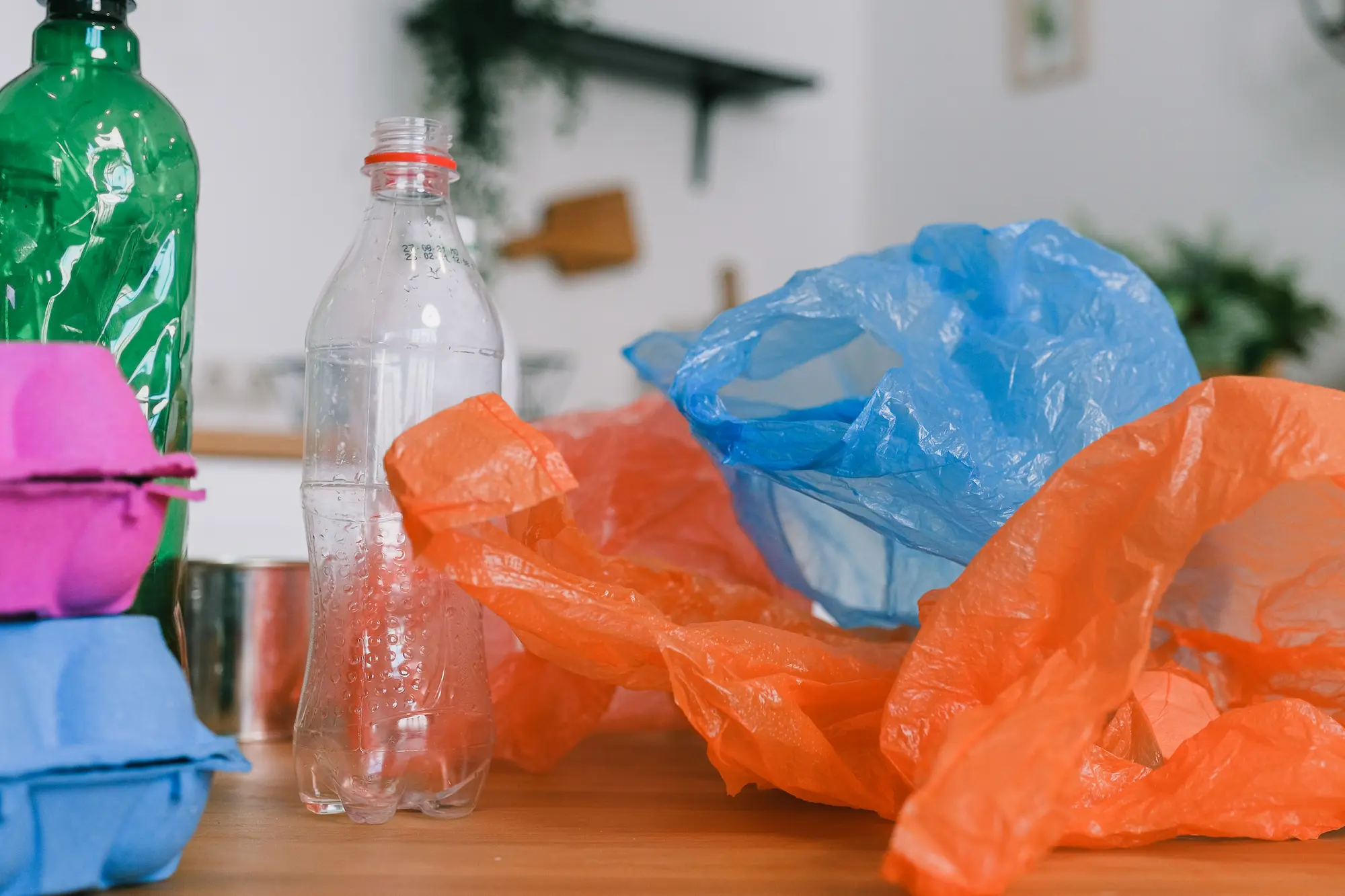
- Limiting Single-Use Plastics (SUPs): SUPs are the most visible and problematic waste stream in tourism, directly threatening coastal destinations like Vlora or Saranda. Replacing plastic water bottles with glass carafes and filtration stations keeps high-value materials in circulation and eliminates PET waste.
- Digitalisation of Information: As part of the "Twin Transition" (green and digital), businesses can replace printed guest manuals, maps, and menus with digital versions accessible via QR codes, preventing significant paper waste.
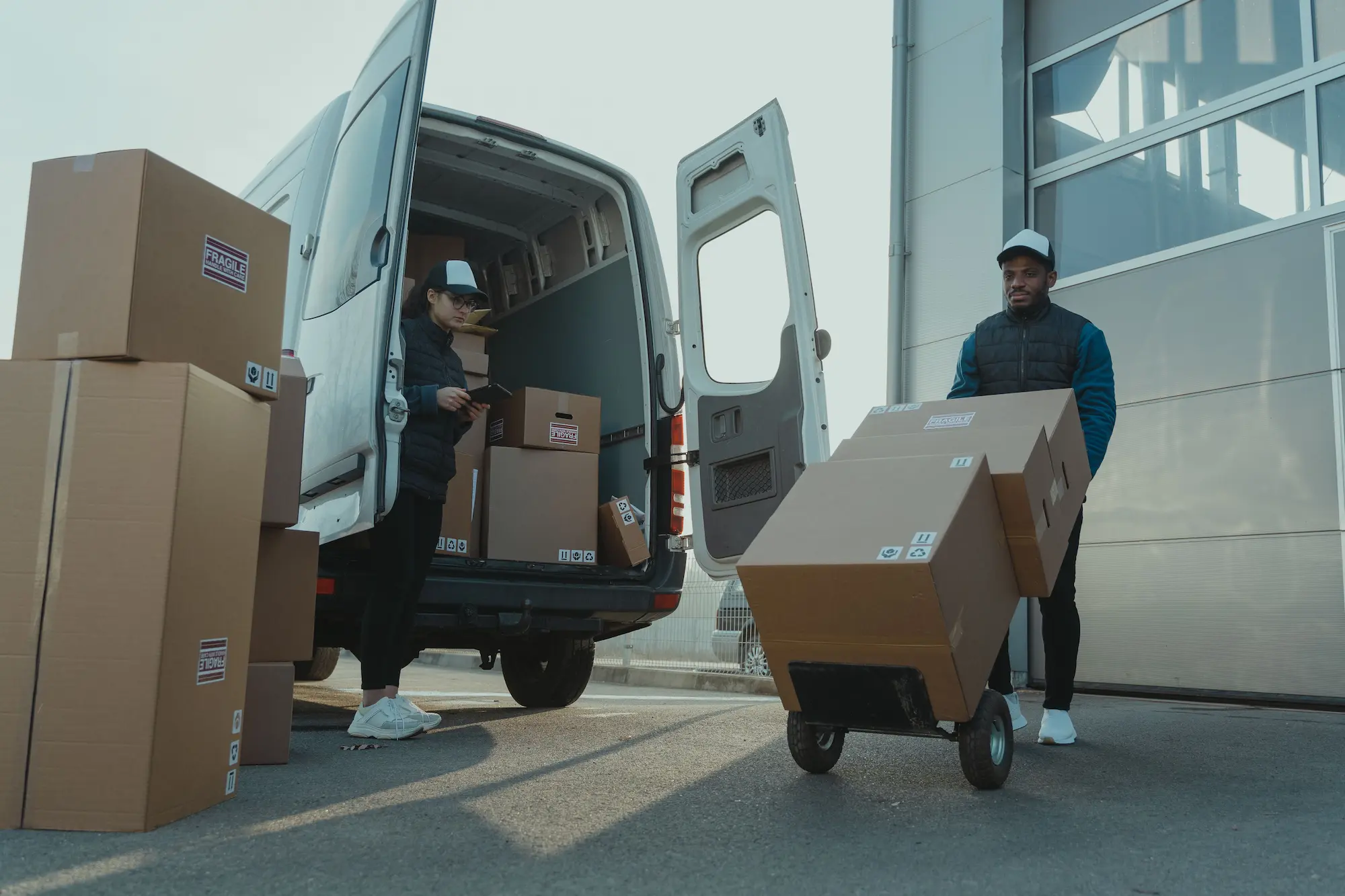
- Sustainable Supply Chains: Managers should negotiate with suppliers to receive produce in reusable crates and specifically request that laundry services or vegetable vendors avoid unnecessary plastic wrapping. Prioritising locally produced food (the "Farm-to-Fork" principle) further reduces "food miles" and packaging waste associated with international shipping.

Making the Business Case: A Simple Cost–Benefit Method
Prevention measures often need a small investment, and managers will ask how quickly it is recovered. A cost–benefit calculation answers this in six steps, using the Cost–Benefit Worksheet (see Practical Exercise 1):
- Define the measure and the period of analysis (normally 12 months).
- Add up the initial costs: equipment, installation and one-off staff time (set-up, training).
- Add up the annual running costs: maintenance, consumables and the staff time needed for the new routine (for example refilling, turning compost, recording data).
- Estimate the annual gross savings: purchases avoided and disposal or transport fees avoided, based on invoices or audit data.
- Calculate the annual net savings: gross savings minus running costs.
- Calculate the payback period and the return: Payback (months) = initial costs ÷ (annual net savings ÷ 12). ROI (%) = annual net savings ÷ initial costs × 100.
State every assumption (prices, quantities, labour cost, occupancy) and present the result as an estimate that is valid only while conditions remain comparable. The figures used in this module are illustrative; replace them with the data of your own business.
Examples and Case Studies
| Procurement Intervention | Implementation Strategy | Resource Preservation Outcome |
| Bulk Amenities | Install wall-mounted dispensers for shampoo, body wash, and hand soap. | Eliminates thousands of miniature plastic bottles annually per facility. |
| Refillable Water Systems | Switch to in-house filtration and glass bottling for meeting rooms and guest rooms. | Prevents the use of tens of thousands of single-use plastic bottles. |
| Sustainable Supply Chains | Use a "Sustainable Supplier Evaluation Checklist" to screen for recycled content and take-back programs.16 | Ensures that procurement decisions advance rather than hinder sustainability goals. |
Adopting "Farm-to-Fork" principles by sourcing local, seasonal produce reduces "food miles" and eliminates the excessive plastic wrapping typical of international shipping (go to Module 3 for more information). This approach transforms sustainability from a cost into a strategic driver of operational efficiency.
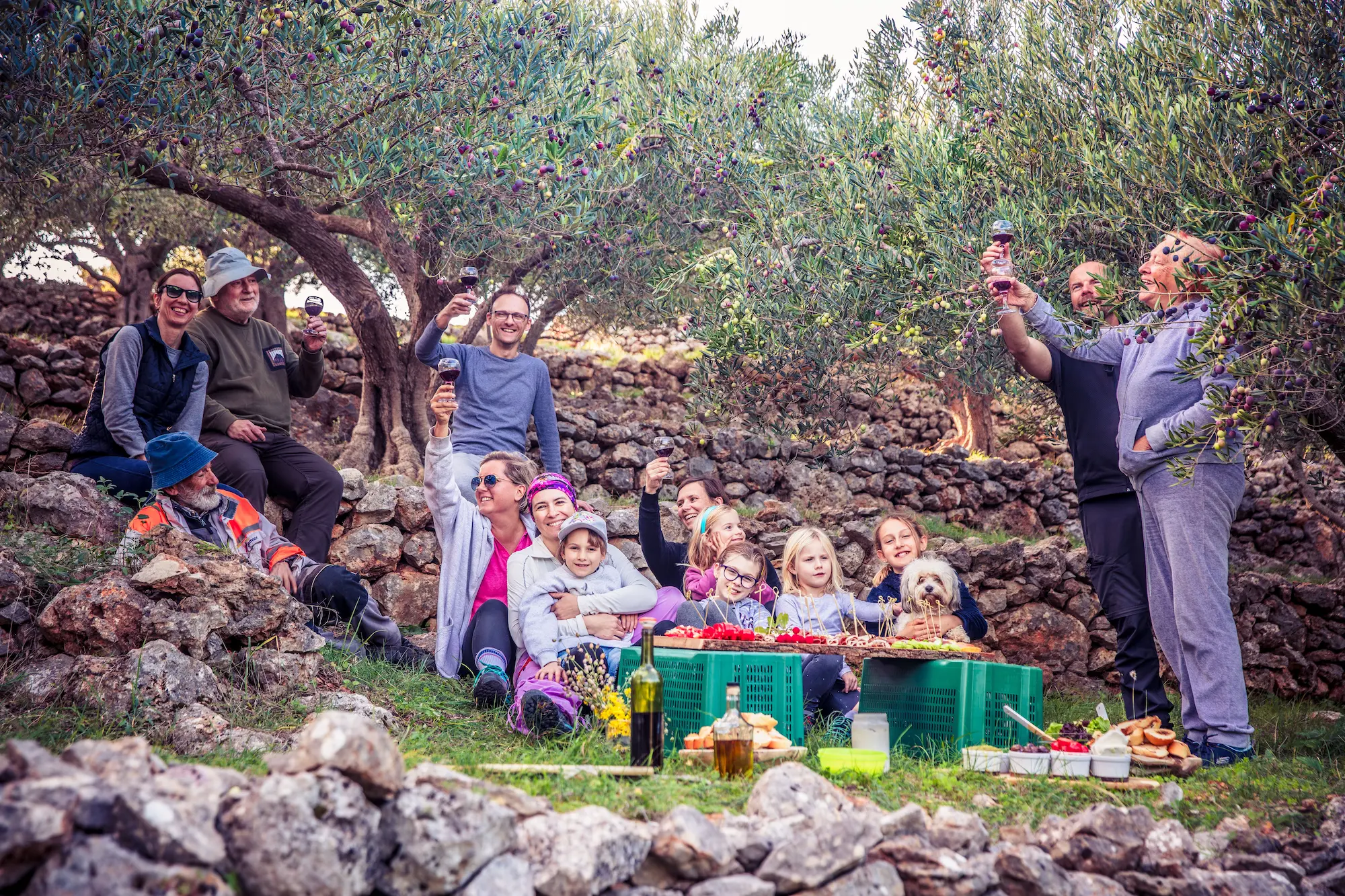
- Case Study 1: Zero-Waste Agritourism (Gerbehof, Germany). The Gerbehof model is a powerful template for Albanian agritourism in regions like Theth or Shkodra, where rural locations make municipal waste transport expensive and irregular. By adopting "Source-First" purchasing, Albanian SMEs can negotiate with local farmers to receive products like cheese and olives in reusable crates or glass jars, mirroring Gerbehof’s use of returnable containers. This minimises lightweight packaging waste, which often overwhelms local infrastructure during peak summer surges. Furthermore, implementing Gerbehof's practice of internal accountability—where staff witness the direct cost of waste—can help small businesses protect their slim margins. This low-cost, low-tech approach turns sustainability from a logistical burden into a competitive advantage, attracting eco-conscious travellers who value authentic, zero-waste experiences rooted in the local landscape.
- Case Study 2: Zero-Waste SME Checklists (Roubaix, France). Albania’s tourism sector faces rapid growth but struggles with underdeveloped waste systems and high seasonal pressures. The Roubaix "Commerçants Zéro Déchet" model is highly relevant for small Albanian hotels and cafes in hotspots like Saranda or Gjirokastër. This approach uses a twelve-point checklist to break down complex circular principles into simple, actionable steps for staff and managers. By committing to simple actions—such as improved back-of-house sorting, bulk purchasing, and removing single-use plastics—SMEs reduce their dependency on overstretched municipal infrastructure. This proactive strategy lowers operational costs and enhances a business’s reputation with eco-conscious international travellers. Furthermore, local businesses can form "collaborative clusters" to share waste collection points, creating the necessary scale for effective recycling in infrastructure-limited areas.
Worked Example 1: Payback of Bulk Amenity Dispensers (illustrative figures)
A guest house with 15 rooms records about 2,400 occupied room-nights per year. It replaces two miniature bottles per room-night (shampoo and shower gel) with wall-mounted dispensers. Amounts are in euros per year unless stated.
| Line | Calculation | Amount (€) |
| A. Miniature bottles used today | 2 bottles × 2,400 room-nights = 4,800 bottles × €0.15 | 720 |
| B. Bulk product after the change | 2,400 room-nights × €0.06 | 144 |
| C. Annual gross savings | A − B | 576 |
| D. Running cost: staff time for refilling | 24 h × €5 (assumed labour cost) | 120 |
| E. Running cost: maintenance | Replacement of pumps and seals | 20 |
| F. Annual net savings | C − D − E | 436 |
| G. Initial cost: dispensers | 30 wall-mounted dispensers × €12 | 360 |
| H. Initial cost: installation | 6 h × €5 | 30 |
| I. Total initial costs | G + H | 390 |
| J. Payback period | I ÷ (F ÷ 12) | 10.7 months |
| K. Return on investment (ROI) | F ÷ I × 100 | 112 % |
Interpretation. The measure recovers its cost in about 11 months and avoids 4,800 plastic bottles per year. If staff time and maintenance were ignored, the payback would appear as 8.1 months: omitting running costs makes the result look better than it is. If refilling took 48 hours instead of 24, the annual net savings would fall to €316 and the payback would extend to 14.8 months.
| Assumptions of this example
• Prices (€0.15 per miniature, €12 per dispenser, €0.06 of bulk product per room-night) and the labour cost of €5 per hour are illustrative; obtain supplier quotes and use local wages. • Occupancy and guest behaviour remain the same during the year; savings are an annual estimate. |
Methodologies and Tools
- Methodology: Life-Cycle Thinking. Instead of looking only at the initial purchase price of products (goods and services), managers should evaluate the "total cost of ownership" rather than just the initial purchase price. This assessment considers the environmental impacts across the product’s entire life—from raw material extraction to final disposal. By choosing durable, repairable, and non-toxic goods, an SME justifies the potentially higher initial cost of a product through long-term savings in maintenance and disposal fees. By prioritising durability and repairability, a business transforms sustainability from a cost into a strategic driver of long-term economic resilience.
- Tool 1 - Sustainable Procurement Guide Checklist (Green Tourism): This resource provides a comprehensive checklist to assess suppliers based on whole-life impact, covering raw materials, manufacturing, and end-of-life considerations. Moreover, it also a tool for SMEs to screen new products based on the following circular criteria:
- Raw Materials: Are the materials sustainably sourced? Do they contain recycled content?
- Manufacture: What resources (energy/water) are used? Does the product carry an ecolabel (e.g., Fairtrade, FSC)?
- Distributor: How far must the product travel? Can the delivery packaging be reduced or reused?
- Use: Is the product durable, repairable, or rechargeable? Does it require additional resources to maintain?
- End-of-life: Can the product be easily disassembled, reused, refurbished, or recycled?
The strategic advantage of this checklist lies in its ability to quantify the "whole-life impact" of a purchase, allowing SMEs to justify the potentially higher initial cost of a durable good against the recurring costs of single-use disposables.
- Tool 2 - Sustainable Supplier Evaluation Checklist (Kimberly-Clark Professional): This tool focuses on sourcing transparency, recycling processes, and energy efficiency.
These checklists are designed to help SMEs and VET institutions screen new products for durability, repairability, and minimal packaging before they enter their business.
Core Section B: Solid Waste Management Methods (Simple Composting and Basic Waste Sorting)
Concept Explanation
When waste generation is unavoidable, the focus shifts from prevention to handling materials in a way that maximises their recovery potential. In Albania, where the tourism sector is growing faster than the local waste infrastructure, SMEs must take a proactive role in material recovery to protect the natural assets—like the Ionian coast or the Albanian Alps—that attract visitors in the first place.
Understanding Waste Streams
The circular model shifts from "disposing of trash" to "managing raw materials". To do this effectively, we must categorise materials into two distinct pathways: the "biological cycle" (nature) or the "technical cycle" (industry).
- The Biological Cycle (Nature): This cycle focuses on organic matter that can safely return to the biosphere. It involves biomass-based resources like food scraps and garden trimmings. Through natural processes like composting, these materials are broken down by bacteria and regenerated into nutrient-rich humus for the soil, creating a zero-waste system.

- The Technical Cycle (Industry): This cycle deals with finite materials that are not consumed during use, such as metals, plastics, wood, and glass. The primary goal is to extend the utility of these resources for as long as possible through maintenance, repair, reuse, and recycling. By keeping these materials in high-value circulation, a business prevents them from "leaking" into the environment or ending up in a landfill.
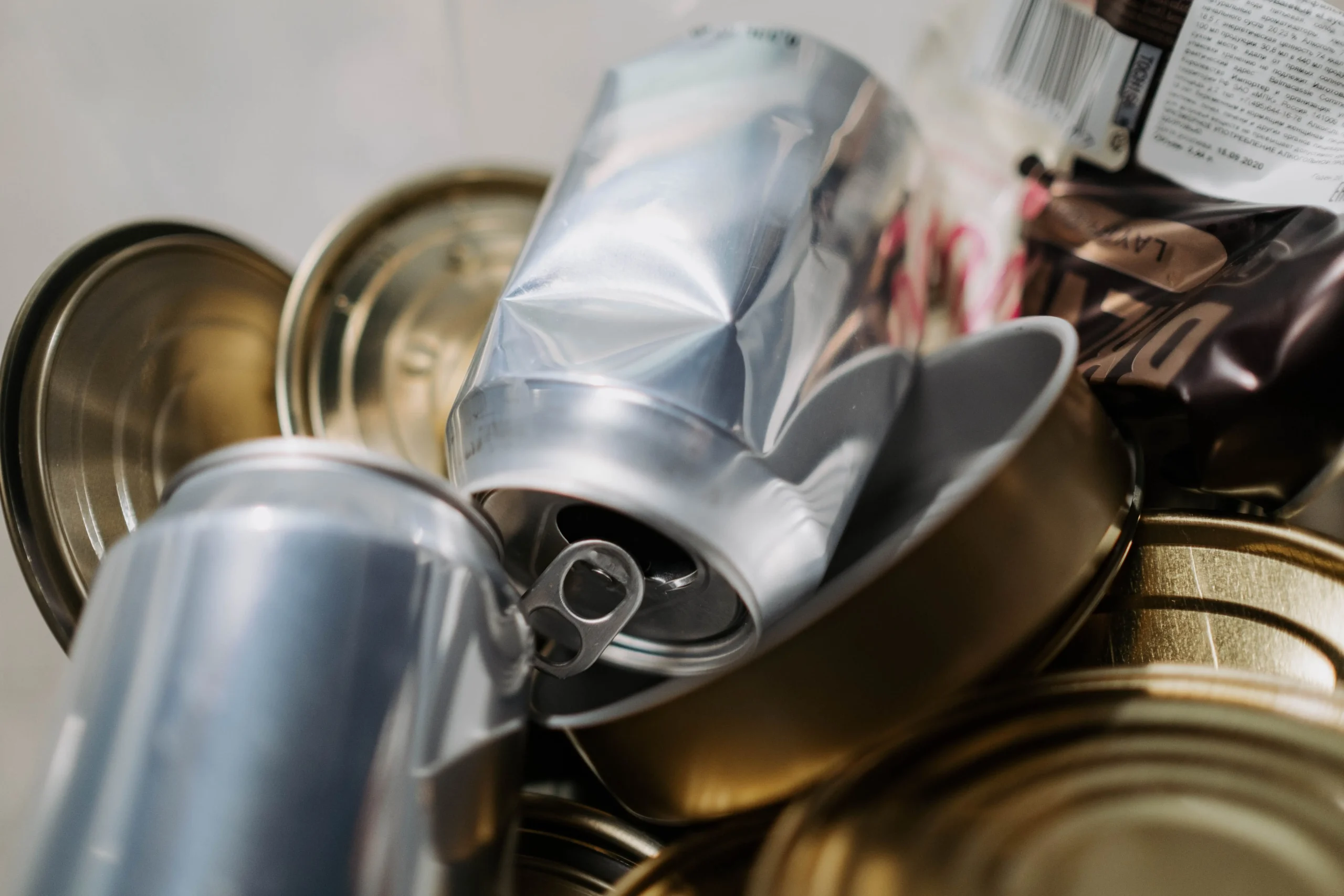
To manage waste effectively, tourism SMEs must first identify what they are throwing away. Common examples in the sector include:
- Accommodation: Newspapers, plastic shampoo bottles, and old linens.
- Food & Beverage: Food scraps, glass bottles, aluminium cans, and paper napkins.
- Maintenance & Grounds: Plant trimmings and hazardous items like half-empty pesticide bottles or batteries.
The Albanian Reality: Challenges as Opportunities
Albania faces systemic hurdles, including a waste collection rate that only reaches 77% of the population, often leaving out rural tourist zones. High seasonality creates a "waste surge" during summer that overwhelms municipal services. For an Albanian SME, implementing on-site sorting and composting is not just an environmental choice; it is a strategic way to reduce high disposal costs and the logistical burden of transporting waste over long distances.
The "Waste Station" Strategy
The foundation of a circular business is a well-designed sorting system. For Albanian SMEs, the most effective tool is a centralised Waste Station based on the principle of "Equal Convenience". This means a guest or staff member should never have to walk further to recycle than they do to throw something in the trash.
A standard station should include at least three clearly labelled containers, such as in the US SWACO system, using the following color-coding adapted for the region:
- Blue (Recycling): For "technical" materials like clean paper, plastic, and metals.
- Green (Organic): For "biological" materials like food scraps and coffee grounds.
- Black or Grey (Landfill): For residual waste that cannot be recovered.
In the European Union, it is common to have four labelled containers with different colors, which can change according to the region:
- Yellow: For plastic and metals.
- Blue: For paper.
- Brown: For "biological" materials (Organic).
- Black: For residual waste that cannot be recovered.
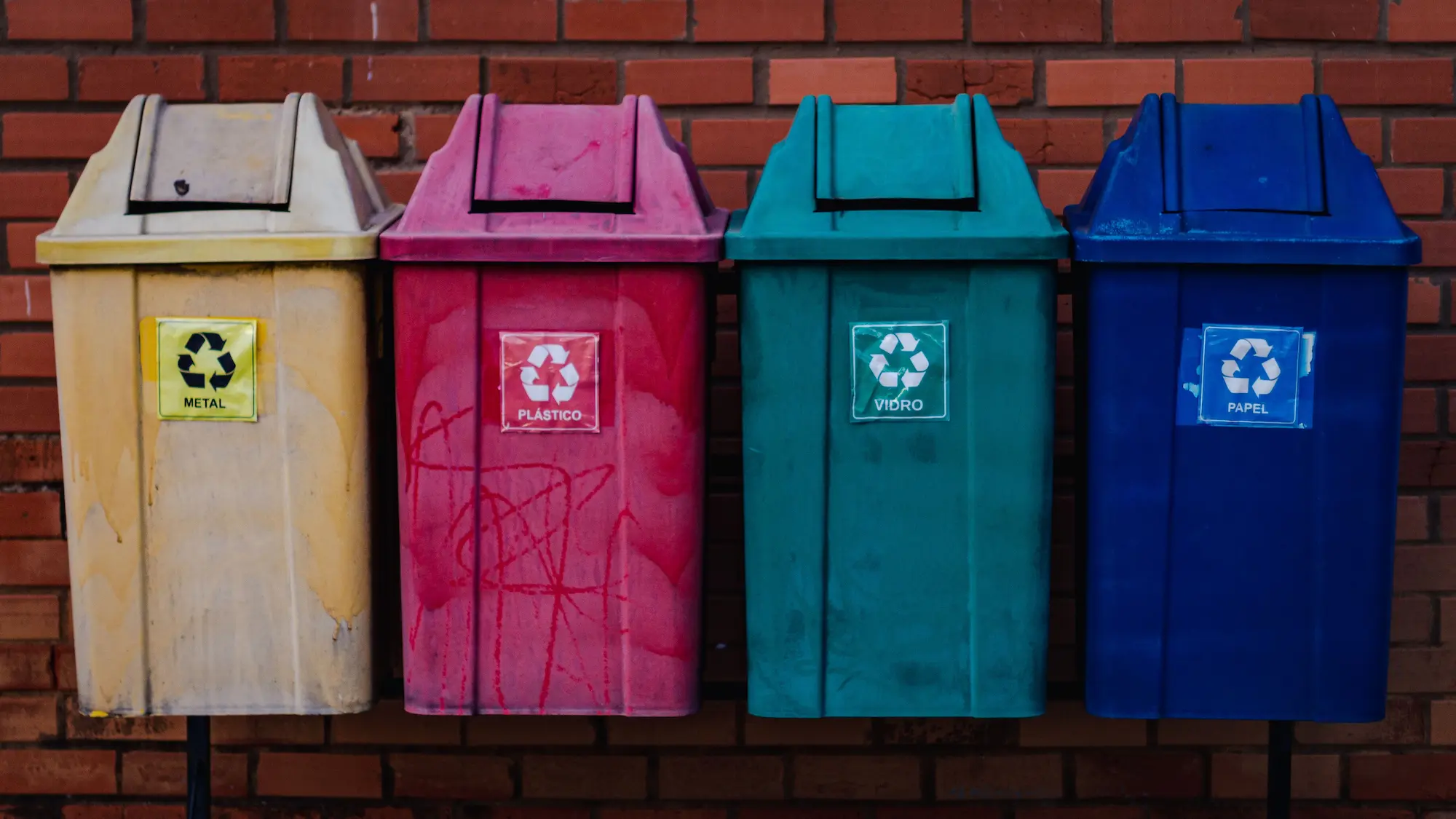
To reduce sorting errors, businesses should use "Physical Nudges". For example, a bin with a small round opening for bottles prevents people from accidentally dumping large bags of mixed trash into the recycling stream. Likewise, businesses should use pictogram-based labels featuring photos of actual items generated on-site, which is essential in Albania's multilingual tourism context.
Simple On-Site Composting
Organic waste often accounts for over 50% of a hotel’s waste volume in the Western Balkans. Moving this heavy, wet material is expensive and contributes to methane emissions in landfills. Simple on-site composting is a low-cost, high-impact solution that turns kitchen scraps into free fertiliser for gardens, closing the material loop.
For a small Albanian guesthouse or restaurant, maintaining a compost system requires four basic steps:
- Pre-sorting: Only add fruit, vegetables, coffee grounds, and eggshells. Avoid meat, dairy, and oils in simple systems to prevent odours and pests.
- C:N Balance: Mix "Greens" (wet food scraps) with "Browns" (dry leaves or shredded cardboard) to provide the right nutrients for the decomposition bacteria.
- Aeration: Turn the pile regularly with a pitchfork to introduce oxygen, which prevents the waste from smelling bad.
- Temperature Check: Ensure the pile feels warm; natural heat is necessary to kill pathogens.
For Albania’s flourishing agritourism sector in regions like Shkodra or Vlora, on-site composting turns a "problem" into free, high-quality fertiliser for olive groves, vineyards, or kitchen gardens. Furthermore, serving guests fruit or vegetables grown in soil enriched by the hotel’s own compost creates an authentic, eco-friendly narrative that appeals to modern, sustainable-minded travellers.
When Recycling and Collection Services Are Limited
Albanian SMEs cannot assume that the municipality will collect separated waste. According to the European Environment Agency (EEA), Albania has no separate collection system for households and businesses, municipal recycling is very low, and recyclable materials are handled mainly by informal collectors and private recycling companies; the EEA data date from the early 2010s and should be checked with the local municipality. The first question for any SME is therefore: where will each separated stream go? The table shows low-cost options by stream.
| Waste stream | Options when services are limited | Precautions |
| Plant-based food scraps, coffee grounds, garden trimmings | On-site composting: single lidded bin, three bays built from reclaimed pallets, or vermicomposting for small kitchens. Use the finished compost in the garden or orchard. Neighbouring businesses can share one composting site (collaborative cluster). | Add only plant-based scraps in simple systems. Keep bins covered and away from guest areas. Do not give kitchen waste to farmers as animal feed: the EU prohibits feeding catering waste to farmed animals (Regulation (EC) No 1069/2009, Article 11); check the national rules. |
| Meat, fish, dairy, cooked food, used cooking oil | Keep in the residual stream or hand over to an authorised collector. Do not treat on site unless the competent authority approves. | These materials attract pests and are covered by animal by-product rules. |
| Glass bottles | Agree a take-back arrangement with the beverage supplier at delivery; reuse bottles as carafes or storage containers. | According to the EEA, glass bottles are reused by beverage companies in Albania; confirm the practice with your supplier. |
| Aluminium cans, PET bottles, paper and cardboard | Store clean, dry and flattened in a covered space. Hand over to a local recycling collector or buy-back point once the volume justifies the trip; combine volumes with neighbouring businesses. | Ask the municipality or local recycling companies for the nearest collection point. Record weights to show the volume. |
| Batteries, pesticide containers, other hazardous items | Store separately in closed containers and hand over to an authorised collector. | Never burn or bury waste. |
| Residual waste | Reduce it first through prevention and separation; use the municipal service for the remainder. | Never burn or dump waste. |
Where to start. Begin with the two streams that give the largest effect for the least effort: plant-based organic waste (composting) and one clean recyclable stream with a confirmed destination, usually glass or aluminium. Extend separation when the volume records from the manual audit (Core Section C) show that further streams justify collection.
Managing the Technical Cycle
Items that cannot go back to nature (plastics, glass, metals) must stay in the technical cycle. Since individual SMEs may lack the volume for professional recycling pickups, the present waste management framework encourages "Collaborative Clusters"—groups of local businesses that share waste collection points to create the "scale" needed for circularity.
Industry Benefits and GSTC Alignment
Implementing these systems directly supports GSTC Criterion D2.4 (Solid Waste), which requires businesses to have a plan to reduce, separate, and recycle waste. For Albanian tourism, where centralised infrastructure is still developing, these low-tech solutions like on-site composting at agritourism farms or eco-lodges provide immediate economic and environmental results. By treating waste as a resource, SMEs reduce disposal costs, improve their "green image" for eco-conscious travellers, and protect the local landscapes—like the coastlines of Vlora or the mountains of Theth—that attract tourists in the first place.
Examples and Case Studies
- Case Study 1: Composting in VET Centres (Inspired by Lycée Vauban, France). In Albania, organic waste accounts for over 50% of the total waste volume in the hospitality sector. However, collection services often miss rural tourist zones, leaving SMEs with high transport costs. Adapting the Lycée Vauban model, Albanian VET centres in regions like Vlora or Shkodra can integrate on-site composting into their curriculum. By training students to manage simple compost bins or vermicomposting, schools provide future professionals with hands-on "green skills" directly applicable to the burgeoning agritourism sector. This low-tech approach turns heavy food scraps into free, high-quality fertiliser for local olive groves or vineyards, closing the material loop. Reducing the weight of waste also lowers municipal disposal fees and prevents greenhouse gas emissions from landfills, protecting Albania's mountain and coastal ecosystems.
- Case Study 2: Creative Upcycling (Inspired by Roca Recicla and El Celler de Can Roca, Spain). El Celler de Can Roca, a world-renowned restaurant, showcases the transformative power of circular design through its "Roca Recicla" initiative. By converting 22,500 annual empty wine bottles into high-value tableware and upcycling difficult-to-recycle polystyrene delivery boxes into durable stools, they prove that waste is simply a resource in the wrong place. This model offers a strategic solution for Albanian hospitality businesses in Tirana or the Riviera, where glass and plastic packaging often overwhelm local waste systems. Instead of disposal, SMEs can collaborate with local artisans or recycling firms like Recycling Albania to create unique, branded furniture or decor. This proactive approach reduces transport costs and landfill fees while building a "green" reputation that appeals to eco-conscious tourists. By valuing discarded items as secondary raw materials, Albanian SMEs can turn environmental challenges into creative economic assets.
Methodologies and Tools
- Methodology: The UN Environmental Programme Manual for Water and Waste Management provides a framework for teachers and SMEs to improve performance through material segregation. It highlights that effective recycling and composting are impossible without source separation; mixing food waste with paper or glass prevents material recovery and creates health risks. Additionally, the UN Tourism Global Roadmap for Food Waste Reduction introduces the "Target – Measure – Act" approach, encouraging businesses to set diversion goals and use circular processes—like composting—to ensure raw materials are retained in the biological or technical cycles rather than lost to landfills.
To move from theoretical frameworks to everyday action, managers need structured guides that simplify complex recovery processes into routine checks. These tools provide the technical blueprints required for physical infrastructure and daily operational standards, ensuring that technical waste streams remain uncontaminated.
- Tool 1 - Recycling Container Placement & Signage (SWACO): The "Recycling Container Placement & Signage" guide from SWACO offers a blueprint for setting up high-performance waste stations. Key principles include "Equal Convenience"—placing a recycling and compost bin next to every trash receptacle so sorting is as easy as disposal. It advocates for standardised color-coding (Blue for recycling, Green for compost, Black/Grey for landfill) and the use of photo-based signage to reduce errors in multilingual settings. Using specific opening shapes (e.g., round holes for bottles) also acts as a "physical nudge" to ensure clean material streams.
- Tool 2 - Self-Inspection Checklist: Food Composting. The "Self-Inspection Checklist for Food Composting" provides a daily protocol to ensure on-site systems are hygienic. The checklist focuses on four scientific pillars: Pre-sorting; Temperature Checks; Regular Aeration; and C:N Ratio balance. This transforms organic waste from a heavy burden into free fertiliser for hotel gardens.
Core Section C: Waste Monitoring Systems
Concept Explanation
Tracking is the foundational mechanism of accountability that moves resource management from "guesswork" to a "data-driven strategy". For tourism Small and Medium Enterprises (SMEs), this process illuminates hidden waste patterns, revealing exactly where and why materials are being lost, which allows managers to adjust menus in the case of restaurants, or purchasing habits in the case of a VET institution or hotel, to protect their margins. This is particularly critical in Albania, where rapid tourism growth often outpaces local waste infrastructure, making on-site reduction the only viable way for a business to avoid high disposal fees and seasonal waste surges.
The Methodology of a Manual Waste Audit
Before a business can improve its efficiency, it must understand its current flow through a Walkthrough Inspection. This involves touring the premises to note bin usage, identifying "skip areas" (where recycling is neglected), and observing staff habits during peak hours. Managers could look for "solo" trash bins that lack recycling or compost counterparts, which violates the principle of "Equal Convenience". For an Albanian guesthouse, this might mean noticing that the majority of waste in guest rooms consists of half-empty plastic water bottles or un-requested single-dose amenity kits.
Audit Steps for SMEs:
- Define Goals: Is the goal to reduce food waste, increase recycling, or cut disposal costs?
- Gather Tools: PPE (gloves, masks), scales, tarps, clipboards, and cameras.
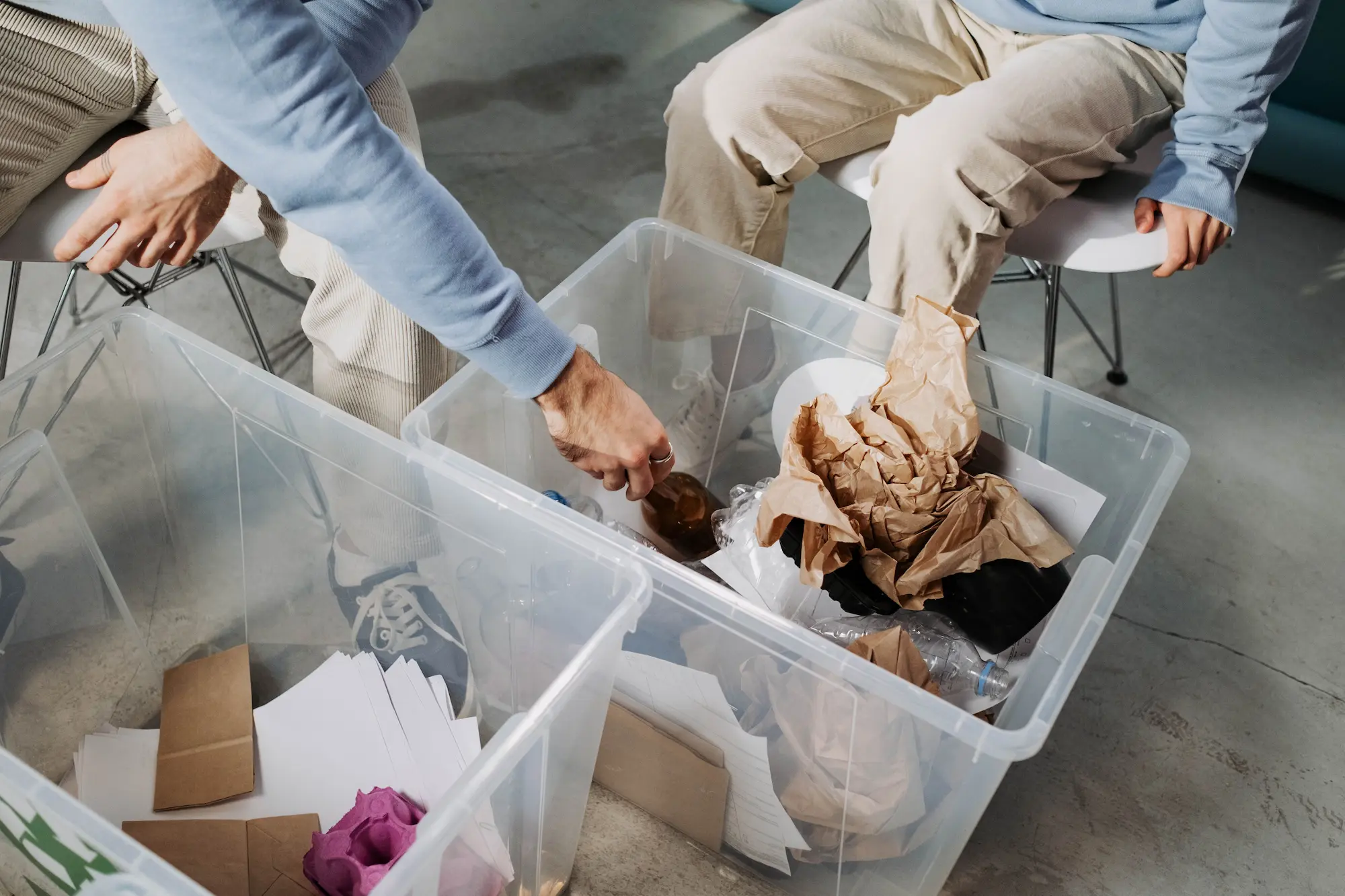
- Sort and Weigh: Categorise waste into paper, plastic, metal, glass, and organic.
- Identify Patterns: Look for "recurring brands" or materials that shouldn't be in a particular stream. For example, if large quantities of unopened condiment packets are found, this suggests a need to move to bulk containers.
Manual Tracking Spreadsheets and Daily Audit Sheets
The heart of any monitoring system is the Manual Waste Audit, a physical analysis of the facility's various waste streams. Managers should select the busiest day of the week—typically a Saturday during the peak summer season—to capture data that reflects the business's greatest operational challenges. During the audit, a dedicated team physically sorts a representative sample of waste into categories such as paper, plastic, metal, glass, and organics. This quantification is vital because even if materials are recyclable, they must be present in a sufficient weight or volume to make separate collection or collaborative marketing feasible for the SME.
The Role of the Green Ambassador
To sustain these efforts, SMEs and VET institutions should appoint a Green Ambassador (or "Sustainability Ambassador") from within their staff or student body. This individual bridges the gap between management policy and floor-level implementation, acting as the lead controller of the facility's Tracking Spreadsheets and Logbooks. By merging advocacy with data responsibility, the Green Ambassador ensures that every item thrown away is recorded in a "Food Waste Logbook" or a “Weekly Waste Tracker” at the point of discard. They record vital data points: the date, time (to identify rush-hour inefficiencies), type of waste, quantity (by weight or volume), and the specific reason for loss, e.g. spoilage.

Primary Tasks of a Green Ambassador:
- Peer Education: Training onboarding and existing staff on proper sorting and the reasons behind circular initiatives.
- Audit Coordination: Organising periodic waste audits and documenting the results with photos and data.
- Innovation Advocacy: Proposing new sustainable ideas.
- Monitoring: Tracking the progress toward specific, measurable goals for circularity, such as a "Recycle Rate Increase" from 50% to 75%.
- Community Liaison: Representing the business in local environmental initiatives, such as coastal clean-ups or tree-planting events.
Green Skills and GSTC Alignment
This section builds essential "Green Skills," specifically Systems Thinking, where learners come to understand how a procurement flaw (like over-ordering perishable produce) impacts the local ecosystem and the business's bottom line. This approach directly implements GSTC Criterion A1 (Performance Monitoring), which requires businesses to have a documented sustainability management system that drives continuous improvement, and Criterion A4 (Staff Engagement), ensuring that employees are periodically trained and actively involved in resource retention.
Examples and Case Studies
- Case Study 1: Eco-Representative students
The "élèves éco-délégués" (Eco-Representative students) is a French national program initiated by the government where every secondary school class elects student ambassadors to lead projects focused on biodiversity, waste sorting, and climate impact. This model is particularly powerful for Albania, where nearly 60% of VET teachers currently report limited knowledge of circular economy principles. In VET centres in regions like Vlora or Gjirokastër, students can be elected as "Green Ambassadors" to lead project-based initiatives such as walkthrough inspections and waste audits. By diagnosing issues like "solo" trash bins or excessive single-use plastics in hotel mock-ups, learners move from theory to practical problem-solving. This bottom-up approach addresses Albania’s infrastructure limitations by utilising existing school spaces for sorting initiatives without requiring major capital investment. It prepares future professionals to manage high seasonal waste surges by designing pictogram-based signage to overcome multilingual barriers, fostering a culture of accountability essential for preserving the natural assets that define the Albanian national brand.
- Case Study 2: Energiescouts and Waste Monitoring
The "Energiescouts" initiative, organised by the Städtische Berufsschule für Informationstechnik in Munich, Germany, trains students to act as sustainability ambassadors responsible for monitoring energy consumption, identifying wasteful practices, and initiating prevention measures. This initiative provides a low-cost template for data-driven resource management in Albanian hospitality, where slim margins make efficiency a strategic imperative. By training staff or interns as "Green Ambassadors," businesses transform operational "guesswork" into a "Source-First" strategy. These ambassadors use manual tracking tools—such as "Food Waste Logbooks" and spreadsheets—to measure discards during peak operational times, capturing the reality of Albania’s intense seasonal surges. For an Albanian SME, this means identifying "environmental hotspots" where procurement flaws, like over-ordering perishables, lead to financial loss. Rewarding ambassadors who propose innovations, such as switching to reusable bulk systems, helps SMEs build a competitive brand that attracts eco-travellers. This practice directly implements GSTC Criterion A1 by institutionalising performance monitoring, ensuring the long-term resilience of the local tourism ecosystem.
Methodologies and Tools
Methodology: The Manual Waste Audit Team
To conduct an effective audit, staff or students should be assigned the following roles:
- Team Manager: Leads the audit, ensures all staff are properly trained, and oversees health and safety protocols.
- Sorter/Picker: Physically separates the bags into the predefined categories (biological vs. technical cycles).
- Weigher: Weighs each sorted category on a scale and communicates the bin weight to the recorder.
- Scribe/Data Recorder: Records the weights in the logbook and takes photographs of contamination "hotspots" to use in future staff training sessions.
Effective monitoring moves sustainability from a vague goal to a measurable operational standard. These tools allow "Green Ambassadors" to identify financial leaks and material inefficiencies in real-time.
- Tool 1 - Food Waste Logbook (EPA) The Food Waste Logbook is a daily tracking mechanism that shifts kitchen management from guesswork to a data-driven strategy. It captures critical data points at the point of discard: date, time, food type, quantity, and the specific reason for loss, such as spoilage or customer plate waste. By identifying the "Top 5 waste items," managers can brainstorm reduction ideas with staff to protect thin margins. This tool directly supports GSTC Criterion A1 by institutionalising performance monitoring. For Albanian SMEs, it provides a low-cost way to visualise the direct economic benefits of waste prevention, transforming sustainability into a value driver.
- Link: Food Waste Logbook
- Tool 2 - Weekly Waste Tracking Sheet. Once you have the average weight for each waste stream, the Foodprint Group’s Weekly Waste Tracker is used to calculate the average weekly total. Staff count and note the number of bags, bins, or bundles by stream set out for collection during the rest of the week. Adding up the totals provides a weekly quantity, which is then multiplied by four to determine the monthly weight baseline. For Albanian SMEs, this quantification is vital to identify waste patterns during seasonal surges and determine if there is sufficient volume to make separate collection feasible