5 hours (can be divided into 2–3 sessions)
Resources: Computer & projector, flipchart, seasonal food calendar, sample supplier lists, procurement templates, calculator, storage temperature charts, local farm case examples, garden tools (if practical session included).
Core Section A: The Food Ecosystem – Building Local Partnerships
Concept Explanation
Local partnerships are at the heart of the development of sustainable and circular practices in general but are of particular importance to support food ecosystems and making them more resilient.
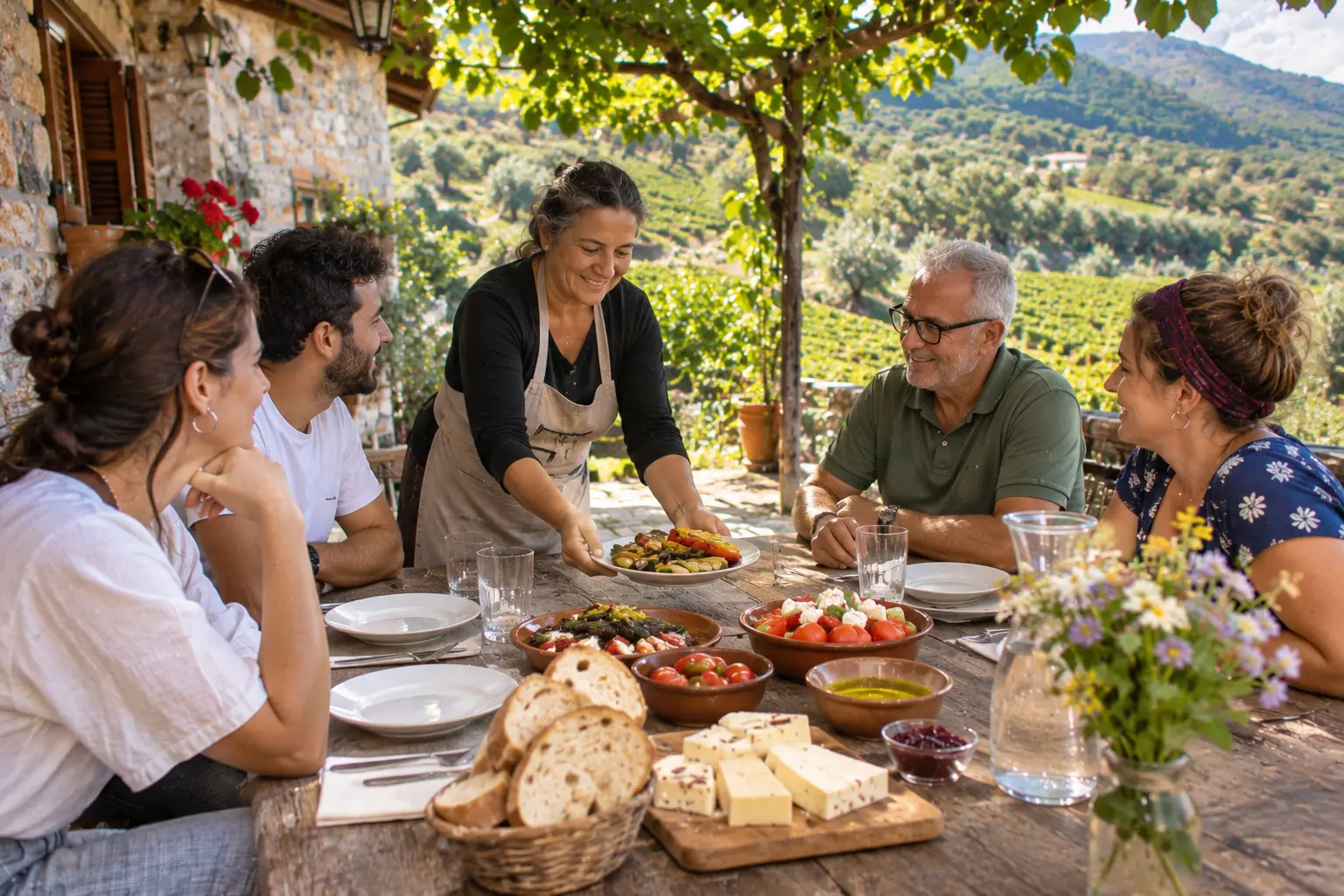
They play a vital role in developing food tourism that supports the circular economy by bringing together farmers, food producers, restaurants, tourism businesses, local governments, and community organisations. These collaborations strengthen local food systems and communities by encouraging the use of seasonal, locally sourced ingredients, reducing transportation emissions, and creating economic opportunities for regional producers. Through coordinated efforts, stakeholders can minimise food waste by redistributing surplus food, collaborating with each other, composting organic waste, and transforming by-products into new products orculinary experiences.
Food tourism partnerships also promote sustainable visitor experiences by connecting tourists and visitors with authentic culinary traditions and local food varieties across hospitality businesses, farm visits, cooking workshops, and local markets. Such experiences increase awareness of responsible consumption while preserving cultural heritage and supporting local livelihoods. Collaboration among businesses enables the sharing of resources, knowledge, and best practices, improving efficiency and reducing environmental impacts. Governments and educational institutions including VET providers can further support these partnerships by providing training, funding, and policy frameworks that encourage innovation and sustainable practices. Businesses engaged in the development of good practices can act as ambassadors to inspire a future generation of professionals.
By integrating circular economy principles into food tourism, partnerships help create resilient destinations where economic, environmental, and social benefits are shared among stakeholders. They encourage responsible production, transformation and consumption, strengthen community engagement, and enhance destination competitiveness. Ultimately, strong partnerships ensure that food tourism contributes to long-term sustainability by conserving resources, reducing waste, supporting local economies, and delivering meaningful experiences for visitors while benefiting future generations.
Building partnerships between the (agri)food and tourism sectors is not always easy as they are mostly part of two different distinct ecosystems where professionals do not systematically collaborate. The most common collaborations are linked to food supply for hospitality businesses and promotion of culinary experiences to tourists and visitors. However, connecting with (agri)food businesses can have many benefits as previously explained, and lead to considerable shifts in how a destination is perceived by visitors.
The following stakeholders are involved in the local food ecosystem and can all play a part in jointly developing circular practices. Farm to Fork in Circular Tourism connects:
- Farmers, producers and fishermen
- Restaurants and hotels
- VET schools in tourism and agriculture
- Tour operators, guides and experience providers including agritourism
- Local tourism offices, local governments and promoters
- Visitors and residents
Instead of isolated stakeholders one needs to imagine a joint ecosystem for food and tourism that also holds a joint vision for sustainability in the destination. Cooperation ensures quality, traceability, authenticity, and economic resilience.
In Albania, many small producers struggle with market access, while tourism businesses rely on imports. The country boasts first class produce, local varieties and traditions of product transformation that offer a unique opportunity for sustainable food tourism and experience development.
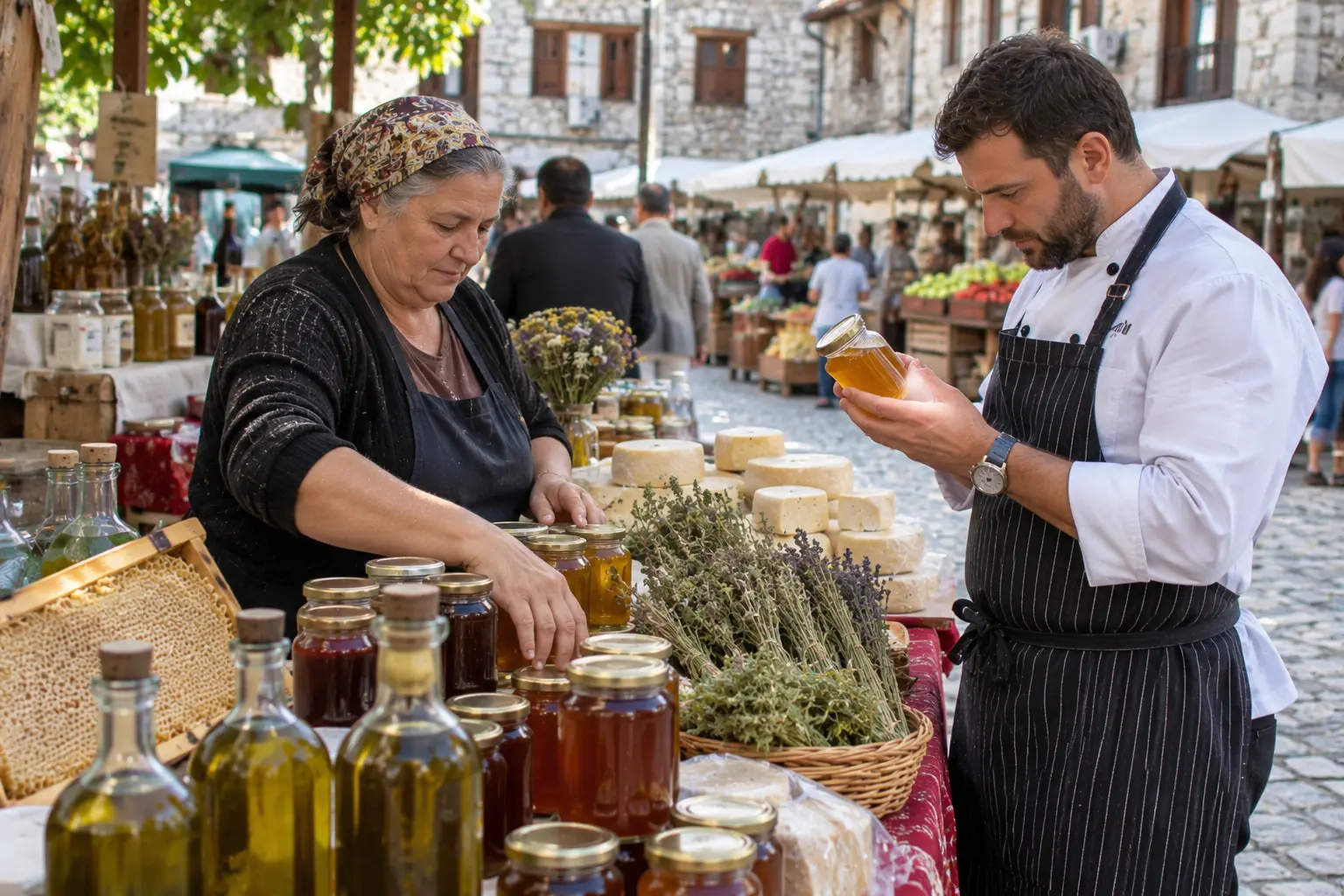
Building partnerships supports local entrepreneurs (GSTC B4) and strengthens destination-level planning (GSTC A10). As an example, the systematic promotion of local food producers and their products and experiences by tourism destinations supports compliance with this criterion.
Some concrete examples could be:
- Agreements between restaurants, hotels and local producers: Restaurants promote the producers they collaborate with on their menu and website, demonstrating transparency and traceability of products while supporting local agribusinesses.
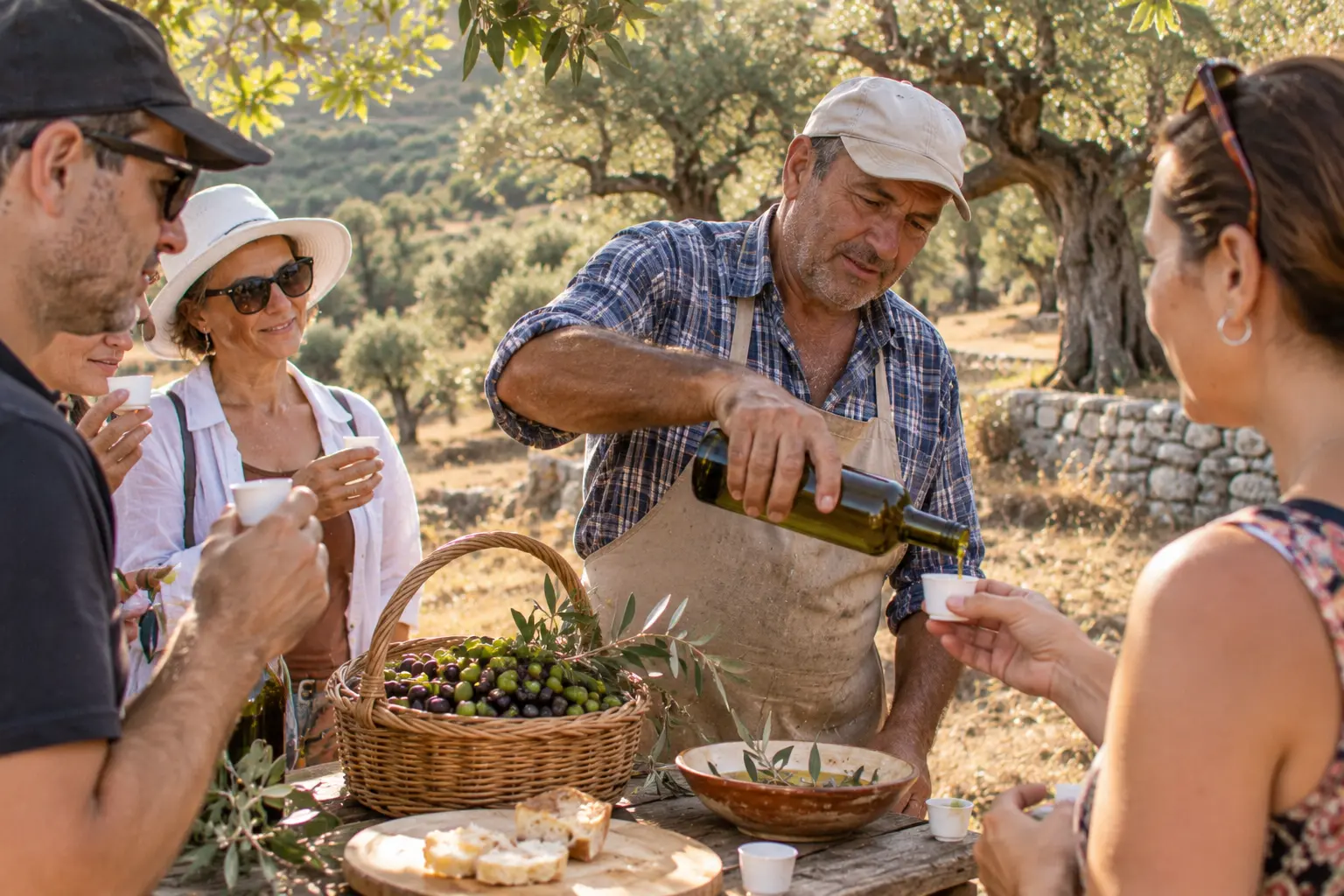
- Farms offering on-site tastings and experiences: Collaborations between agribusinesses and tourism professionals to ensure the development of innovative experiences in line with sustainable and circular principles.
- Collaborations between producers and transformers to develop new joint products that bring innovation to local culinary tourism.
- Tourist offices and local authorities promoting food and drink/wine tours: Beyond the simple promotion of the tourism product, considering the communication about sustainable and circular practices to develop a deeper connection with the visitor and raise awareness.
Circular Food Tourism and collaborations between stakeholders can ensure that money spent by tourists and visitors remains in the community and strengthens local economic and environmental resilience.
Examples and Case Studies
Case Study 1: Le Saltimbanque restaurant
At the heart of Le Saltimbanque’s approach is a strong network of relationships with local producers, farmers, fishermen, and artisans who contribute to the restaurant’s sustainable food model. These partnerships allow the restaurant to adapt its offer according to seasonal availability while promoting regional products, traditional knowledge, and short supply chains. By working closely with local stakeholders, Le Saltimbanque creates a collaborative ecosystem where producers and hospitality professionals support each other in delivering high-quality, responsible cuisine. This approach demonstrates the value of cooperation across the food sector and highlights how local partnerships can strengthen sustainable tourism, preserve regional resources, and create shared environmental and economic benefits.
Case Study 2: Lycée Polyvalent Hôtelier Marguerite Yourcenar
Lycée Polyvalent Hôtelier Marguerite Yourcenar illustrates how vocational education can act as a bridge between students, hospitality professionals, and local stakeholders to promote more sustainable practices. Through practical training activities and connections with the food and hospitality sector, learners are introduced to real-world approaches in sustainable cooking, responsible sourcing, and resource management. The school’s collaboration with external partners helps ensure that training remains aligned with evolving industry needs while providing students with relevant professional experience. By fostering exchanges between education providers and businesses, the initiative strengthens employability, knowledge transfer, and the development of a more sustainable hospitality workforce.
Methodologies
A range of different methodologies and tools can be employed to support partnership building in the food and hospitality sectors.
A simple stakeholder mapping that identifies local and regional stakeholders can reveal new potential opportunities for collaboration or the identification of gaps that could maybe be filled through the initiatives or business ventures.
Similarly, mapping business value chains to have a detailed understanding of the food used all the way from farm to fork, can be revealing and support important changes in procurement and overall management in line with advancing towards compliance with today’s sustainability expectations and the GSTC criteria.
In practice, simple exercises such as a stakeholder mapping exercise can help to identify all key stakeholders in a local food ecosystem and especially those in addition to the ones are you already collaborating with. Such a mapping can support considerations for new partnerships as the business evolves and works towards becoming more sustainable (a template for a simple mapping exercise for a business and classroom has been provided).
Once the stakeholder mapping has been completed, a partnership canvas can be filled in that defines roles, expectation and communication channels. This can form the basis for the development of an action plan. (A template has been provided which can be filled in both in a business and a learning context in the classroom).
A value chain mapping exercise can help trace food all the way from farm to fork and inform future procurement decisions and raise awareness about where food comes from as well as how its quality might have been impacted during the process. (A template has been provided to be filled in both in a business and a learning context in the classroom).
In the classroom a role-play activity can support the practical application of learning by for example simulating a negotiation of your choice, for example between a farmer and a hotel or restaurant manager.
Tools
Printed templates and simple spreadsheets (Excel, Google Sheets or the free LibreOffice Calc) are sufficient for stakeholder mapping, partnership planning and value chain mapping. They are free, need no account and are the recommended starting point for classrooms and small businesses in Albania. Digital tools can add planning, monitoring and tracking features, but many require an account or a fee, and a business should assess its needs before choosing one.
The following tools are examples only. The access conditions are indicated for each tool, and none of them is required to complete the activities of this module.
Kumu: Specifically designed to visualise stakeholder relationships, partnerships and influence within complex ecosystems. It is widely recognised as one of the leading tools for stakeholder mapping and collaboration analysis, making it particularly useful for tourism destinations seeking to strengthen stakeholder engagement and cross-sector collaboration. (https://kumu.io) Access: free for public maps, paid plans for private projects; account required. Optional.
Sourcemap: Enables organisations to map product journeys, procurement flows and supplier networks, improving transparency, traceability and sustainable procurement. It is particularly relevant for visualising food supply chains and identifying opportunities for more circular value chains in tourism. (https://sourcemap.com) Access: commercial platform, mainly paid. Suitable for larger businesses; low priority for small businesses.
Open Food Network: Connects producers, distributors, restaurants and consumers through local food networks, supporting short supply chains, local procurement and stronger regional partnerships. The platform helps strengthen collaboration between hospitality businesses and local food producers while promoting sustainable food systems. It is currently not well-known in Albania but it has a lot of potential to be used by local businesses. (https://openfoodnetwork.org) Access: open-source platform; availability and fees depend on the local network. Low suitability for Albania at present.
Miro: A collaborative online workspace that provides interactive templates for stakeholder mapping, value chain mapping, process mapping and co-creation activities. Its visual and user-friendly interface makes it particularly suitable for participatory workshops involving multiple tourism stakeholders. (https://miro.com) Access: free basic plan with an account and a limited number of boards; paid plans for larger teams. Optional.
Spreadsheet (Excel, Google Sheets or LibreOffice Calc): A simple spreadsheet can serve as a stakeholder register, supplier database and partnership log, with columns for contact, product, distance, season and status. It can be used to track collaborative activities over time and to organise the information generated during stakeholder mapping exercises. Access: free options exist (Google Sheets with a Google account, or LibreOffice Calc); this is the recommended first choice.
Food Made Good: Although maybe not immediately applicable in Albania, it can offer inspiration for interested tourism SMEs. Developed by the Sustainable Restaurant Association, this benchmarking framework helps restaurants assess and improve sustainable sourcing, supplier engagement, waste reduction and overall sustainability performance. It provides practical guidance for embedding circular economy principles into hospitality operations. (https://foodmadegood.org) Access: guidance is largely free to read; certification is paid. Low suitability for Albania at present.
Core Section B: Local Sourcing & Responsible Procurement
Local sourcing means prioritising products grown or produced nearby. Short supply chains reduce transport emissions (GSTC D2.2), strengthen local suppliers (GSTC B3), and improve freshness. However, local produce is not necessarily the most sustainably grown, therefore production methods also need to be considered. What is strictly speaking considered as local varies in different countries and regions. Some restaurants and hotels commit to sourcing their products within a specific radius, of for example 10, 20, 50 or 100km and are transparent about products that feature on the menu despite not being available locally. There are many examples of restaurants that are committed to local sourcing to the extent that they have eliminated certain ingredients such as for example lemon or pepper from the menu all together since they are not produced locally. Coffee and tea have been replaced by other local drinks.
The important aspect here is to take the time to fully understand where the ingredients that are being purchased come from, how they were grown (are they nutritious and do they stem from small organic vs industrial production) and how they were transported (what is their carbon foot print) and to be aware of the overall impact of the sourcing and purchasing decisions that are being made. Depending on the business, a customer might well be prepared to pay a premium price for food products and dishes that are prepared from quality local ingredients and being communicated as such. Therefore, higher prices can be viable if the consumer understands the added value of the experience.
Responsible procurement includes:
- Choosing seasonal produce and adapt to local availability on the
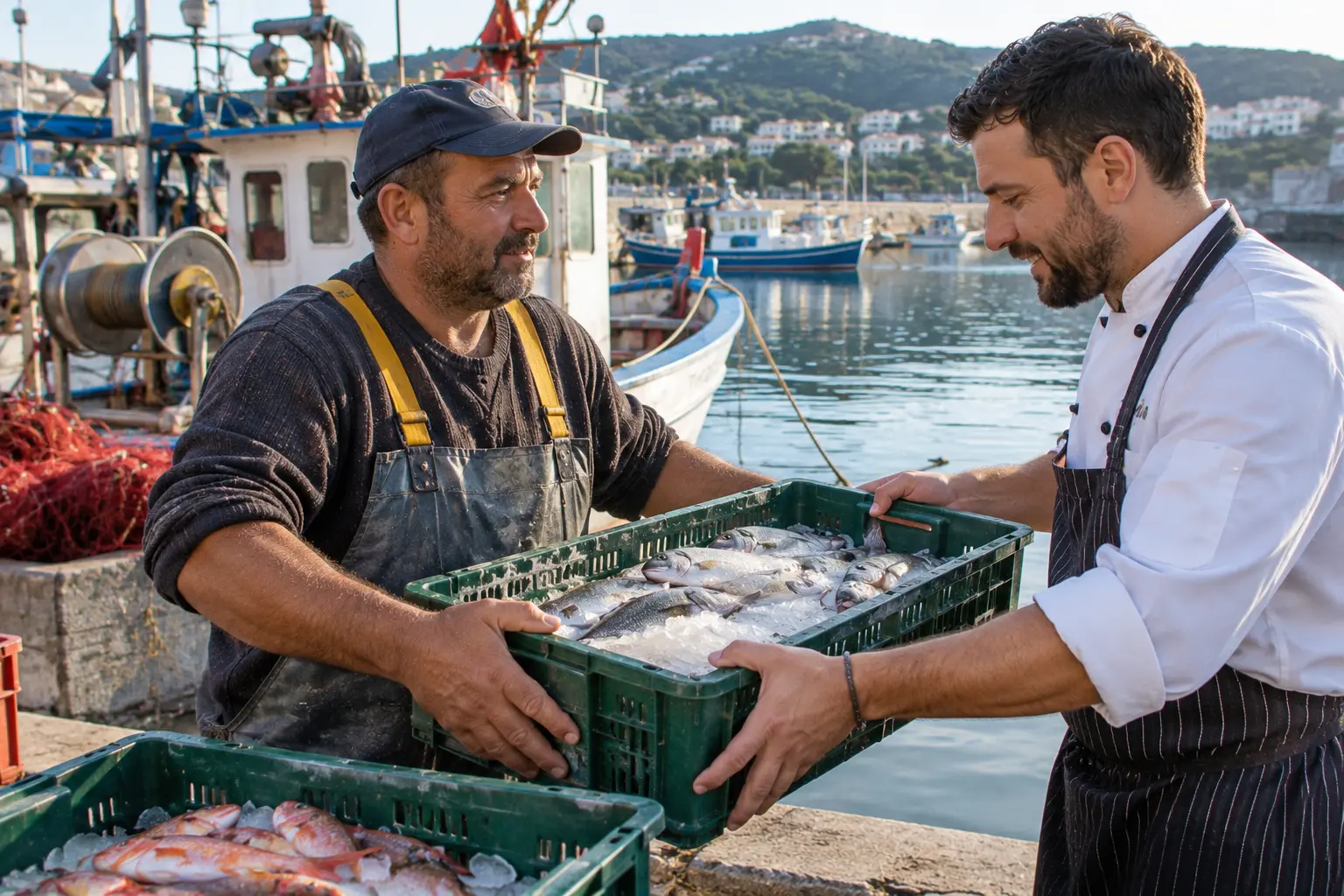
- Preferring sustainably sourced meat and local fish (respecting size and reproduction periods) and other locally sourced ingredients, especially organic produce from sustainable and regenerative
- Reducing packaging by working with local farmers and producers
- Avoiding over-ordering by carefully estimating needs and anticipating potential alternative use of unconsumed products.
- Working with environmentally responsible suppliers (GSTC 1, D1.2).
In Albania, reliance on imported products increases costs and environmental impact. It also takes away from the resilience of the local economy and weakens local agricultural and culinary heritage. In the face of climate change, local food security and self sufficiency is an important aspect to be considered. Circular Food Tourism considers the value of healthy soils, sustainable and regenerative production and transformation methods as well as the value of sustainable principles for local economic development.
Agritourism development offers considerable potential in Albania as a contrast to the mainstream tourism industry that is experiencing rapid development. Agritourism strengthens the link between tourism and agrifood by offering farm visits, on-site meals, local product tastings (wine, olive oil, cheese etc.), and an overall immersive and authentic experience. Therefore, creating stronger links between agribusinesses and those working in mainstream tourism development can generate considerable mutual benefits for both parties and improve sustainable tourism development in the country.
Examples and Case Studies
Case Study 1: Auberge de la Marine and Mister Goodfish Programme
By participating in the Mr.Goodfish programme, Auberge de la Marine demonstrates how restaurants can play an active role in protecting marine ecosystems through responsible seafood sourcing. The initiative encourages chefs and hospitality professionals to select seasonal species from healthy fish stocks, helping to reduce pressure on overexploited resources while promoting greater biodiversity on restaurant menus. Students and staff alike gain a deeper understanding of sustainable procurement, traceability, and the environmental impact of purchasing decisions. By linking culinary excellence with marine conservation, the practice illustrates how informed food choices can contribute to a more resilient and circular hospitality sector while raising awareness among both future professionals and customers.
Case Study 2: Le Saltimbanque restaurant
Le Saltimbanque offers an innovative model of sustainable gastronomy by replacing a traditional fixed menu with a daily surprise menu inspired by seasonal availability and locally sourced ingredients. Working closely with a network of nearby farmers, fishermen, and artisans, the restaurant strengthens local supply chains while reducing food waste, transport emissions, and unnecessary packaging. This flexible approach demonstrates how high-quality dining can be fully aligned with circular economy principles and support regional biodiversity. Beyond its environmental benefits, the practice provides valuable learning opportunities for hospitality professionals by promoting skills in adaptive menu planning, sustainable procurement, supplier collaboration, and customer engagement through authentic food storytelling.
Examples from Albania
The European examples above can be complemented by Albanian cases that demonstrate how similar principles are being applied within the project’s local context.
Mrizi i Zanave, Fishtë
Mrizi i Zanave demonstrates how an agritourism business can support a network of local producers while offering visitors food that reflects the destination. The restaurant sources ingredients from surrounding farms and families, including milk supplied by 35 local households. By connecting tourism, traditional food production and local purchasing, the business helps retain income within the rural community and provides a market for small-scale producers.
Lile family farm and restaurant, Përmet
The Lile family farm and restaurant, located near the Bënja thermal baths, combines farming, traditional cuisine and tourism. With support from the SFS-MED project, the family strengthened the presentation and promotion of its products and learned from agritourism businesses in Italy how organic farming, locally sourced ingredients and traditional dishes can be integrated into the visitor experience. The example shows how knowledge exchange between Albania and EU partners can help small rural businesses develop more sustainable food and tourism offers.
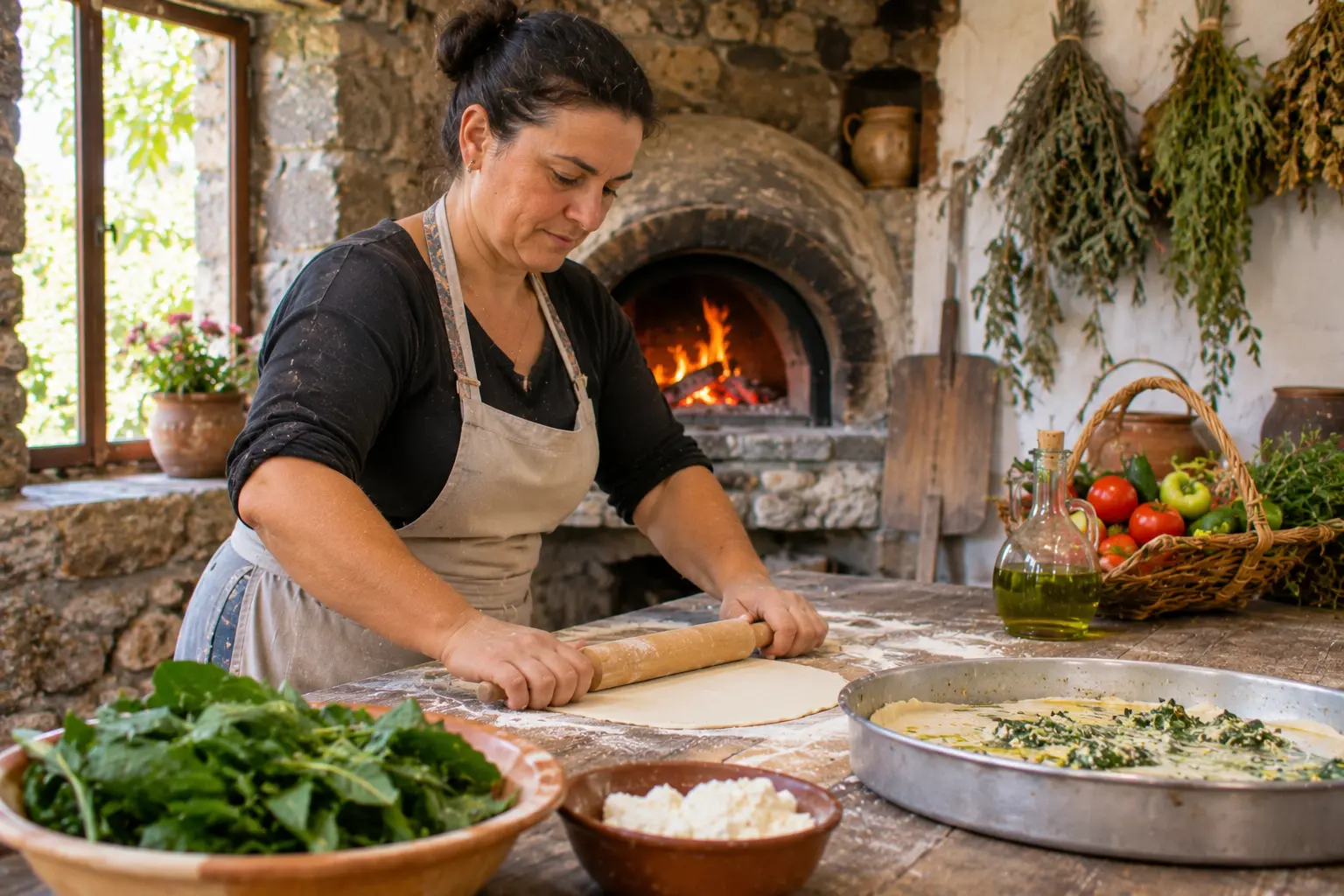
Task for learners (Mrizi i Zanave): (1) list the local producers and products mentioned in the case; (2) draw a simple farm-to-fork chain for one dish (producer, transport, kitchen, guest, waste); (3) estimate the distance in kilometres for each step; (4) propose one improvement that would increase the share of local ingredients. Present the results in ten minutes.
Sources
Albanian Government – Mrizi i Zanave:
https://www.kryeministria.al/en/newsroom/mrizi-i-zanave-model-i-agroturizmit-ne-vend/ Food and Agriculture Organization of the United Nations – Lile family farm:
https://www.fao.org/europe/resources/stories/details/culture--cuisine-and-countryside/
Methodologies
Similar to the previous section of this module, different methodologies and tools exist to support sustainable procurement decisions and the development of related strategies. Methods here are also relevant for other procurement, that is not necessarily linked to food products.
Using a procurement checklist, supplier comparison and self-assessment tool to evaluate different suppliers is a simple way to gain awareness about existing and missing sustainable practices and potential negative impacts that are being generated by sticking with current suppliers. Working with a simple checklist can help with making future procurement decisions and comparing advantages and disadvantages of different suppliers. (A sample checklist and self-assessment tool that aligns with ISO 20400 (Sustainable Procurement) principles has been provided and can be adjusted to meet specific needs of the business or learning activity. It also aligns with criteria B3 and D2.2 of the GSTC Industry Criteria).
Another method to evaluate potential negative impacts of procurement decisions in line with an overall business sustainability plan and sustainability related values is to calculate the transport distance and means of transport of different goods and food products (see below for a selection of free tools). Depending on specific needs, additional tools might be interesting for a business to consider.
Tools
EcoTransit: EcoTransit is a free online tool that calculates greenhouse gas emissions generated by freight transport across different transport modes, including road, rail, sea and air. It enables businesses to compare the environmental impacts of different delivery routes and transport options, helping hospitality businesses make more sustainable procurement decisions and reduce transport-related carbon emissions within their supply chains. (https://www.ecotransit.org) Access: free for basic calculations. Distances can be estimated, so the results are approximate.
Carbon footprint calculators: The calculation of a business carbon footprint, including energy use, is covered in Module 5. In this module, only the transport emissions of food deliveries are considered, for which EcoTransit is sufficient. See Module 5 for further tools.
Core Section C: Reducing Food Waste & Designing Seasonal Menus
Food waste is a major sustainability challenge for the European tourism sector, particularly in hotels, restaurants, holiday resorts, and catering services. According to Eurostat (2025), the share of food waste from restaurants and food services amounts to around 11%. Overall, in Europe it is estimated that each person produces around 130kg of food waste per year.
These large amounts of waste have led to the European Union strengthening its legislation. In 2025, amendments to the Waste Framework Directive introduced binding food waste reduction targets by 2030 (European Parliament & Council of the European Union, 2025):
- 10% reduction in food waste from food processing and manufacturing;
- 30% per-capita reduction at the retail and consumer level, including restaurants, food services, and households.
The high volume of visitors, seasonal demand fluctuations, and the expectation of abundant food availability and choices often result in excessive purchasing, preparation, and disposal of food. Hotels offering buffet meals are especially vulnerable because they must provide a wide variety of fresh dishes while ensuring that food remains available until the end of service. As a result, large quantities of edible food are discarded.
The most problematic type of food waste in tourism is plate waste (food left uneaten by guests) and buffet overproduction, followed by spoilage of perishable ingredients due to inaccurate demand forecasting. Restaurants also experience significant waste from oversized portions, preparation losses, and unsold meals. In hotels, breakfast buffets are among the largest sources of waste because guests tend to take more food than they consume, while strict food safety regulations often prevent leftovers from being reused.
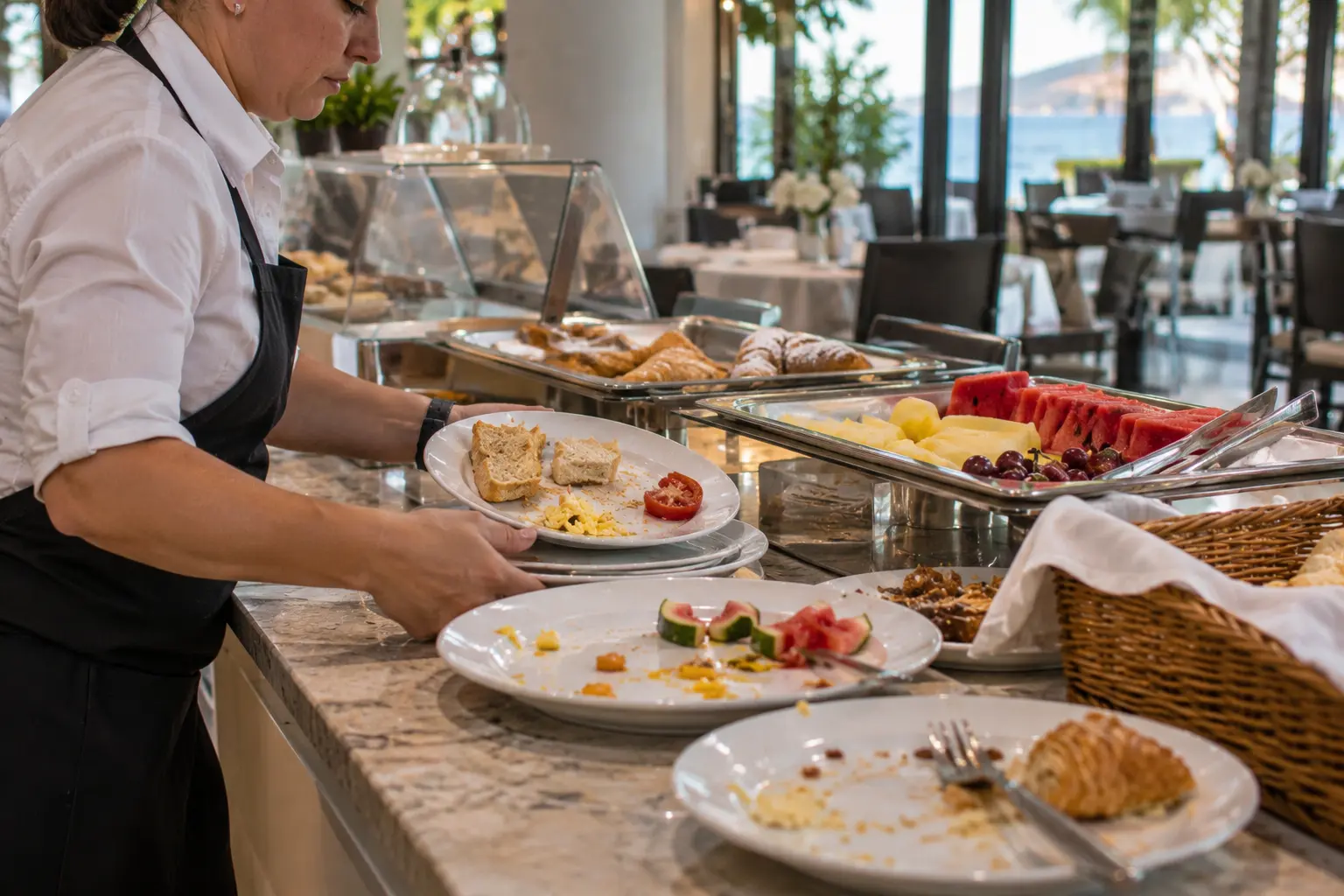
Across Europe, the hospitality sector accounts for millions of tonnes of food waste annually, which corresponds to a substantial share of the food service industry's environmental footprint. This waste increases greenhouse gas emissions, water and energy consumption, and operational costs. Reducing food waste through better inventory management, portion control, digital forecasting tools, menu planning, and guest awareness campaigns has become a key priority for achieving more sustainable tourism and supporting the European Union's circular economy and climate objectives.
Food waste is both an environmental and economic loss. Circular Tourism prioritises prevention (GSTC D2.4), which results in an overall reduction of waste. Waste can also be prevented by redistributing it to people or using it as animal feed. If prevention is not possible, then composting and anaerobic digestion are the next best alternatives since this process is circular.
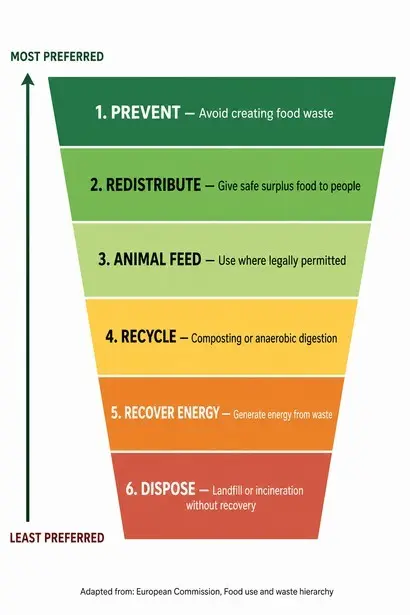
The food waste hierarchy ranks actions from the most to the least desirable. It prioritises preventing food waste, followed by redistributing safe surplus food for human consumption and using suitable material as animal feed. Recycling through composting or anaerobic digestion, energy recovery and disposal are progressively less preferred options.
There is no single inventor of the exact EU food waste hierarchy. Today, the hierarchy is reflected in the European Commission’s Food Use and Waste Hierarchy and the EU Waste Framework Directive. (European Commission; Papargyropoulou et al., 2014)
When defining adequate strategies one has to consider if the waste is generated during food preparation in the kitchen or during consumption. Depending on the type of waste that has been identified, different people will be involved in the waste generation and prevention, starting with the restaurant managers who are planning the inventory and menu but also forecast the flow of guests and purchase the ingredients. Chefs are mostly in charge of the storage and the preparation of the ingredients while service staff have an influence on portion sizes and are guiding customers in their food choices. The consumers make food choices based on information about portion sizes, ingredients and should be aware about the option to take away left over food.
Here are some key points to consider for food waste prevention and reduction as well as recycling: Overarching elements are education and awareness on the value of food, food waste quantification and measurement (accounting systems, tracking & analytics, internal audit) and the development of practical food waste monitoring reduction strategies. These include:
Inventory, Production and Menu Planning: Flexible menus based on seasonal availability but also by forecasting clients’ flow, principally relying on advanced booking, just in time cooking and innovative menu design. Seasonal menus reduce costs and integrate local culture (GSTC criterion C3).
Storage Techniques: Correct refrigeration and stock rotation (FIFO method). FIFO means that the oldest food items are placed at the front of a shelf or fridge to be used first, while newly purchased or delivered items are stored at the back. Furthermore, the continuous monitoring of used by dates, the right interpretation of used by and best before dates as well improvement of technology awareness in the use of fridge, freezer, oven can support both waste prevention and reduction.
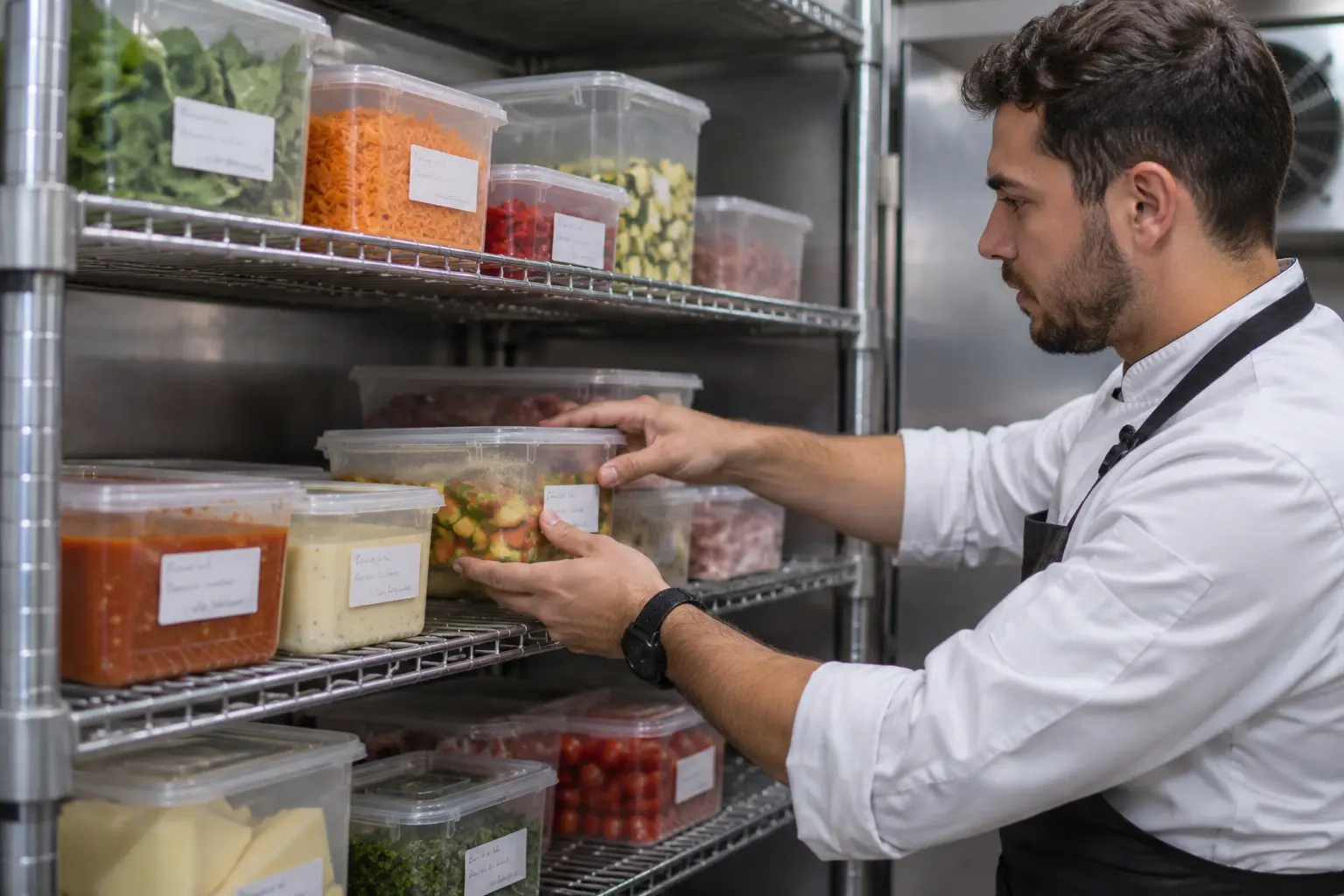
Preparation phase: Staff should explore about leftovers reuse for second life recipes, the donation of kitchen surplus, improving the technology awareness in the use of fridge, freezer, oven. By-products can be valorised (e.g. cooking oil) and surplus foods can be frozen. Surplus ingredients can be used for soups, preserves, fermentation, staff meals or collaborations to generate mutual benefit, for example old bread turned into beer or spent coffee grounds as a fertilizer.
Service: During service, staff have the opportunity to guide the consumer regarding portion size and ingredients. Restaurants should be open to reduced portion sizes upon request (for example by offering half a portion or tapas style portions if guests are less hungry). It should also be considered that pricing can be a strong factor of choice for the customer, especially if they prefer smaller portions.
Composting and anaerobic digestion: Biological waste that cannot be prevented or redistributed can be returned to the soil through composting, for example for a kitchen garden, or treated by anaerobic digestion. Details on separation and treatment are covered in Module 4.
In Albania, tourism seasonality can cause overstocking and waste. Flexible menus can help adapt the procurement and supply to fluctuating visitor numbers. Awareness about local food varieties and species under stress, such as certain fish varieties suffering from overfishing or rising sea temperatures, can help make food choices more sustainable and avoid wasting precious ingredients.
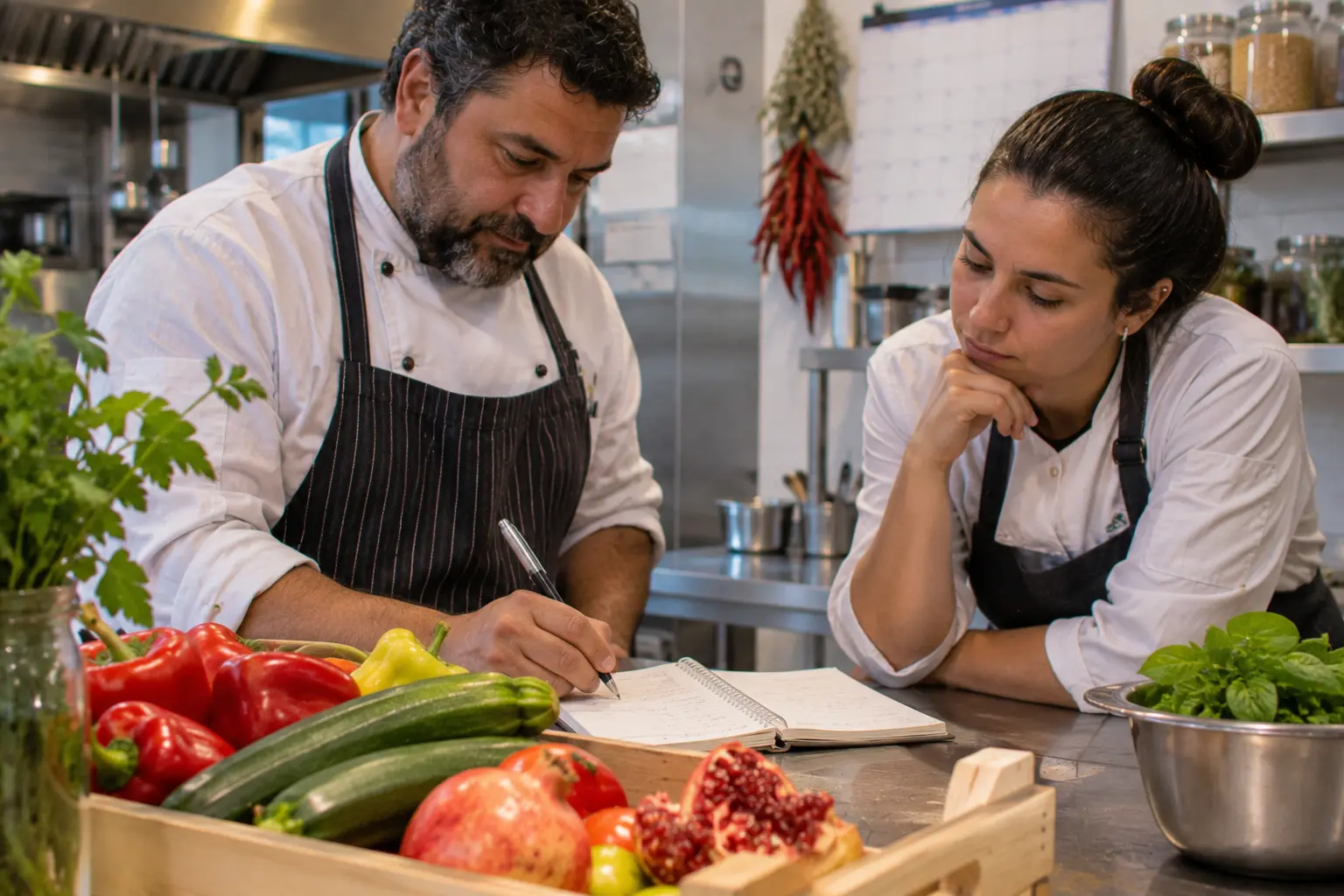
In the Albanian context, in view of joining the European Union, considering EU targets for waste reduction become an essential aspect of improving sustainability in the tourism sector. The growing tourism industry in Albania will demand increased provision of food to tourists and visitors. Therefore, the definition of adequate strategies to ensure food waste prevention and effective management need to be at the centre of an expanding industry while considering long-term challenges linked to food security in the face of a changing climate.
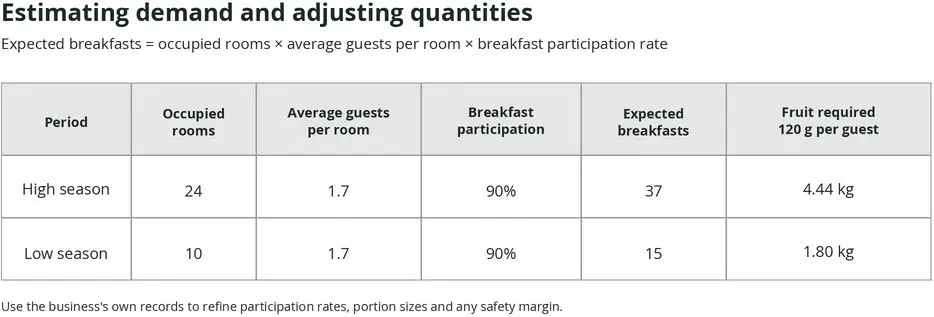
If the standard fruit portion is 120 grams:
- High season: 37 × 120 g = 4.44 kg
- Low season: 15 × 120 g = 1.8 kg
A small safety margin can be added using the business’s previous records, but the same fixed margin should not automatically be applied throughout the year.
Quantity adjustment example: if the high-season quantity (4.44 kg) were ordered in the low season, 2.64 kg per day would be surplus. At an illustrative price of €2.50 per kg this is €6.60 per day, or about €46 per week. Adjusting the order to expected guest numbers each week avoids this loss.
Examples and Case Studies
Case Study 1: Gerbehof
Gerbehof demonstrates how a hospitality business can integrate sustainable waste management practices into its daily operations through a combination of prevention, reduction, and responsible resource use. By carefully managing consumption, avoiding unnecessary waste, and encouraging reuse wherever possible, the initiative helps minimise the environmental impact of hospitality activities. The approach involves both operational measures and awareness-building among staff and guests, creating a shared responsibility for reducing waste generation. Through these actions, Gerbehof shows how accommodation providers can move towards more circular practices by keeping resources in use for longer, reducing disposal needs, and promoting more sustainable habits within the tourism sector.
Methodologies
Different methods to prevent and use food waste have already been touched upon in this section.
One way to gain a first understanding of the amount of food waste generated in the kitchen or business overall is to carry out an internal food waste audit. It is recommended to select a period of at least one week to monitor waste generation draw conclusions about which waste can be prevented, reduced or recycled. (A template for a food waste audit has been provided and can be used both in a business and learning environment such as a school kitchen).
Based on the outcomes, the business can consider different techniques, the change of suppliers or products used in the kitchen and/or decide to redesign parts or the whole menu of the establishment. Calculating the estimated financial loss from food waste generation can serve as inspiration and motivation to make changes to support future food waste prevention.
Worked example: calculating the cost of food waste
A seven-day audit identifies 27 kg of food waste. The average purchase cost of the wasted ingredients is estimated at €3.20 per kg.
- Weekly cost of food waste: 27 kg × €3.20 = €86.40
- Target reduction: 25%
- Potential weekly saving: €86.40 × 25% = €21.60
- Potential saving over a 30-week operating season: €21.60 × 30 = €648
This is a conservative estimate because it only includes the purchase cost of the food. Labour, energy, water and waste-collection costs may increase the real financial loss.
Payback check (illustrative): if the business invests €120 in lidded containers, kitchen scales and a printed waste log to run the audit and reach the 25 % target, the payback period is €120 ÷ €21.60 per week = 5.6 weeks, or about six weeks of operation. The result depends on the assumptions above and should be recalculated with the business’s own prices. Detailed cost–benefit methods are developed in Modules 5 and 6.
Worked example: menu profitability
A dish is sold for €10 and the ingredients cost €3 per portion. The food-cost percentage is therefore:
€3 ÷ €10 × 100 = 30%
If ten portions are prepared but only eight are sold, the business spends €30 on ingredients but generates only €80 in sales. The effective food-cost percentage increases to:
€30 ÷ €80 × 100 = 37.5%
This demonstrates how overproduction and unsold portions reduce menu profitability, even when the original cost per portion appears acceptable.
Tools
Guardians of Grub: Guardians of Grub is a free programme developed by WRAP to help hospitality businesses measure, monitor and reduce food waste. It provides practical resources including food waste audit templates, cost calculators, action plans and staff engagement materials that enable businesses to identify where and why food waste occurs. By recording the type and quantity of food waste generated, hospitality businesses can estimate financial losses, monitor progress over time and implement targeted actions to prevent waste and improve resource efficiency. (https://www.guardiansofgrub.com)
Kitchen Companion (WRAP): Kitchen Companion is a free online resource developed by WRAP to support hospitality businesses in improving food waste management. It provides practical guidance and tools to carry out food waste audits, monitor waste generation and estimate the financial impact of wasted food. The platform helps businesses identify waste hotspots, improve purchasing and stock management practices, and implement measures to reduce food waste while improving operational efficiency. (https://wrap.org.uk/taking-action/food-drink/hospitality-and-food-service) Food Waste Audit: Measure and categorise kitchen waste for one week and develop conclusions on how organic kitchen waste can be prevented, reduced or recycled.
Core Section D: School and Business Gardens – Learning by Doing
Gardens can supply herbs, vegetables, fruit and edible flowers. They support the seasonable supply of ingredients for hotel and restaurant kitchens. Combined with composting, gardens offer a circular model that can be implemented directly at the source of waste generation. They also serve as educational spaces linking agriculture and tourism training. In times where the pressure on natural environments is increasing, supporting local food varieties and biodiversity through the establishment of kitchen gardens can constitute an important contribution beyond the actual supply of produce for a hotel or restaurant. Often these gardens are combined with apiculture to support pollinators.
For tourism VET schools, gardens are a practical way to integrate circular tourism principles into curricula. The understanding of how food is produced, raises awareness about its true value and encourages the implementation of waste prevention and reduction measures in procurement and in the kitchen. The set up of a compost can further enhance the experience for students who will learn about the full cycle of food production.
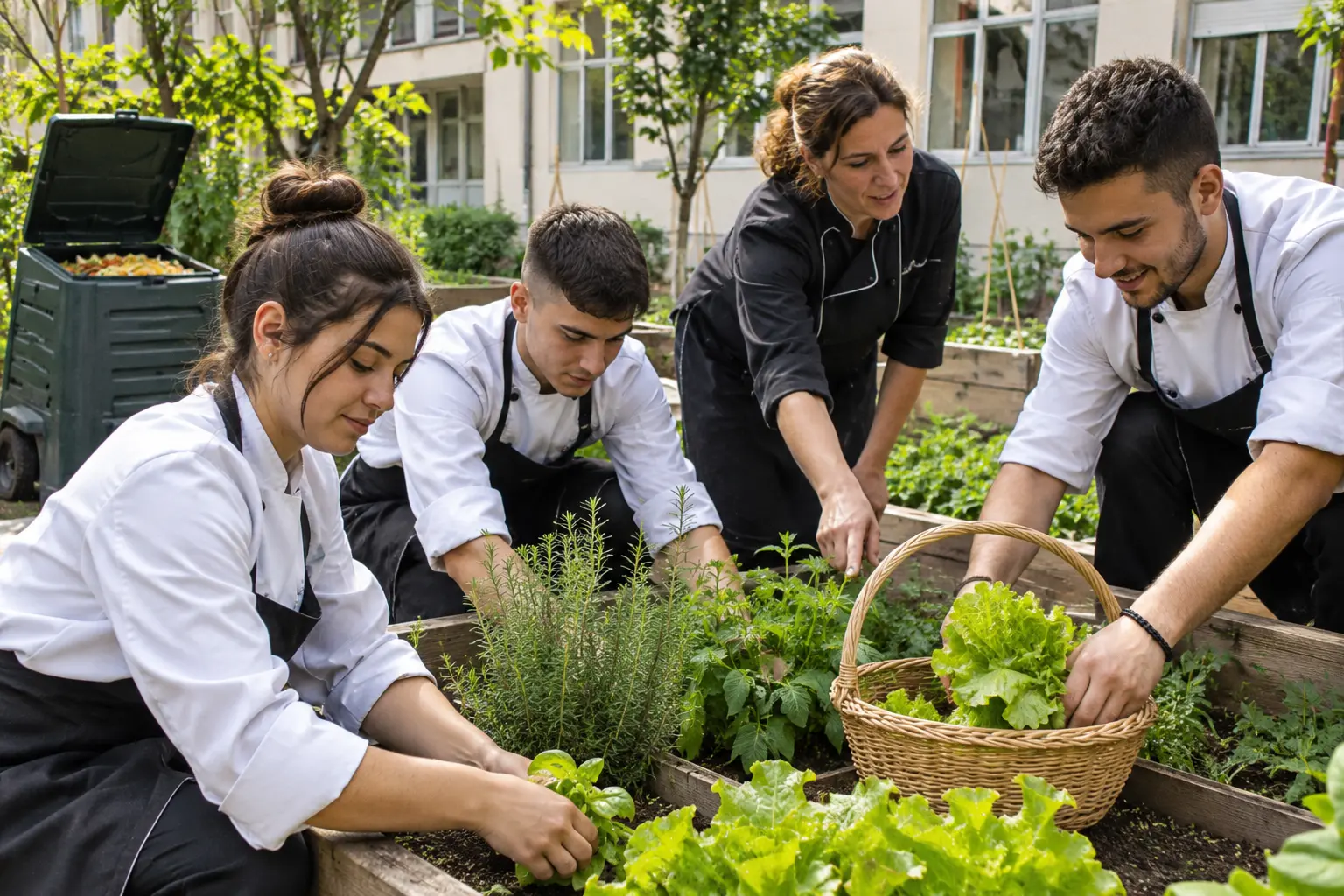
In summary, small gardens in schools, hotels, or restaurants promote:
- Hands-on learning of the full circular food system and awareness about what the real value of food.
- The reduction of food miles and therefore the carbon foot print of production, transport and eliminates packaging by at least partially producing one’s own food.
- The use of native plant varieties (GSTC D3.2), which supports local and regional biodiversity as well as the honouring of local culinary heritage, which in turn is a main point of attraction for tourists and visitors.
- Cultivating one’s own ingredients generates a profound awareness of seasonality but also of the distinct superior quality of home grown produce.
Examples and Case Studies
Case Study 1: Compost bin in Lycée Vauban
This good practice demonstrates how a vocational hospitality school can integrate composting into everyday learning to reduce food waste and promote circular economy principles. By installing compost bins and involving students in the collection, monitoring, and reuse of organic waste, the initiative transforms kitchen leftovers into a valuable resource for gardening and green spaces. The hands-on approach strengthens students’ understanding of sustainable resource management while complementing their vocational training. Through practical experience, learners develop environmental awareness and acquire transferable skills that support more sustainable practices in the hospitality and tourism sector.
Case Study 2: Lycée Polyvalent Hôtelier Marguerite Yourcenar
Sustainability is embedded across all aspects of learning at Lycée Polyvalent Hôtelier Marguerite Yourcenar, where students are encouraged to adopt environmentally responsible practices throughout their vocational training. From sustainable food procurement and efficient resource use to waste prevention and responsible hospitality operations, learners apply circular economy principles in authentic working environments. This integrated approach combines technical skills with environmental awareness, enabling future hospitality professionals to understand the practical value of sustainable management and to transfer these practices into their future workplaces. The kitchen garden serves as a living learning space where students grow herbs, fruits, and vegetables while gaining practical experience in sustainable food production. It strengthens the connection between food cultivation, seasonal ingredients, and responsible resource management, encouraging learners to appreciate the principles of local sourcing and the circular economy.
Case Study 3: Essgarten
Essgarten is a circular tourism initiative in Germany that combines sustainable food production, biodiversity conservation, and experiential tourism through an edible forest garden. Covering 2.4 hectares and home to around 1,200 edible plant species, the project offers guided tours, foraging experiences, cooking and fermentation workshops, and seasonal dining events using ingredients harvested directly from the garden. By promoting local, seasonal food production and preserving surplus produce, Essgarten demonstrates how tourism can reduce food waste while supporting regenerative agriculture and environmental education. The initiative also serves as a learning hub for visitors and tourism professionals, showcasing a replicable model that integrates gastronomy, nature conservation, and sustainable tourism practices.