Lessons from Lille: Sustainable Hospitality and Circular Tourism in Practice
As tourism continues to grow across Europe, destinations are increasingly facing the challenge of balancing economic development with environmental responsibility. In Albania, the tourism sector has experienced rapid growth in recent years, creating new opportunities for businesses, local communities, and young professionals. At the same time, this growth highlights the importance of adopting more sustainable and circular approaches within tourism and hospitality.
Within the framework of the Erasmus+ project Circular Tourism, representatives from Albanian VET institutions participated in a study visit to Lille, France, aimed at exploring innovative practices related to sustainable tourism, circular economy, and responsible hospitality. The visit brought together educators and stakeholders to exchange experiences, discover practical examples, and strengthen European cooperation in support of greener tourism education and practices.
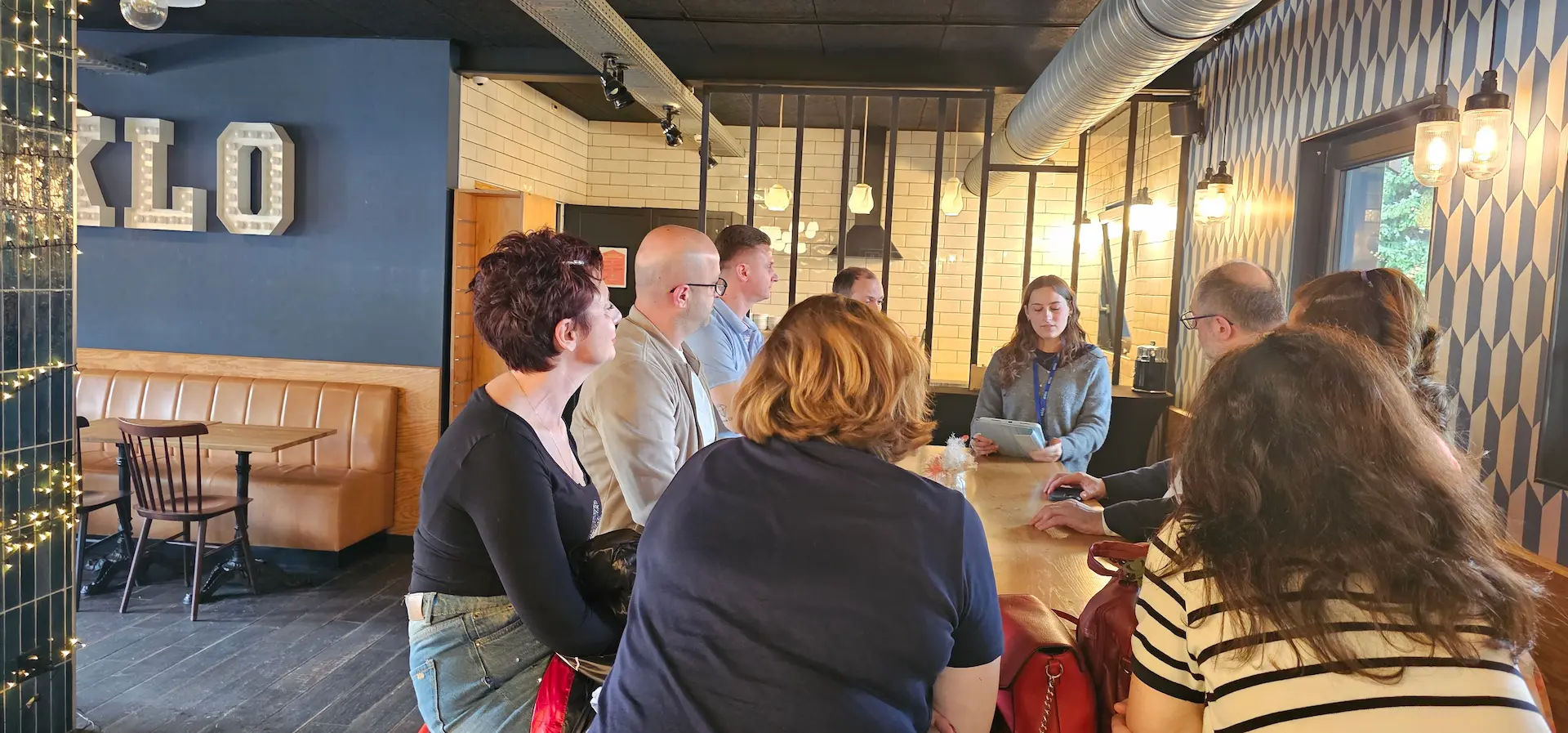
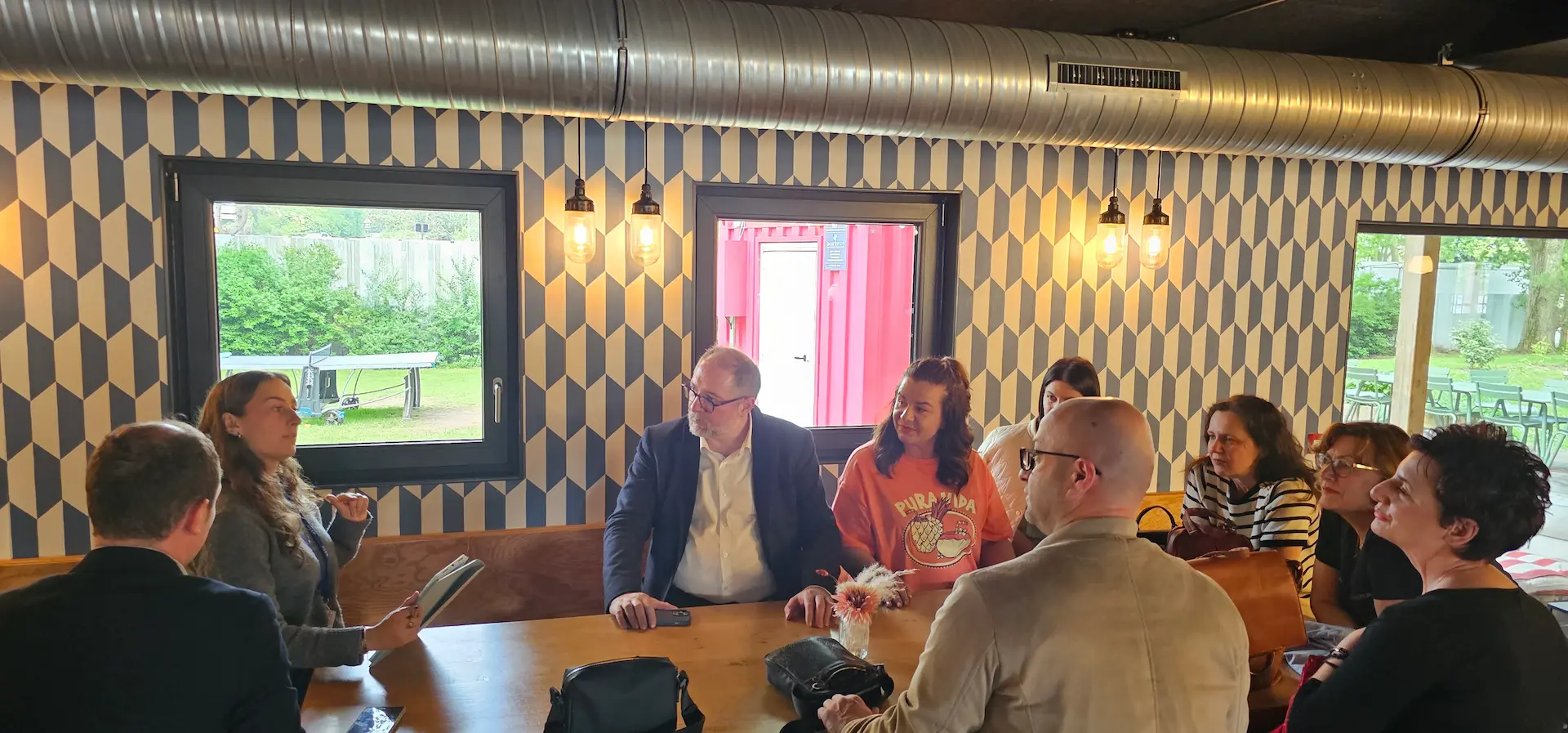
The study visit started with a welcoming and organisational session hosted by EURAKOM in Lille, where participants had the opportunity to introduce themselves, discuss expectations, and better understand the objectives of the mobility. This first meeting created an open environment for collaboration and exchange between participants coming from different educational and professional backgrounds.
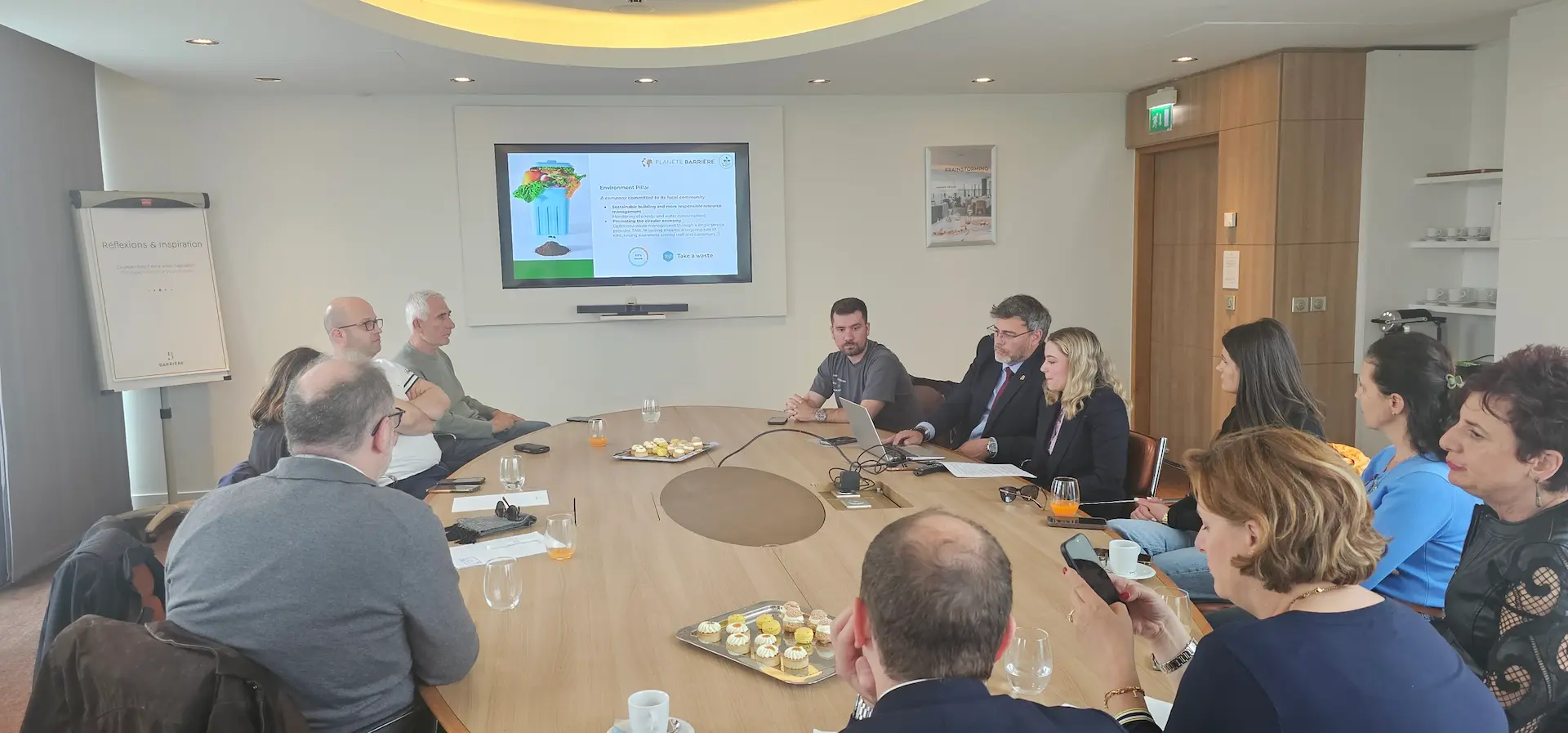
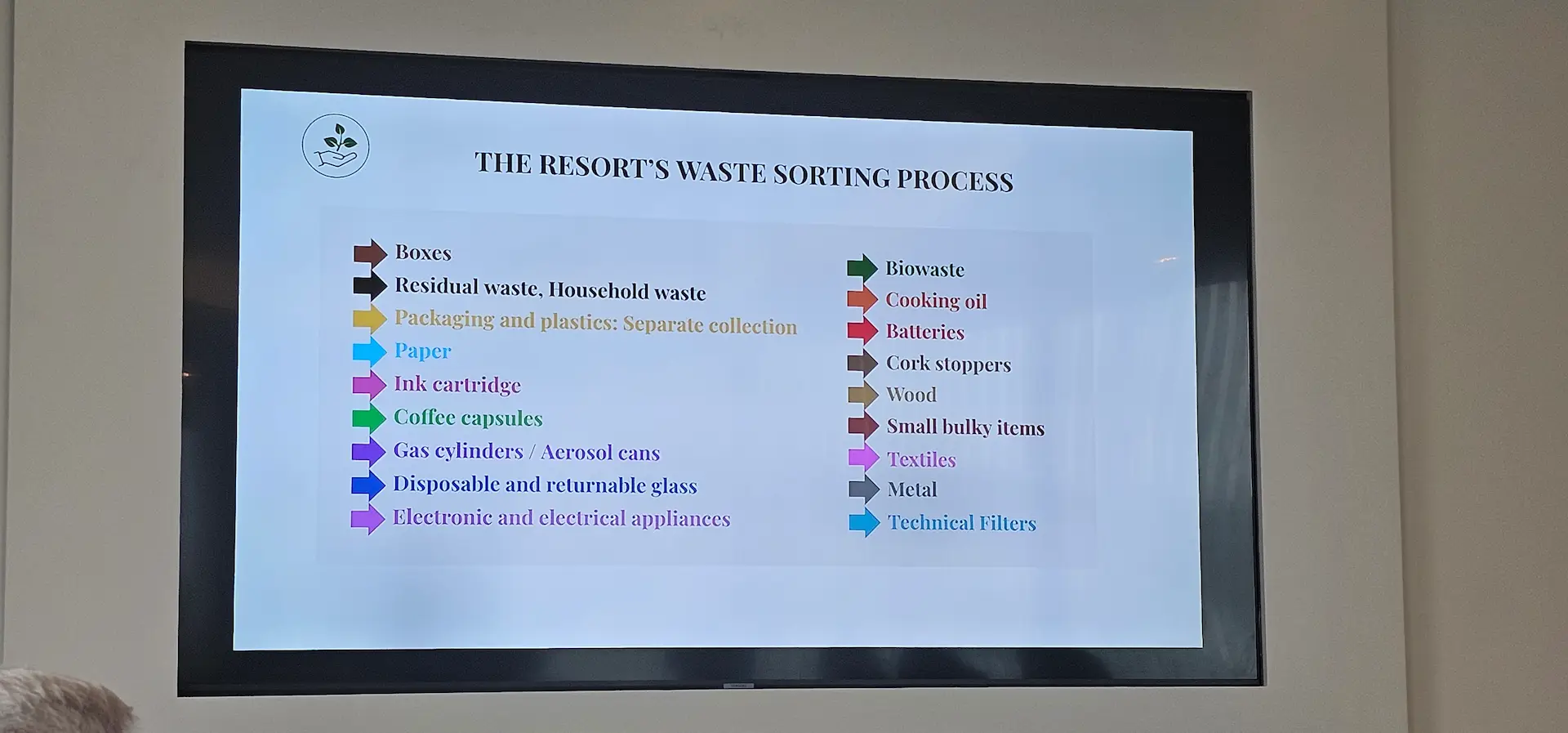
One of the first key activities of the programme was the visit to EKLO Hotel, a hospitality concept recognised for its responsible and sustainable approach. During the presentation of “EKLO Responsible,” participants learned how sustainability can be integrated into daily hotel operations through practical and realistic measures. Topics discussed included waste reduction, energy efficiency, responsible consumption, and environmentally friendly management practices.
The visit demonstrated that sustainability in hospitality is not only about large investments or complex systems, but also about adopting everyday practices that contribute to reducing environmental impact while maintaining quality services for guests. For Albanian participants, the experience provided valuable inspiration on how similar approaches could gradually be introduced within tourism businesses and vocational education activities in Albania.
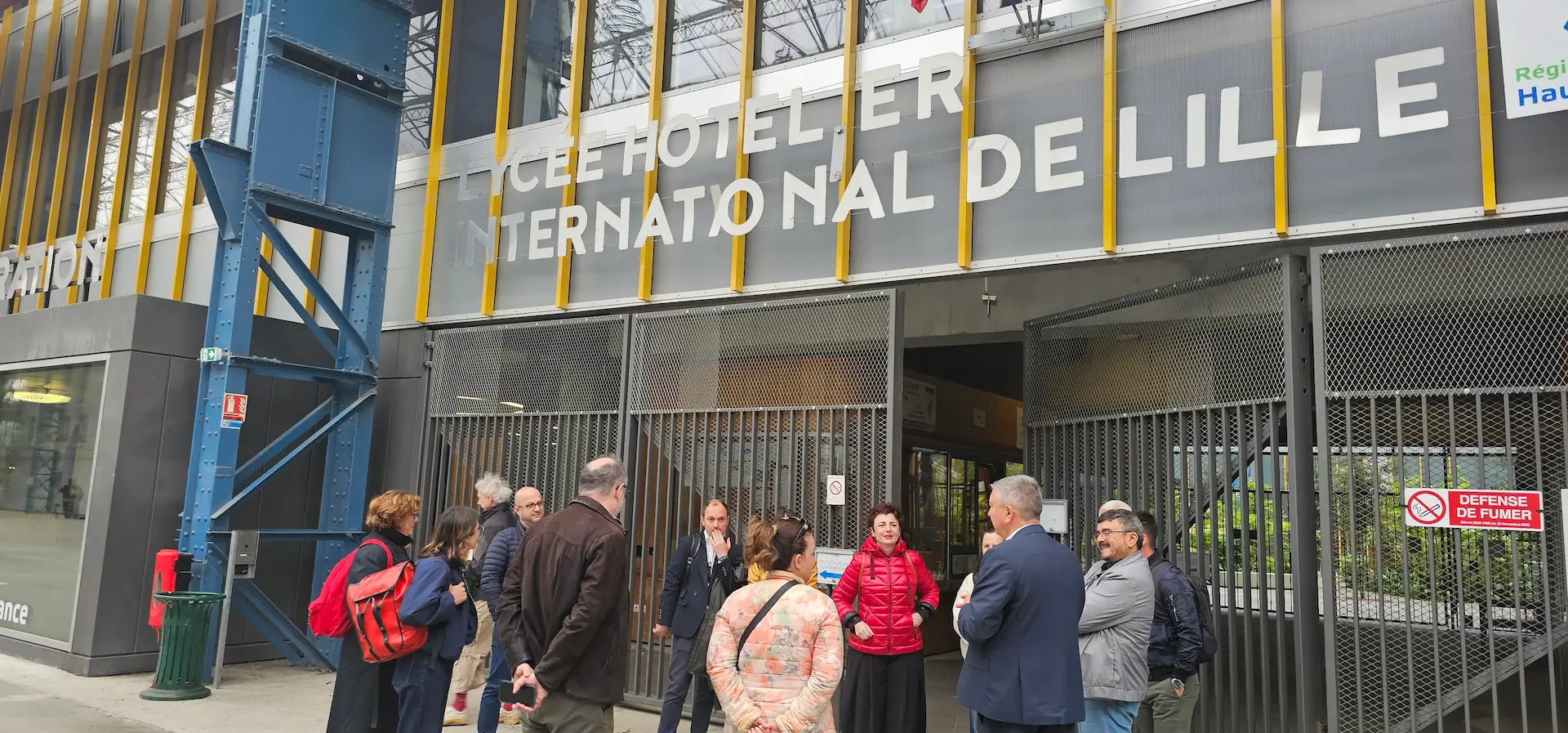
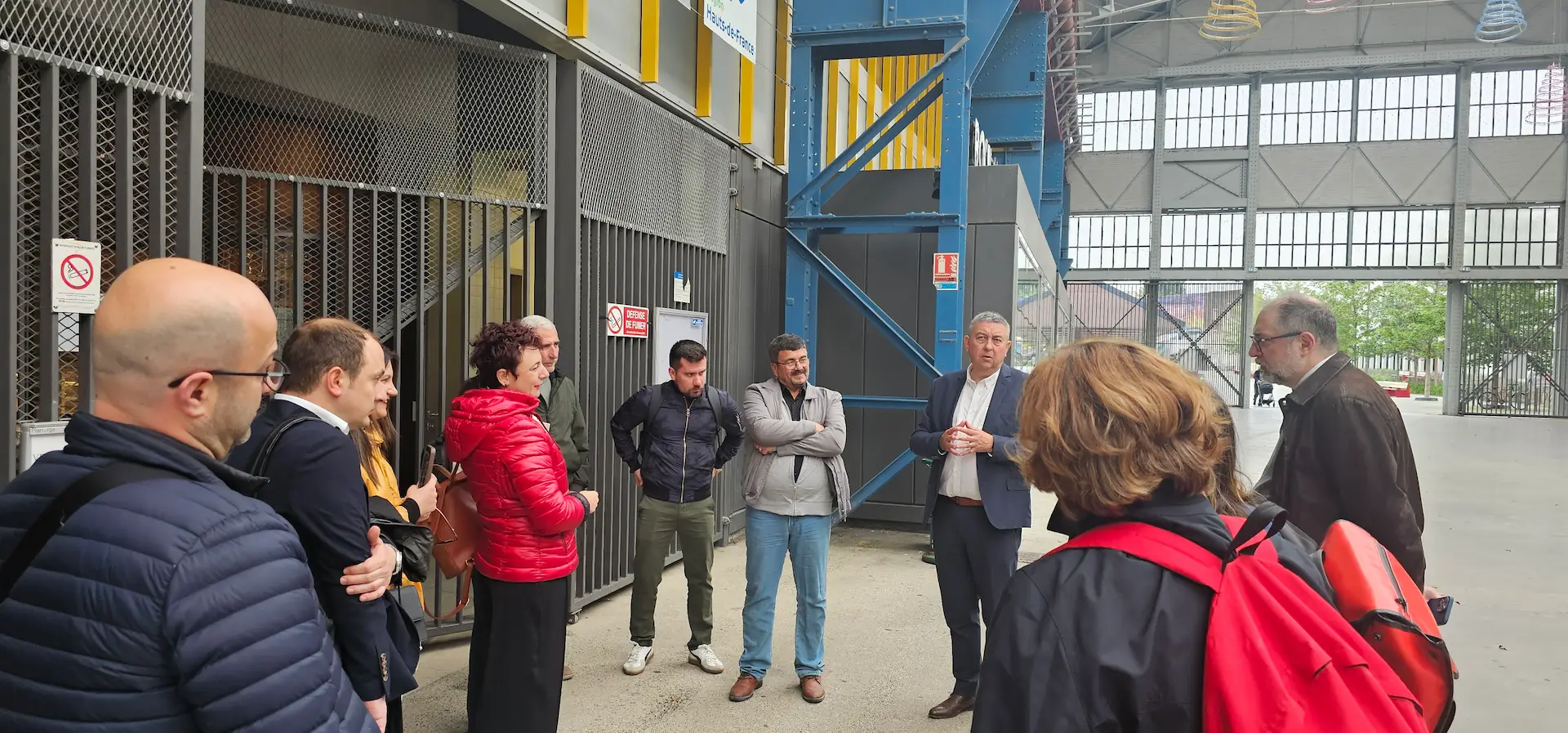
Another important part of the mobility was the visit to LHIL Hospitality School, where participants explored the institution’s educational approach, facilities, and collaboration with the tourism sector. Discussions with the educational community focused on practical learning methodologies, student preparation for the labour market, and the integration of sustainability concepts into hospitality education.
The exchange highlighted the importance of combining theoretical knowledge with hands-on experience, especially in sectors such as tourism and hospitality where practical skills are essential. Participants also reflected on the growing need for educational institutions to adapt their curricula in line with green and digital transitions, ensuring that future professionals are equipped with the competencies required by a changing tourism industry.
The study visit also offered valuable examples of circular economy practices in action. During the visit to Hopen Source Cantina, participants experienced an eco-responsible and zero-waste concept that promotes sustainable food practices and conscious consumption. The activity demonstrated how restaurants and hospitality businesses can reduce waste while creating innovative and attractive customer experiences.
This practical example encouraged participants to reflect on the role that tourism and hospitality businesses can play in promoting more sustainable lifestyles and supporting local environmental goals. It also showed that circular economy principles can be implemented in creative and accessible ways that generate both environmental and economic value.
Another inspiring experience was the visit to Tissel Factory in Roubaix, where participants explored circular economy initiatives linked to reuse, recycling, and sustainable production. The visit offered a broader perspective on how circular approaches can be integrated into local economies and connected to tourism, culture, and community development.
The discussions during the visit highlighted the importance of rethinking production and consumption models in order to reduce waste and maximise the use of resources. Participants also exchanged ideas on how similar initiatives could inspire educational projects, awareness activities, and future collaborations in Albania.
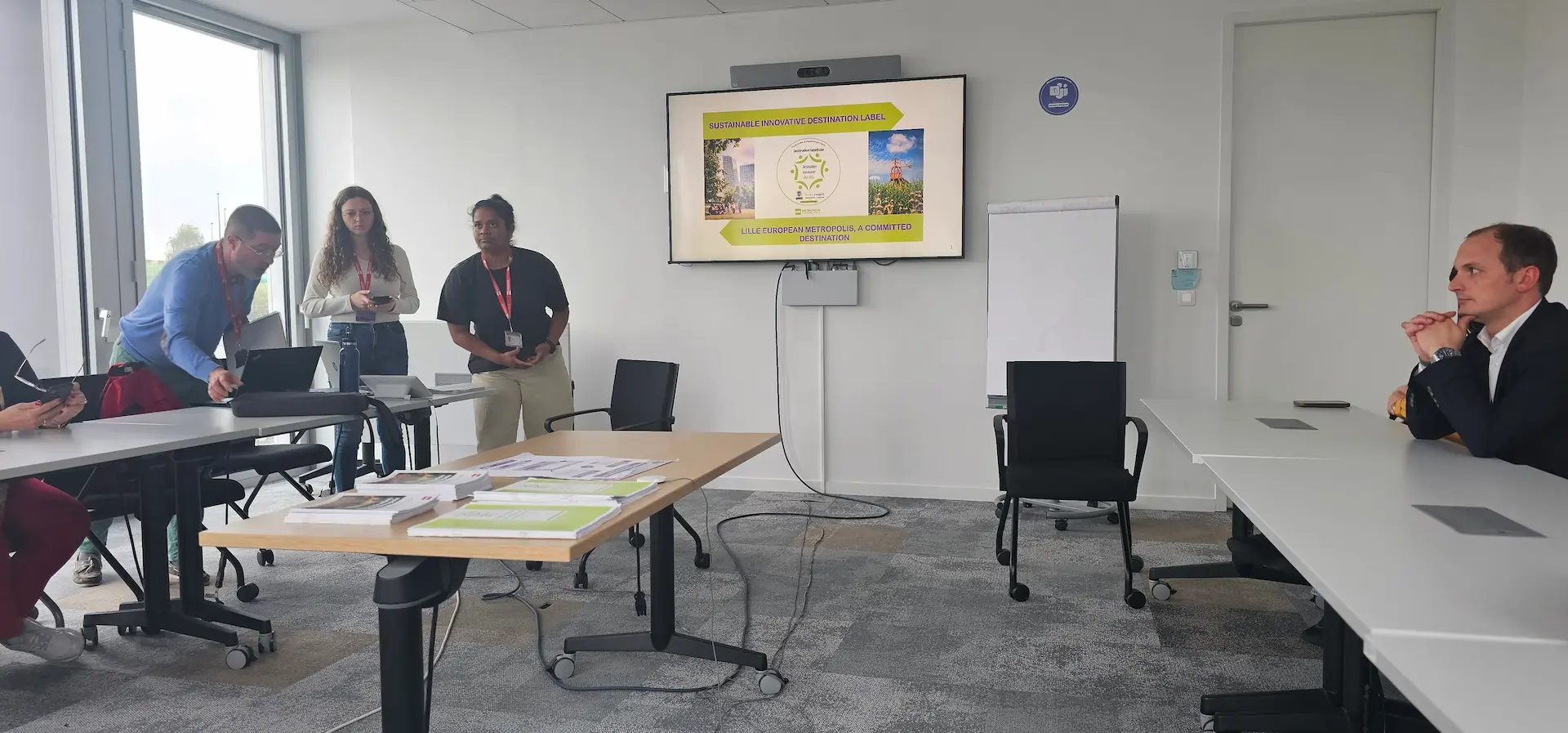
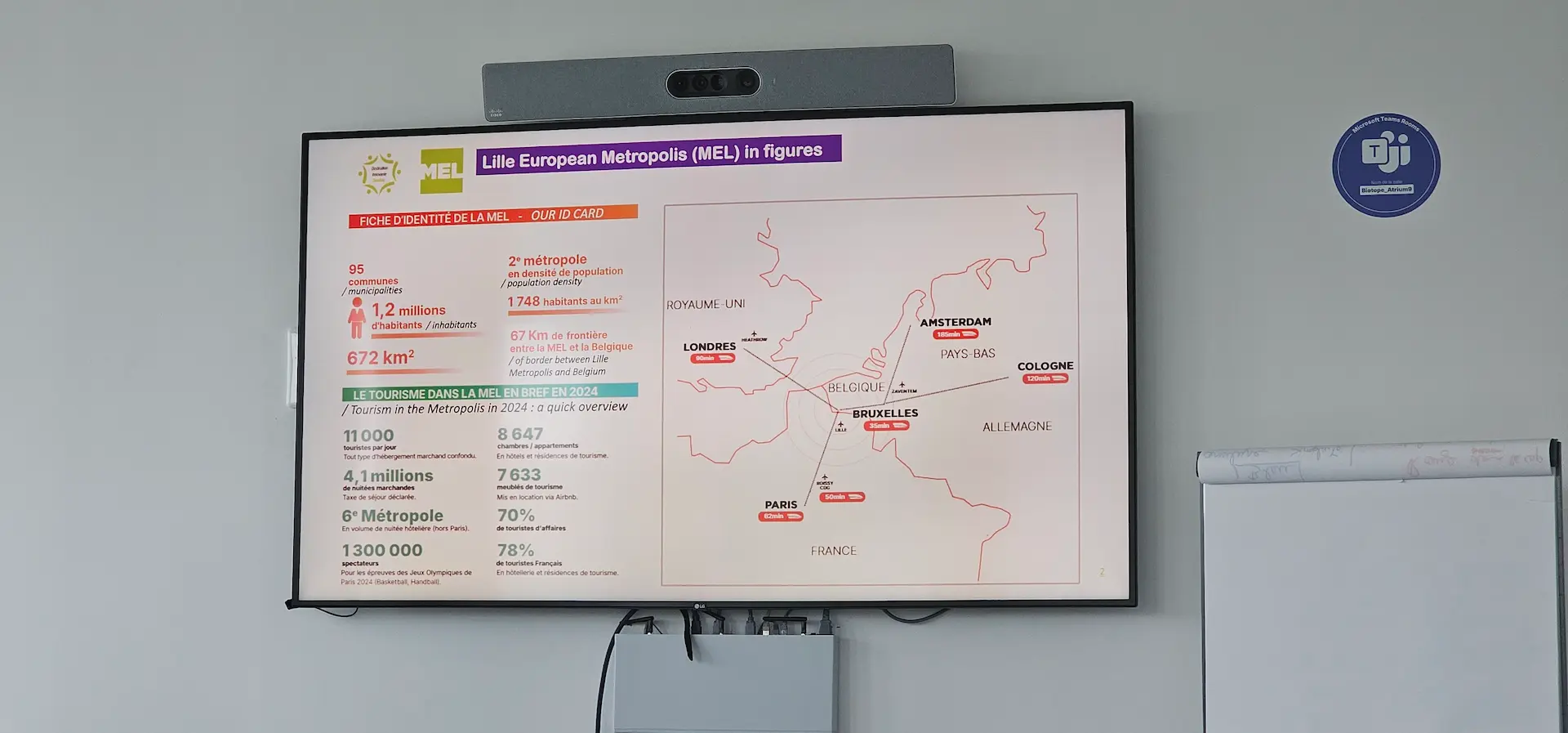
In addition to visits focused on hospitality and circular economy, the programme also included a meeting with the Métropole Européenne de Lille regarding the initiative “Destination Innovante et Durable.” This session provided valuable insights into how local authorities and tourism stakeholders collaborate to build more sustainable and innovative tourism destinations.
Participants learned about the importance of long-term planning, stakeholder cooperation, and integrated strategies for sustainable tourism development. The discussions emphasised that creating sustainable destinations requires collaboration between educational institutions, public authorities, businesses, and local communities.
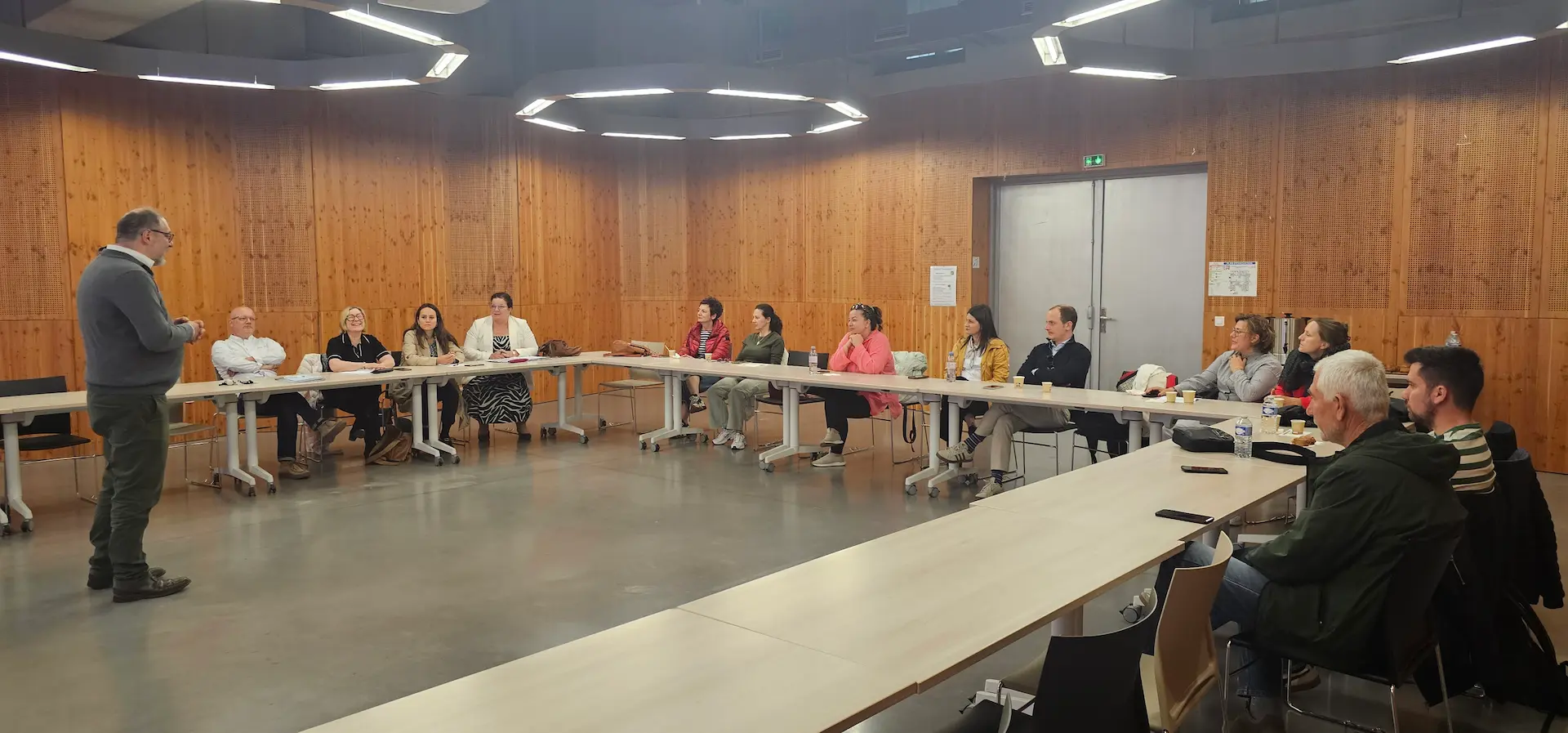
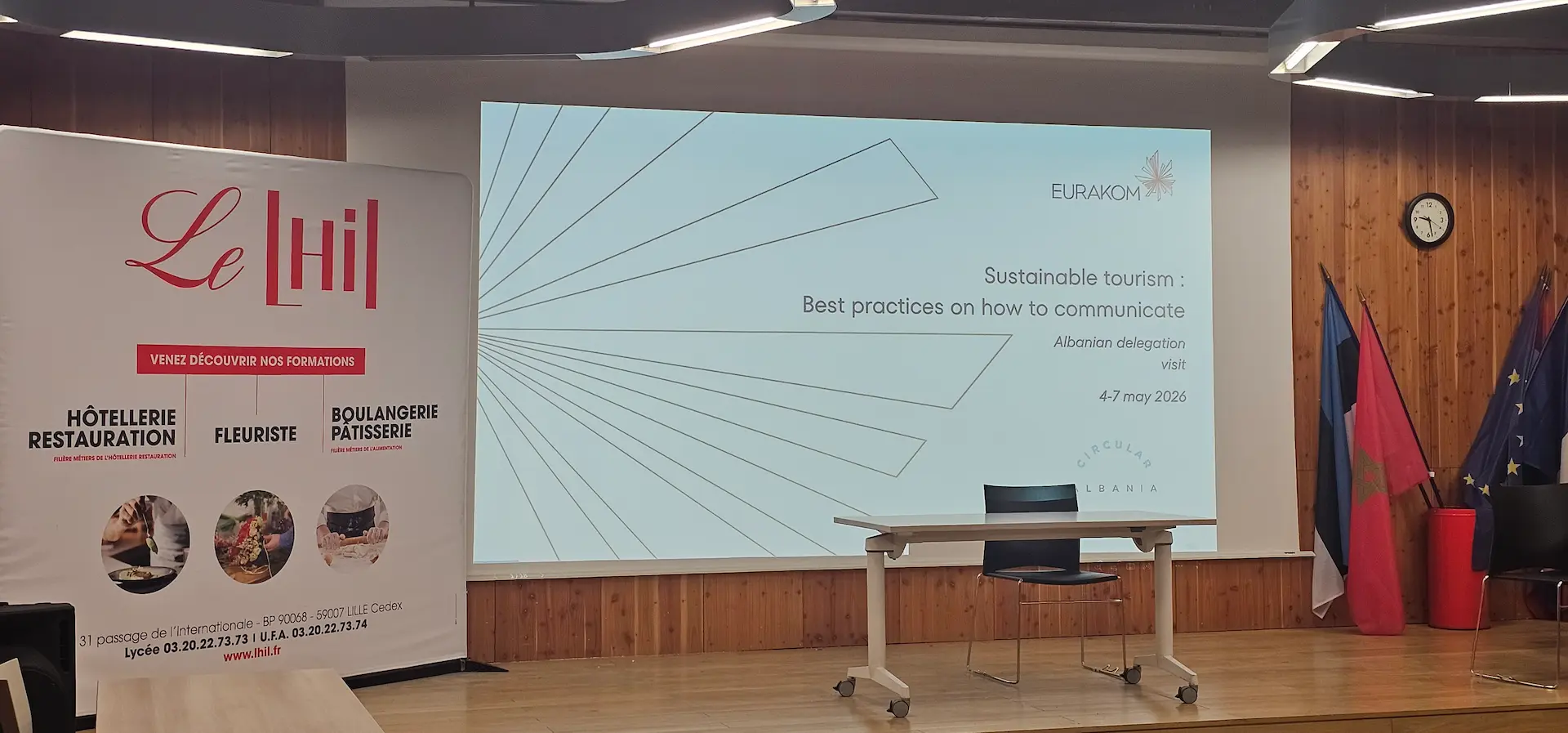
The France study visit represented more than a learning experience. It served as a platform for exchanging ideas, strengthening partnerships, and identifying practical solutions that can support the green transition of tourism education and businesses in Albania.
For the Albanian VET schools involved in the project, the mobility created opportunities to reflect on how European practices can inspire local improvements in teaching methodologies, sustainability awareness, and cooperation with tourism stakeholders. Experiences such as those observed in Lille can contribute to strengthening tourism education by encouraging more practical learning approaches, promoting responsible tourism values, and supporting the development of green skills among students and educators.
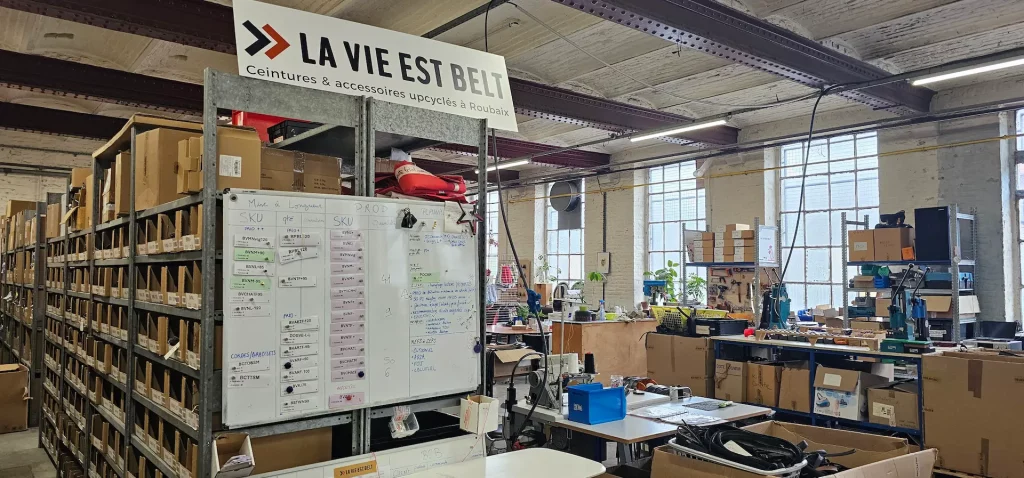
The Circular Tourism project continues to demonstrate the importance of international cooperation in addressing shared challenges related to sustainability and tourism development. By connecting VET institutions, tourism professionals, and organisations from different European countries, the project supports the exchange of knowledge and encourages innovative approaches that can create long-term positive impact.
As Albania continues to position itself as an emerging tourism destination, initiatives focused on sustainability, circular economy, and green skills will become increasingly important. The experiences gained during the study visit in Lille represent an important step toward building a more responsible, innovative, and sustainable tourism sector for the future.
Funded by the European Union. Views and opinions expressed are however those of the author(s) only and do not necessarily reflect those of the European Union or the European Education and Culture Executive Agency (EACEA). Neither the European Union nor EACEA can be held responsible for them.