Site Visits
Study Visit in France
Experiencing sustainable operations and circular economy principles firsthand in Lille and Roubaix
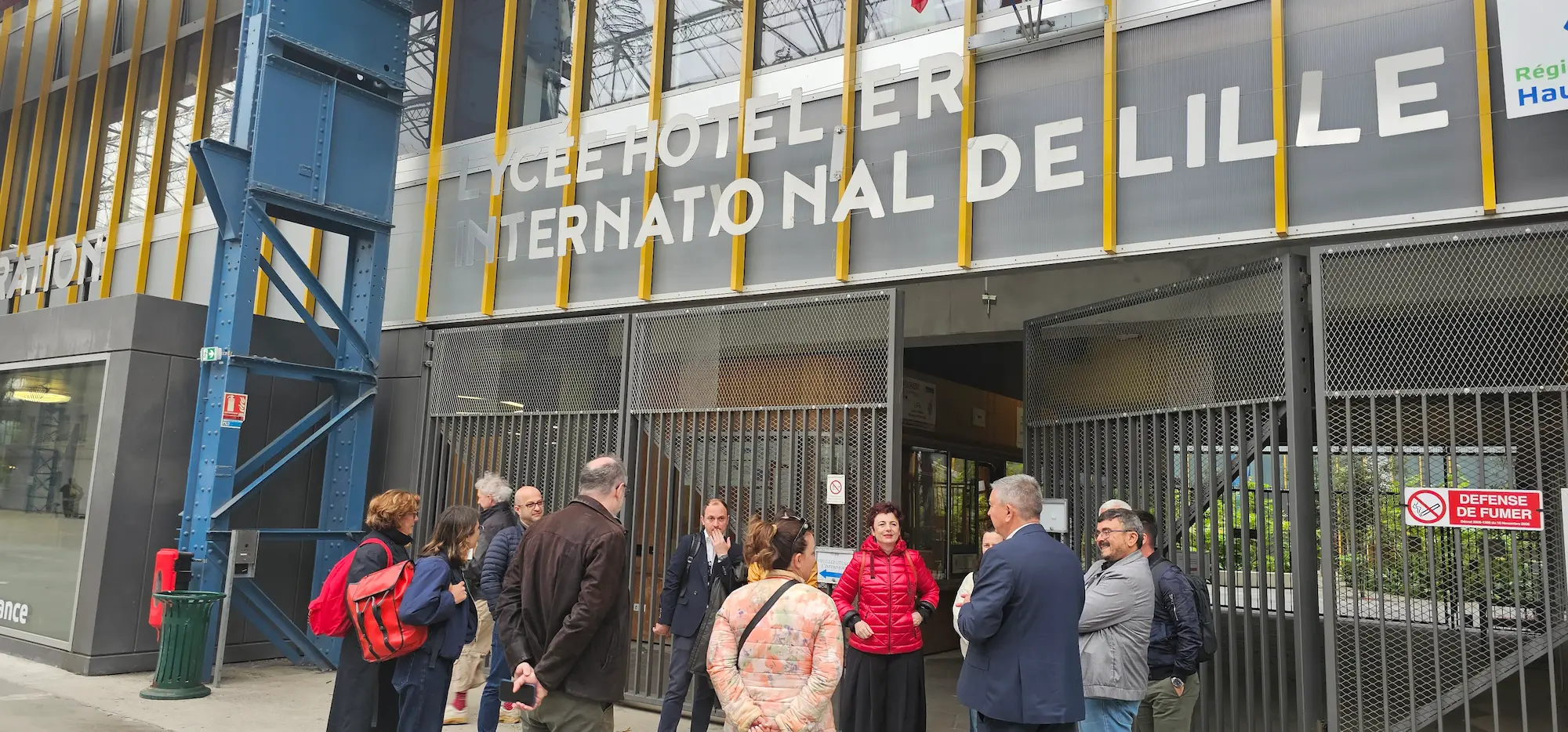
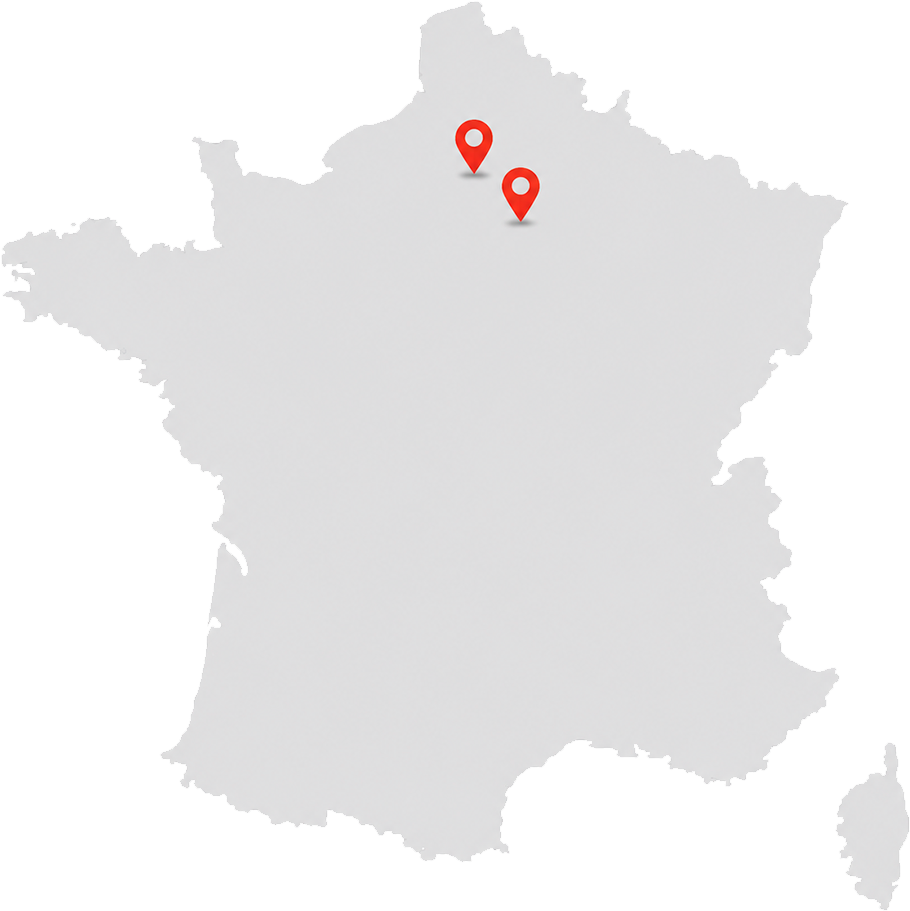
Between 4th and 7th of May 2026 EURAKOM welcomed a group of 10 Albanian professionals for a Study Visit to France, which included visits in Lille and Roubaix. Lille is the capital of the Hauts-de-France Region and received the label “Destination Innovante et Durable” in 2024. Roubaix is well known for its Zero Waste initiatives, which are highly relevant examples for the implementation of circular economy initiatives. The Study visit offered an opportunity to meet with both VET educators, tourism professionals and businesses to learn about their sustainable and circular operations as well as understand how sustainability is integrated into French curricula.
Our Objectives
The main aim of the trip was to provide practical examples of the implementation of circular principles both in the education and the business context in order to inspire the participants to integrate sustainable and circular practices into their daily teaching and managing practice when they return to Albania. Experiencing these practices first-hand was also seen as a way to make the circular economy more tangible for participants and prepare them for the more theoretical training prepared by the partnership in the subsequent months.
The Participants
The mobility engaged a delegation of 10 Albanian participants: Two staff members each from our partner VET schools in Vlore, Saranda, and Elbasan, one staff member of the Chamber of Commerce and Industry in Tirana and AULEDA, and 2 SME representatives. The Campus Innovation Tourisme Hauts-de-France, who is an associated partner of the project also participated during the first day, to share about their work and generate potential links between French VET schools in the region and the participating partner schools from Albania.
The Visit
The agenda combined site visits, lectures, and discussion rounds with various experts and stakeholders, both from VET education and economy:
The visit started on the 4th of May with a stay at EKLO Hotel in Lille and a presentation by their team about their sustainable practices. The participants spent the night at the hotel to understand how the hotel operates in practice. Eklo Hotels places sustainability at the heart of its operations through eco-designed buildings, energy and water efficiency, and the use of renewable energy.
The group reduces waste with refillable toiletries, recycling, local and seasonal food sourcing, and partnerships such as Too Good To Go to combat food waste.
All Eklo hotels hold the Green Key eco-label, and the group is pursuing ambitious carbon reduction targets through its Cap 2030 sustainability strategy.
The morning on the 5th of May was spent at the Lille International Hospitality School, where the participants were guided through the premises by the director (Proviseur) Didier Rys. The participants had the opportunity to stay at the application hotel of the school and gain insight into daily operations and sustainability measures.
The Study Visit further included a presentation of the label Lille – Destination Innovate et Durable by the Metropole Européenne de Lille (MEL). Lille Destination Innovate & Durable (LDID) promotes the Lille metropolitan area as a destination for sustainable business tourism and innovation. It supports the development of responsible events, encourages collaboration between local stakeholders, and showcases the region’s economic and environmental strengths. LDID helps position Lille as a leading destination for sustainable meetings, conferences, and business initiatives.
The Presentation of Planète Barrière and visit of the Hotel Barrière Lille offered a contrast to EKLO visited on the previous day, demonstrating how sustainability measures are applied in a 5-star hotel. Resort Barrière Lille is a luxury hotel, casino, and events venue that integrates sustainability through its Planète Barrière CSR strategy. Its initiatives include reducing energy and water consumption, replacing single-use plastics, recycling waste and soaps, and sourcing 50% of its energy from renewable sources. The resort also supports biodiversity, responsible procurement, and inclusive community partnerships while targeting a 25% reduction in greenhouse gas emissions by 2030.
The group of participants enjoyed a presentation by EURAKOM about sustainable communications on the second day of the Study Visit, just before an exchange with the education community of the Lille International Hospitality school. The discussion centred around the differences between the two education systems in France and Albania, the level to which sustainability is present in curricula as well as opportunities for future collaboration between French and Albanian schools.
The afternoon was spent with lunch and a visit of Tissel Nouveau Monde in Roubaix just north of Lille. Tissel Nouveau Monde is an 11,000 m² circular economy hub in Roubaix, transforming a former textile factory into a collaborative manufacturing space. It brings together businesses and organizations in sectors such as textiles, construction, mobility, and recycling to produce more sustainably. The hub supports local manufacturing, resource sharing, innovation, and job creation while promoting reuse and waste reduction. It also hosts workshops, guided tours, and events to raise awareness of circular economy practices and sustainable production.
Food options during the study visit were carefully chosen and included restaurants with local product sourcing, zero waste measures and regional dishes. For example, Hopen Source is a café-canteen in Lille committed to sustainability through 100% homemade meals prepared with organic, locally sourced, and seasonal ingredients. The menu changes regularly based on seasonal availability, helping reduce food waste while supporting local producers. The restaurant also offers vegan, gluten-free, and lactose-free options, promoting environmentally responsible and inclusive dining.
Study Visit In Germany
Experiencing sustainable operations and circular economy principles firsthand in Lille and Roubaix
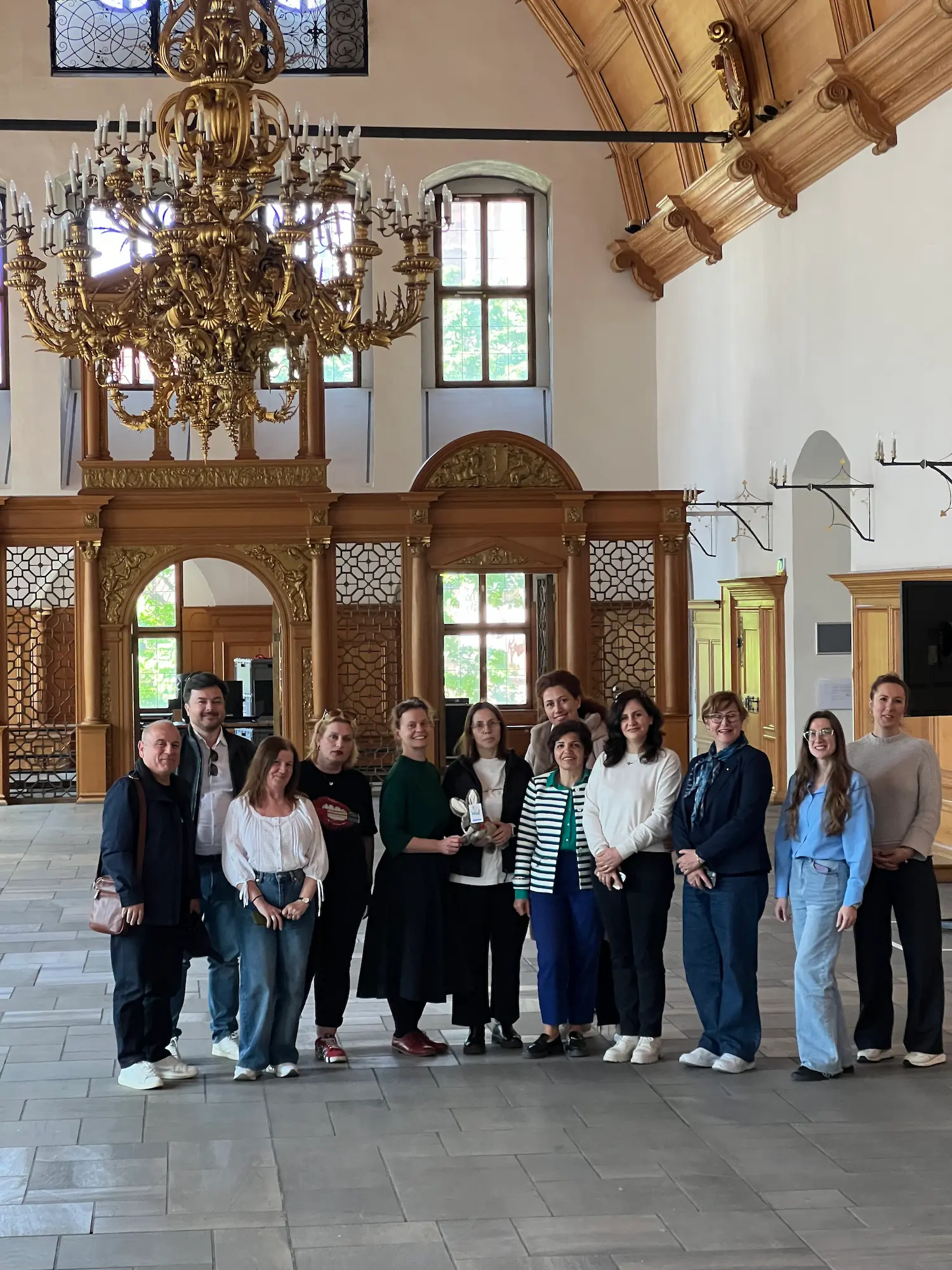
Between 4th and 7th of May 2026 EURAKOM welcomed a group of 10 Albanian professionals for a Study Visit to France, which included visits in Lille and Roubaix. Lille is the capital of the Hauts-de-France Region and received the label “Destination Innovante et Durable” in 2024. Roubaix is well known for its Zero Waste initiatives, which are highly relevant examples for the implementation of circular economy initiatives. The Study visit offered an opportunity to meet with both VET educators, tourism professionals and businesses to learn about their sustainable and circular operations as well as understand how sustainability is integrated into French curricula.
Our Objectives
The main aim of the trip was to provide practical examples of the implementation of circular principles both in the education and the business context in order to inspire the participants to integrate sustainable and circular practices into their daily teaching and managing practice when they return to Albania. Experiencing these practices first-hand was also seen as a way to make the circular economy more tangible for participants and prepare them for the more theoretical training prepared by the partnership in the subsequent months.
The Participants
The mobility engaged a delegation of 10 Albanian participants: Two staff members each from our partner VET schools in Vlore, Saranda, and Elbasan, one staff member of the Chamber of Commerce and Industry in Tirana and AULEDA, and 2 SME representatives. The Campus Innovation Tourisme Hauts-de-France, who is an associated partner of the project also participated during the first day, to share about their work and generate potential links between French VET schools in the region and the participating partner schools from Albania.
The Visit
The agenda combined site visits, lectures, and discussion rounds with various experts and stakeholders, both from VET education and economy:
The visit started on the 4th of May with a stay at EKLO Hotel in Lille and a presentation by their team about their sustainable practices. The participants spent the night at the hotel to understand how the hotel operates in practice. Eklo Hotels places sustainability at the heart of its operations through eco-designed buildings, energy and water efficiency, and the use of renewable energy.
The group reduces waste with refillable toiletries, recycling, local and seasonal food sourcing, and partnerships such as Too Good To Go to combat food waste.
All Eklo hotels hold the Green Key eco-label, and the group is pursuing ambitious carbon reduction targets through its Cap 2030 sustainability strategy.
The morning on the 5th of May was spent at the Lille International Hospitality School, where the participants were guided through the premises by the director (Proviseur) Didier Rys. The participants had the opportunity to stay at the application hotel of the school and gain insight into daily operations and sustainability measures.
The Study Visit further included a presentation of the label Lille – Destination Innovate et Durable by the Metropole Européenne de Lille (MEL). Lille Destination Innovate & Durable (LDID) promotes the Lille metropolitan area as a destination for sustainable business tourism and innovation. It supports the development of responsible events, encourages collaboration between local stakeholders, and showcases the region’s economic and environmental strengths. LDID helps position Lille as a leading destination for sustainable meetings, conferences, and business initiatives.
The Presentation of Planète Barrière and visit of the Hotel Barrière Lille offered a contrast to EKLO visited on the previous day, demonstrating how sustainability measures are applied in a 5-star hotel. Resort Barrière Lille is a luxury hotel, casino, and events venue that integrates sustainability through its Planète Barrière CSR strategy. Its initiatives include reducing energy and water consumption, replacing single-use plastics, recycling waste and soaps, and sourcing 50% of its energy from renewable sources. The resort also supports biodiversity, responsible procurement, and inclusive community partnerships while targeting a 25% reduction in greenhouse gas emissions by 2030.
The group of participants enjoyed a presentation by EURAKOM about sustainable communications on the second day of the Study Visit, just before an exchange with the education community of the Lille International Hospitality school. The discussion centred around the differences between the two education systems in France and Albania, the level to which sustainability is present in curricula as well as opportunities for future collaboration between French and Albanian schools.
The afternoon was spent with lunch and a visit of Tissel Nouveau Monde in Roubaix just north of Lille. Tissel Nouveau Monde is an 11,000 m² circular economy hub in Roubaix, transforming a former textile factory into a collaborative manufacturing space. It brings together businesses and organizations in sectors such as textiles, construction, mobility, and recycling to produce more sustainably. The hub supports local manufacturing, resource sharing, innovation, and job creation while promoting reuse and waste reduction. It also hosts workshops, guided tours, and events to raise awareness of circular economy practices and sustainable production.
Food options during the study visit were carefully chosen and included restaurants with local product sourcing, zero waste measures and regional dishes. For example, Hopen Source is a café-canteen in Lille committed to sustainability through 100% homemade meals prepared with organic, locally sourced, and seasonal ingredients. The menu changes regularly based on seasonal availability, helping reduce food waste while supporting local producers. The restaurant also offers vegan, gluten-free, and lactose-free options, promoting environmentally responsible and inclusive dining.