Core Section A: Introduction
Concept Explanation
Protecting natural resources and biodiversity is a key principle of a circular economy approach that reduces waste, keeps materials and resources in use for as long as possible, and protects the natural environment. When we talk about this concept in tourism, we want to encourage reducing consumption, reusing products, repairing items, recycling materials, and using natural resources responsibly - both as guests and tourism operations.

A circular tourism approach means to, on the one hand, capitalize on the natural resources such as water (both for consumption and recreation), forests, mountains, beaches, soil, clean air, and wildlife - but it must also seek to regenerate them and to protect the biodiversity, which is the variety of living organisms, including plants, animals, insects, fungi, and microorganisms, around us. Healthy biodiversity supports clean water, fertile soil, climate regulation, pollination, and beautiful landscapes - all of which are essential for the attractiveness of a tourism destination: Tourism depends directly on the quality of the natural environment. Visitors travel to enjoy beautiful cultural landscapes, protected areas, beaches, rivers, and local wildlife. If these resources are damaged by pollution, overuse, illegal construction, waste, or habitat destruction, destinations become less attractive, local communities lose income, and ecosystems become less resilient.
Accordingly, protecting natural resources is both an environmental responsibility and a business opportunity for hospitality and tourism SMEs. Accommodation providers, restaurants, tour operators, and tourism service providers benefit from preserving the environments that attract visitors. Sustainable practices can reduce operating costs through efficient use of water and energy, minimize waste disposal costs, strengthen business reputation, meet growing customer expectations, and improve long-term competitiveness.
Basic biodiversity considerations should therefore be integrated into tourism activities and operations. This can happen on multiple levels, e.g. by
- Actively avoiding damaging sensitive habitats by promoting the principle of "Leave No Trace" with visitors
- Replacing single-use items where possible
- Using local and sustainable products
- Encouraging sustainable land management
- Reducing transport-related emissions
- Protecting native plant species, and avoid introducing invasive species
- Ppracticing water conservation and responsible wastewater management
- Considering energy efficiency
- implementing proper waste separation
- Increasing sustainability through design
The rapid growth of Albanian tourism has created important economic opportunities but also increasing environmental pressures. Popular coastal areas, mountains, rivers, and national parks experience seasonal overcrowding, waste generation, illegal dumping, habitat degradation, water shortages, and pressure from unplanned development. In some areas, wastewater treatment and recycling systems remain limited, while environmental awareness among visitors and businesses is still developing. Climate change further increases risks through rising temperatures, droughts, and wildfires, floods, coastal erosion, and connected biodiversity loss.
Addressing these challenges requires cooperation among tourism businesses, local communities, public authorities, protected area managers, and visitors. (M)SMEs can play an important role by reducing waste, improving resource efficiency, supporting conservation initiatives, educating staff and guests, working with local suppliers, and complying with environmental regulations. Even small actions, when adopted by many businesses, can have significant positive impacts.

In the following chapters, we will look at practical ways of saving water and energy by changing everyday behaviour and applying basic measurement tools, the possibilities of protecting resources through sustainable and resource-efficient design, and how to introduce the concepts in education and training. Protecting natural resources and biodiversity is not only about conserving nature; it is also about ensuring the long-term success of tourism. A circular economy helps tourism businesses create value while reducing environmental impacts, strengthening local economies, and preserving Albania's unique natural heritage for future generations.
Examples and Case Studies
- Best Practice
Institut Pere Martell is a leading public Vocational Training (FP) centre in Tarragona, Spain. The Institute offers VET Superior Degree cycles in Renewable Energies and Water Management, alongside other professional families like Graphic Arts and Automotive. Committed to quality, Pere Martell collaborates with organisations like FPEmpresa to link training centres with companies, enhancing student integration into the labour market. It provides entrepreneurship advisory services and has a long-standing history of international mobility for students and staff, participating in projects across Europe since 1992. This focus on innovation and global engagement ensures relevant, high-quality professional development.
- Example: The Green Destination Awards
The Green Destination Awards are given to destinations and companies compliant with the GSTC-recognized Green Destination Standards: After an audit, the designations are awarded in bronze, silver, gold, or platinum and are valid for 2 years. The programme involves participating in a sustainability management cycle in order to continuously improve the destinations.
There are currently 2 Albanian destinations listed in their collection: Saranda (2025 Bronze award) and Belsh (2026 Bronze award).
Methodologies and Tools
- Methodology: European Charter for Sustainable Tourism
The European Charter for Sustainable Tourism (ECST) developed by EUROPARC Federation is a practical management and governance tool used in European protected areas to develop tourism in a sustainable way, ensuring balance between environmental protection, local development and visitor experience. The ECST can be adapted as a problem-solving and systems-thinking methodology, allowing you to analyse real tourism destinations (such as national parks or coastal protected areas in Albania) and design circular tourism solutions.
The methodology is based on five core principles:
- prioritising the protection of natural and cultural heritage
- integrating environmental, social and economic sustainability
- engaging all stakeholders in decision-making processes
- planning tourism development through structured action plans
- ensuring continuous improvement through monitoring and evaluation
The Technical Guidelines give you an idea of how to approach the development of an Action Plan in different steps. Even if you are not working towards becoming a protected area, this document can help you with a structured way of thinking about the sustainability options of your operation.
Link: https://www.europarc.org/sustainable-tourism/
- Tool: ThinkTwice Toolbox and Stress Test
The ThinkTwice Stress Test is an interactive tool that helps users evaluate how environmentally sustainable their project management practices are. It uses scenario-based questions to assess decisions related to resource use, environmental impact, and sustainability in project development. It can be used as a self-assessment methodology to reflect on the ecological impact of tourism projects or operations and improve their sustainability performance.
After completing the test, users receive a personalised learning pathway with guidance and resources to enhance green project management practices. The accompanying tool box gives practical advice.
Core Section B: Practical Ways of Saving Water
Concept Explanation
Water is one of the most important natural resources for tourism. Accommodation providers, and visitor attractions depend on clean and reliable water supplies every day. Water is used for drinking, cooking, cleaning, laundry, sanitation, gardens, and recreational activities and facilities. As tourism grows in Albania, especially during the summer season, demand for water increases while, at the same time, many regions experience droughts, seasonal shortages, or ageing water infrastructure. Climate change is expected to make these challenges even greater in the years to come..
Resource efficiency will thus become one of the highest priorities in tourism. It means using water, energy, and raw materials wisely while reducing waste and protecting the environment. For hospitality and tourism SMEs, improving resource efficiency lowers operating costs, strengthens business resilience, reduces environmental impacts, and - last but not least - meets the growing expectations of environmentally conscious travellers, a growing target group for many businesses in Albania.
Saving water is also closely linked to energy efficiency and carbon footprint reduction. Water must be pumped, treated, heated, transported, and often treated again as wastewater. All these processes consume energy and generate greenhouse gas emissions. By reducing water consumption, one therefore simultaneously reduces energy use and their carbon footprint—the total greenhouse gas emissions generated directly and indirectly by your activities. Effectively, one is killing several birds with one stone when optimizing water consumption.
On a larger scale, then, efficient water management protects the overall ecosystem : Rivers, lakes, wetlands, coastal ecosystems, and groundwater provide habitats for plants and animals while supporting local communities and tourism. Excessive water use or pollution can damage these ecosystems and reduce the desirability of destinations. For Albania, where tourism depends heavily on the attractiveness of beaches, mountains, rivers, and protected areas, protecting water resources is essential for both environmental sustainability and long-term business success.
Changing Everyday Behaviours
Many water-saving measures require changes in everyday habits rather than expensive investments. Small behavioural changes adopted consistently by staff and visitors can save thousands of litres of water each year while reducing operating costs and protecting local ecosystems. A systematic approach which is communicated clearly to staff members and guests helps to implement changes in the long term, especially if you emphasize the benefits of your strategy.
Staff should be trained to use water responsibly: This includes reporting leaks immediately, and avoiding unnecessary water use during cleaning, food preparation, and laundry. Dishwashers and washing machines should only be operated with full loads, while taps should never be left running longer than necessary.
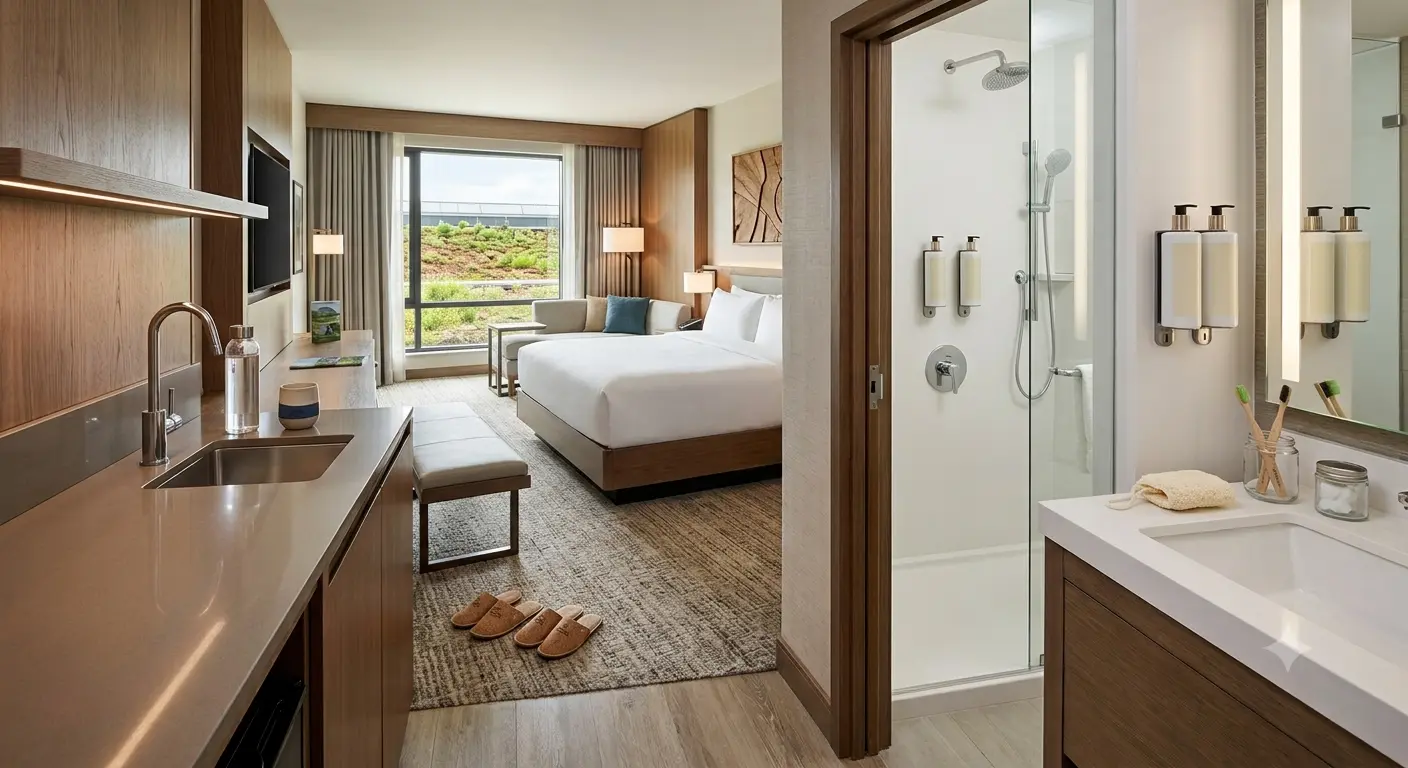
Hotels can encourage towel and linen reuse programmes, display simple water-saving messages in bathrooms, and explain how responsible water use helps protect Albania's natural environment. Clear communication often leads to positive guest participation.
Gardens should use native or drought-resistant plants that require less irrigation. Watering should take place early in the morning or in the evening to reduce evaporation.
You can actively avoid polluting rivers, lakes, and coastal waters by properly managing wastewater and using environmentally friendly cleaning products whenever possible.
Assessing the Financial Benefits and Impact of Water Efficiency Measures
When considering water-saving measures, tourism businesses should assess both the initial investment and the expected financial benefits. Costs may include purchasing equipment, installation and ongoing maintenance, while savings come from reduced water and wastewater bills and, in some cases, lower energy costs for heating water. A simple way to evaluate an investment is to calculate its payback period, which indicates how long it will take for the savings to cover the initial costs. For example, a small hotel installs 20 water-saving showerheads at a total cost of €800, including installation. If the measure reduces annual water and wastewater costs by €340, while additional maintenance costs amount to €40 per year, the net annual savings are €300. The payback period is therefore €800 ÷ €300 = 2.7 years. After this period, the hotel continues to benefit from the savings, provided the equipment remains effective.
However, measuring the actual impact of water-saving measures requires more than simply comparing water bills before and after implementation. Water consumption in tourism businesses is influenced by factors such as occupancy rates, seasonal temperatures and rainfall. For example, a hotel that consumed 750 m³ of water for 5,000 guest-nights in one year and 640 m³ for 4,000 guest-nights the following year might appear to have reduced its water consumption. However, calculating water consumption per guest-night reveals a different picture: consumption increased from 150 litres to 160 litres per guest-night. This means that the reduction in total consumption was linked to lower occupancy rather than improved efficiency. To assess actual improvements, businesses should regularly monitor water consumption relative to guest-nights or occupied rooms, compare similar periods and consider weather conditions, especially where water is used for gardens, swimming pools or other outdoor facilities. Where possible, separate metering of these activities can help distinguish genuine efficiency gains from changes in business activity or weather.
Basic Practical Measurement Tools
Effective water management begins with measuring and monitoring consumption over time. You should regularly record water meter readings, compare monthly water use, and identify unusual increases that may indicate leaks or inefficient equipment. Tracking water use per guest overnight or per meal served provides useful indicators for monitoring performance over time. Even small businesses can make informed decisions by measuring, monitoring, and continuously improving their use of natural resources.
Simple checklists can help staff inspect taps, toilets, showers, irrigation systems, and pipes for leaks. Water-saving targets, such as reducing annual consumption by a fixed percentage, help businesses evaluate progress and encourage continuous improvement.
Basic technologies can also support water efficiency. Installing low-flow taps and showerheads, dual-flush toilets, efficient washing machines, and drip irrigation systems reduces consumption while maintaining service quality. Where appropriate, rainwater harvesting can provide water for gardens or outdoor cleaning.
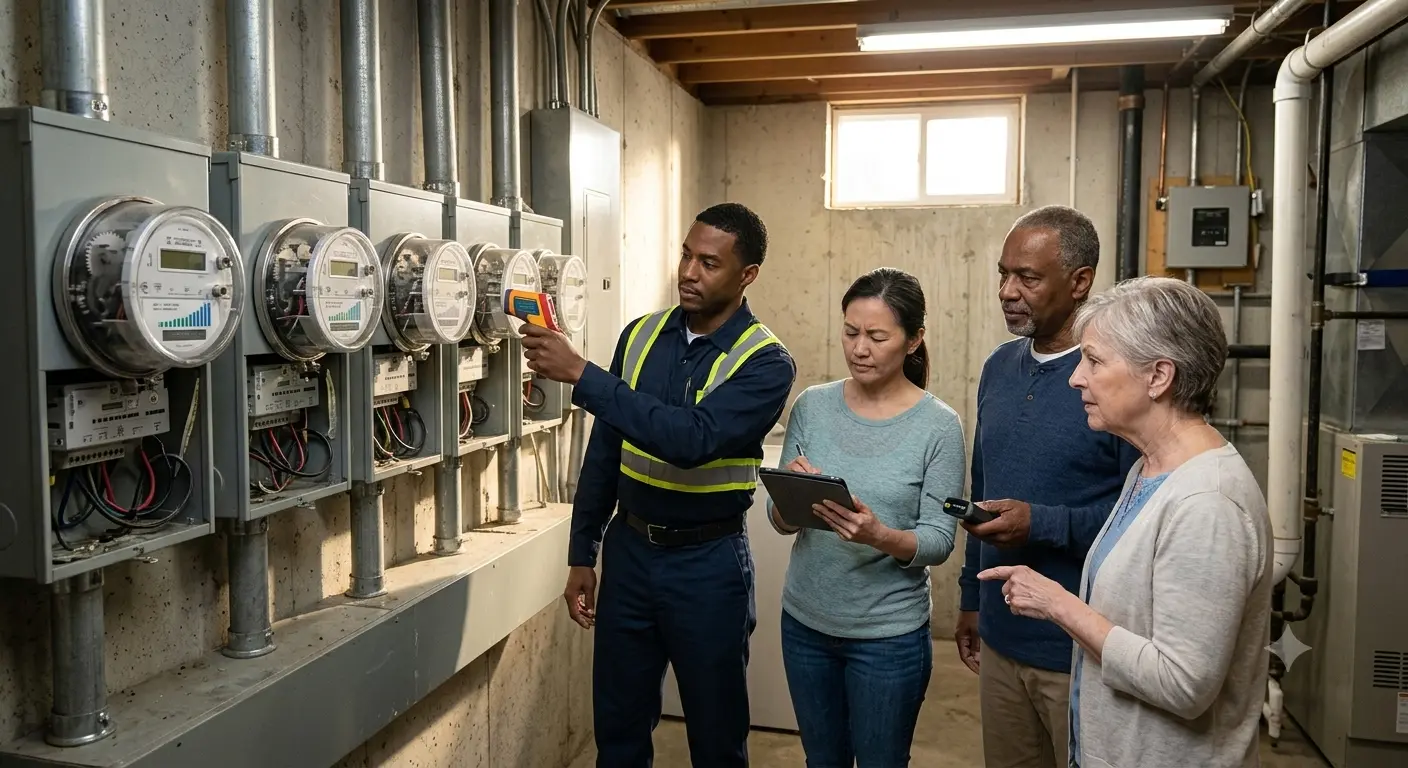
Recording water use alongside energy consumption and waste generation provides a broader picture of resource efficiency and supports simple carbon footprint calculations.
To start, you can use a simple Checklist like the Water Consumption Check List and Monitoring Sheet (external document).
Examples and Case Studies
- Best Practice - Water Conservation Strategy in Koncept Hotels
Koncept Hotels has implemented an innovative water conservation strategy across its hotels in Germany with the goal of reducing water consumption by 20% from 2024 onwards. The initiative combines simple and cost-effective technical solutions with sustainable operational management practices. One of the main measures introduced is the installation of shower flow restrictors, which mix water with air to maintain guest comfort while reducing water use by up to 50%. Since showers represent a significant share of hotel water consumption, this solution generates major savings without negatively affecting the customer experience. The hotels also use high-tech bed linen made from organic cotton and synthetic fibres, reducing laundry water use by up to 60% and lowering energy demand through shorter drying times. At the Tübingen location, rainwater harvesting systems collect water for toilet flushing and garden irrigation, reducing pressure on drinking water supplies.
In the Albanian tourism context, this best practice is highly relevant due to seasonal water shortages in coastal destinations such as Vlora and Saranda, where tourism places strong pressure on limited water infrastructure. Its scalable nature makes it suitable for hotels, guesthouses and eco-lodges, offering a practical model for improving resource efficiency, reducing operational costs and supporting circular tourism development.
- Best Practice 2 - Vacuum Flush toilets
A massive reduction of water can be achieved with the installation of high-performance vacuum toilet systems: Vacuum toilet systems provide a highly water-efficient alternative to conventional gravity-flush toilets by using air pressure and a small volume of water to remove waste. This significantly reduces potable water consumption and wastewater volumes, helping to lower operating costs while supporting sustainability and water conservation objectives. These benefits are particularly valuable in high-use buildings and regions where water resources or sewer capacity are under pressure.
In addition to water savings, vacuum systems offer greater flexibility in drainage design, allowing pipework to be routed more efficiently than traditional gravity systems. This can simplify installation in both new-build and refurbishment projects while supporting more efficient use of building space. Although vacuum systems generally require a higher initial investment than conventional toilets, they can deliver long-term operational and environmental benefits through reduced water use, lower wastewater volumes, and improved infrastructure efficiency.
Further details at https://sswm.info/water-nutrient-cycle/water-use/hardwares/toilet-systems/vacuum-toilet
Methodologies and Tools
- Methodology – Hotel Water Measurement Initiative (HW 2.0)
The HWMI v2.0 Methodology Standard is a structured water accounting and monitoring framework developed for the hospitality sector to measure, analyse, and report water consumption and water withdrawal in a consistent and audit-ready way. The methodology includes multiple water sources, data quality verification, sub-metering practices, and sustainability performance indicators such as water use per guest-night or occupied room-night. Beyond operational sustainability, HWMI v2.0 can also help to develop practical competencies in water consumption analysis, sustainability reporting, ESG indicators, leak detection, resource efficiency, and data-driven decision making.
You can find all the information here:
HWMI v2.0 Methodology Standard
- Tool: CI Water Assessment Tools
The WaterSense Commercial and Institutional (CI) Water Assessment Tools methodology is a structured framework developed by the U.S. Environmental Protection Agency to support facility managers, building owners, and sustainability professionals in understanding and improving water efficiency in commercial and institutional buildings, including hotels and tourism facilities. The methodology is based on a step-by-step water assessment approach that allows users to analyse facility water use, identify inefficiencies, and implement best management practices (BMPs) for water conservation. It includes structured tools such as water use checklists, water consumption history worksheets, building water surveys, and equipment inventories, which help to map and quantify water flows across different end uses. A key component of the methodology is the Water Use Assessment process, which enables users to conduct walk-through audits of facilities and identify savings opportunities in areas such as plumbing systems, laundry operations, kitchens, irrigation, and cooling systems. The approach also includes operational and maintenance best practices designed to reduce water waste through low-cost or no-cost interventions. For hotels and tourism facilities, specialised tools such as the Water Use and Savings Evaluation (WaterUSE) Tool allow practitioners to estimate water consumption, prioritise efficiency measures, and calculate potential savings in both water and operational costs.
Sources:
WaterSense CI Water Assessment Tools
WaterSense Water Assessment Worksheets (PDF)
Core Section C: Practical Ways of Saving Energy
Concept Explanation
Energy is essential for every tourism business. Accommodations, restaurants, travel agencies, and visitor attractions all use electricity and fuel for lighting, heating, cooling, cooking, refrigeration, laundry, hot water, office equipment, and transport. As tourism continues to grow in Albania, energy demand also increases, particularly during the summer season when accommodation facilities operate at full capacity. Rising energy prices and climate change make efficient energy management an economic and environmental priority.
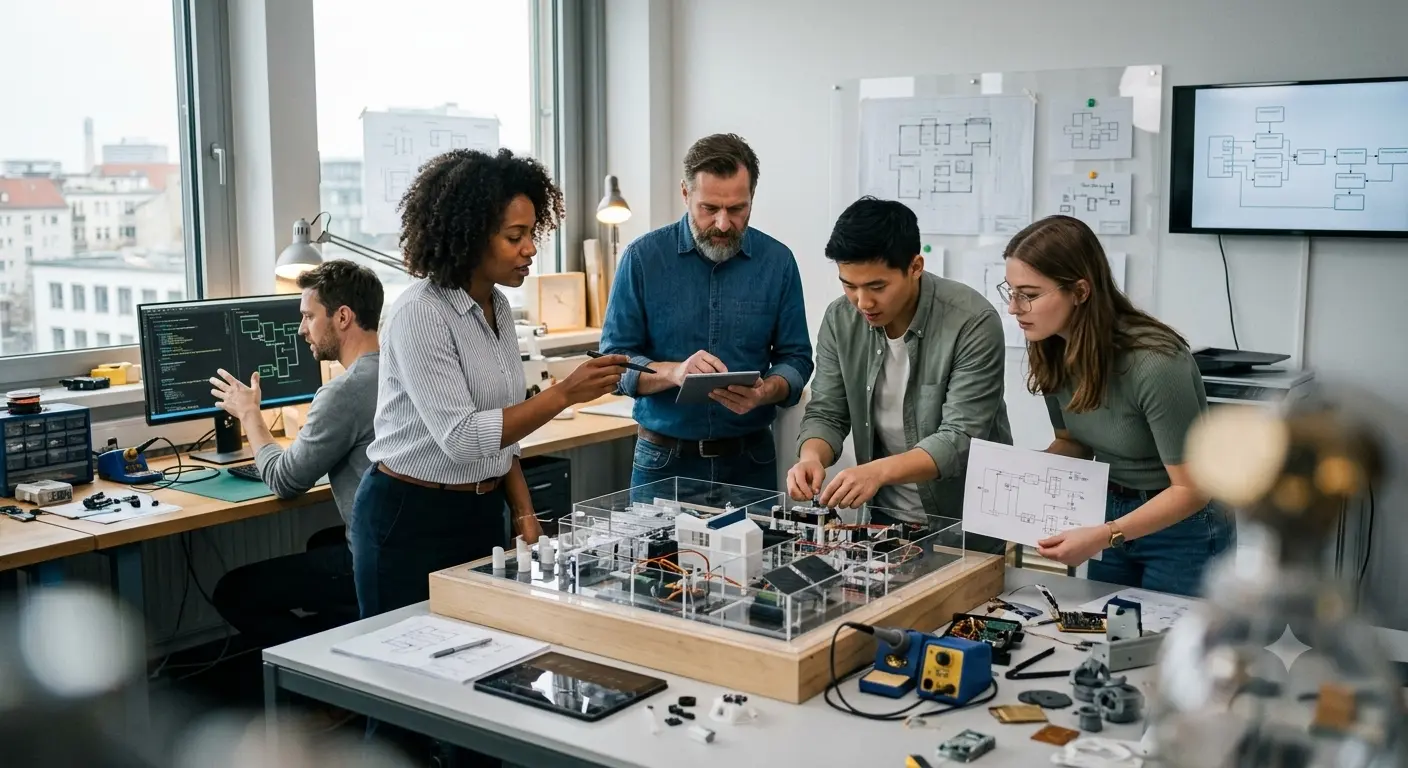
Energy efficiency means providing the same or better level of comfort and service while using less energy. It is a key principle of resource efficiency and the circular economy, which aims to reduce waste, extend the life of resources, and minimise environmental impacts. For hospitality and tourism SMEs, improving energy efficiency can reduce operating costs, increase profitability, strengthen competitiveness, and support compliance with national and European sustainability policies.
Energy use is also closely linked to a business's carbon footprint. A carbon footprint measures the total greenhouse gas emissions generated directly and indirectly by an organisation's activities. In tourism, emissions come from electricity consumption, heating and cooling systems, transport, food preparation, waste management, and water services. Since much of the world's energy is still produced from fossil fuels, reducing energy consumption directly lowers carbon emissions and contributes to climate change mitigation.
Efficient energy use also helps protect natural resources and biodiversity. Producing electricity and fuel requires natural resources and can contribute to air pollution, habitat loss, and greenhouse gas emissions. Climate change is already affecting Albania through higher temperatures, droughts, floods, forest fires, and coastal erosion, threatening the landscapes and ecosystems that attract visitors. By using energy more efficiently and increasing the use of renewable energy, tourism businesses help protect the natural environment while improving their long-term resilience.
For tourism SMEs, energy efficiency should not be viewed only as an environmental measure but as good business practice. Many energy-saving actions require little investment, generate immediate financial savings, improve guest comfort, and demonstrate environmental responsibility to increasingly sustainability-conscious travellers.
Connected to the considerations of reducing energy is also the idea of renewable energy solutions. They complement energy efficiency by providing clean, sustainable sources of power that reduce dependence on fossil fuels. Technologies such as solar photovoltaic panels, solar water heating systems, heat pumps, and sustainably sourced biomass can help tourism businesses meet part of their energy needs while lowering operating costs and greenhouse gas emissions over the long term. Albania has significant potential for solar energy due to its high number of sunny days each year, making renewable energy an increasingly practical option for hotels, guesthouses, restaurants, and visitor facilities. By combining energy efficiency measures with renewable energy investments, tourism SMEs can improve energy security, reduce exposure to rising energy prices, strengthen their environmental performance, and contribute to the transition towards a low-carbon and more resilient tourism sector.
Changing Everyday Behaviours
Daily behaviour has a major influence on energy consumption. Staff should switch off lights, computers, televisions, kitchen equipment, and other electrical appliances when they are not in use. Heating and air-conditioning should not operate while windows or doors are open, and thermostat settings should be adjusted to provide comfort without excessive energy use. Preventive maintenance of heating, cooling, and refrigeration equipment also improves efficiency and extends equipment life.
Guests can contribute by switching off lights and air conditioning when leaving their rooms, closing windows when heating or cooling is operating, and participating in towel and linen reuse programmes, which reduce both energy and water consumption through lower laundry demand.
Simple operational practices also make a difference. Using natural daylight whenever possible reduces the need for artificial lighting. Curtains and shutters help keep buildings cool during summer and retain heat during winter. Kitchen staff can cook efficiently by using lids on pots, matching cookware to burner size, and avoiding unnecessary preheating of ovens.
Regular, simple internal energy audits, and the monitoring of consumption over time can identify opportunities for improvement by checking lighting systems, heating and cooling equipment, insulation, refrigeration, kitchen appliances, and standby electricity use. Checklists help staff ensure that equipment is switched off when not needed and maintained according to manufacturers' recommendations.
Replacing conventional light bulbs with LED lighting, installing occupancy sensors in low-use areas, using programmable thermostats, selecting energy-efficient appliances, and improving insulation are practical investments that often provide rapid financial returns. Where feasible, solar water heating or photovoltaic systems can further reduce energy costs and carbon emissions.
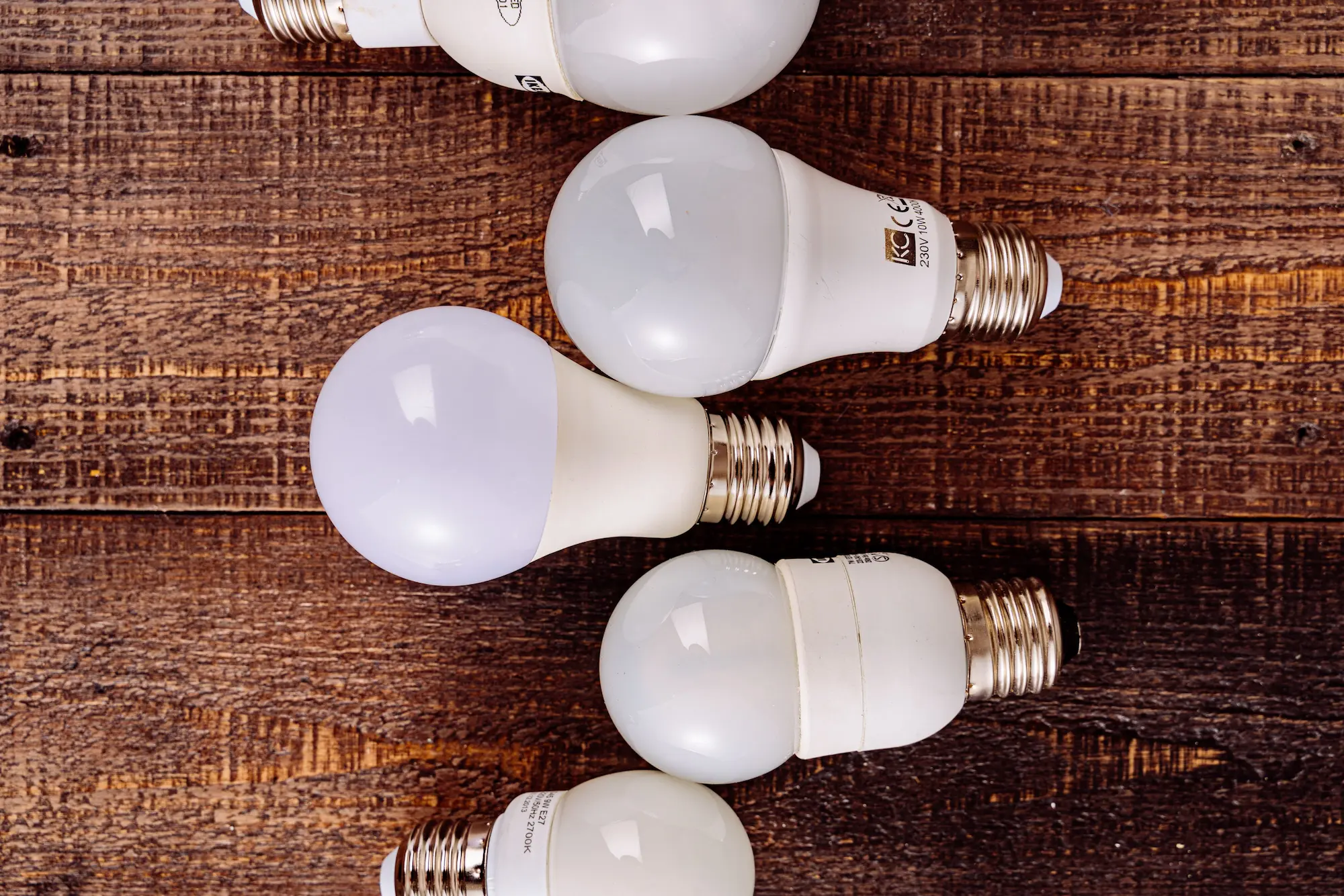
Building awareness among employees and guests creates a culture of energy efficiency. Small daily actions, repeated consistently, can significantly reduce energy consumption, operating costs, and greenhouse gas emissions.
Basic Practical Measurement Tools
Improving energy efficiency begins with measuring and monitoring energy use. Regularly record electricity, gas, or fuel meter readings and compare monthly consumption to identify unusual increases or seasonal patterns. Establishing baselines like energy use per guest overnight or per meal served provides practical indicators for evaluating business and energy performance.
Recording energy consumption together with water use and waste generation provides a comprehensive picture of resource efficiency and supports carbon footprint calculations. Regular monitoring enables businesses to set realistic reduction targets, evaluate progress, demonstrate environmental performance, and prepare for future sustainability reporting requirements. Measuring energy use is the foundation of continuous improvement and helps hospitality and tourism SMEs become more competitive, resilient, and environmentally responsible.
You can use our simple checklist and monitoring template (external document).
Examples and Case Studies
- Best Practice – Hotel Botánico & The Oriental Spa Garden
Hotel Botánico & The Oriental Spa Garden is a luxury hotel recognised for its strong commitment to sustainable tourism and resource efficiency. The hotel operates under internationally recognised environmental standards such as ISO 14001, EMAS, and Biosphere Hotel certification, integrating sustainability into its daily operations while maintaining high-quality hospitality services. The hotel has implemented several innovative measures to reduce energy and water consumption. These include energy-efficient equipment in guest rooms, kitchens, and technical areas, as well as digital climate-control systems that automatically regulate air conditioning and switch it off when balcony doors are opened. Around 71.3% of the hotel’s electricity comes from certified green energy providers, significantly reducing its carbon footprint. Water-saving strategies include dual-flush toilets, flow reducers, and replacing bathtubs with shower trays in guest rooms. The hotel also promotes digital solutions such as QR-code menus and online guest information to reduce paper consumption and waste. Thanks to these measures, water consumption per overnight stay decreased from 0.57 m³ in 2022 to 0.37 m³ in 2023, while overall CO₂ emissions were also significantly reduced.
- Case Study – Hotel Indalo Park (Spain)
Hotel Indalo Park has recently introduced an advanced Energy Management System (EMS) to improve energy efficiency and reduce environmental impact. The smart digital platform controls key hotel systems such as heating, ventilation, air conditioning (HVAC), hot water, and refrigeration according to real-time guest demand rather than fixed settings. This allows the hotel to optimise electricity use and avoid unnecessary energy consumption during periods of lower occupancy.
The project was supported by the Spanish Ministry of Industry and Tourism and the European Union’s Next Generation funds as part of a tourism digitalisation programme. Thanks to this innovation, the hotel expects to reduce its overall energy consumption by 30%, saving around 247,905 kWh annually and reducing CO₂ emissions by nearly 67,000 kg per year. In addition, the hotel anticipates annual financial savings of approximately €37,900.
Additionally the hotel has issued a Guide for the Responsible Tourist document, available for download on their website. In this document, they ask guests to ask responsibly - not only in terms of energy consumption but also when using transportation or visiting heritage sites.
Methodologies and Tools
- Methodology – Energy Consumption Analysis
The Guidance on Conducting Energy Consumption Analysis (Behavioural Insights Team for BEIS) provides a structured methodology to measure and reduce energy use based on real consumption data. It supports evidence-based energy saving by analysing actual meter readings and identifying the impact of efficiency interventions such as smart meters or behavioural changes. The method compares energy consumption between intervention and control groups using real usage data, ensuring accuracy through the use of actual meter readings and addressing missing data via interpolation or extrapolation when needed. It applies statistical techniques such as paired t-tests and regression analysis to determine whether changes in consumption are significant.
- Tool – Impawatt Energy Efficiency Self-Assessment Tool
The Impawatt Energy Efficiency Self-Assessment Tool is a practical digital tool designed to help SMEs evaluate their current level of energy efficiency and identify opportunities for improving energy management practices. The tool supports businesses in assessing existing energy-saving measures related to lighting, heating, cooling, equipment use, and operational practices. Within the tourism and hospitality sector, the tool can support hotels, guesthouses, restaurants, and other tourism (M)SMEs in understanding their energy consumption patterns and identifying realistic low-cost improvements that can reduce operational costs and environmental impacts.
Core Section D: Sustainable Construction and Resource-Efficient Design
Concept Explanation
Renovating or improving buildings and accommodations provides an opportunity to reduce environmental impacts while creating attractive and comfortable spaces for guests. Sustainable construction means designing, building, renovating, and maintaining facilities in ways that use fewer natural resources, generate less waste, and reduce greenhouse gas emissions throughout the life of the building. Resource-efficient design focuses on making the best use of materials, energy, and water while ensuring durability, functionality, and guest comfort.
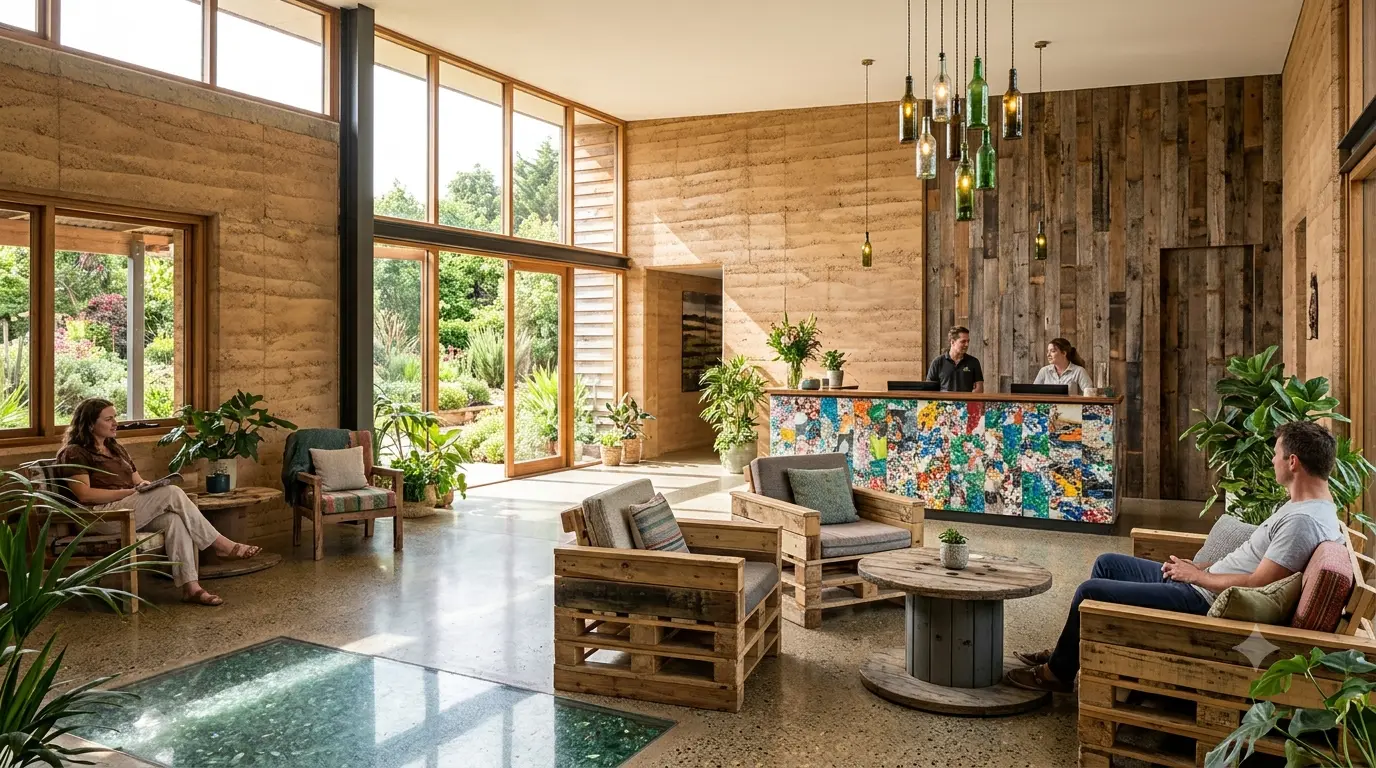
For hospitality and tourism SMEs, sustainable construction does not necessarily mean building a new "green" building or investing in expensive technologies. In many cases, the greatest environmental and financial benefits come from making smart choices during routine maintenance, refurbishment, or interior decoration. Small improvements carried out over time can reduce costs, improve business image, and extend the life of buildings and equipment.
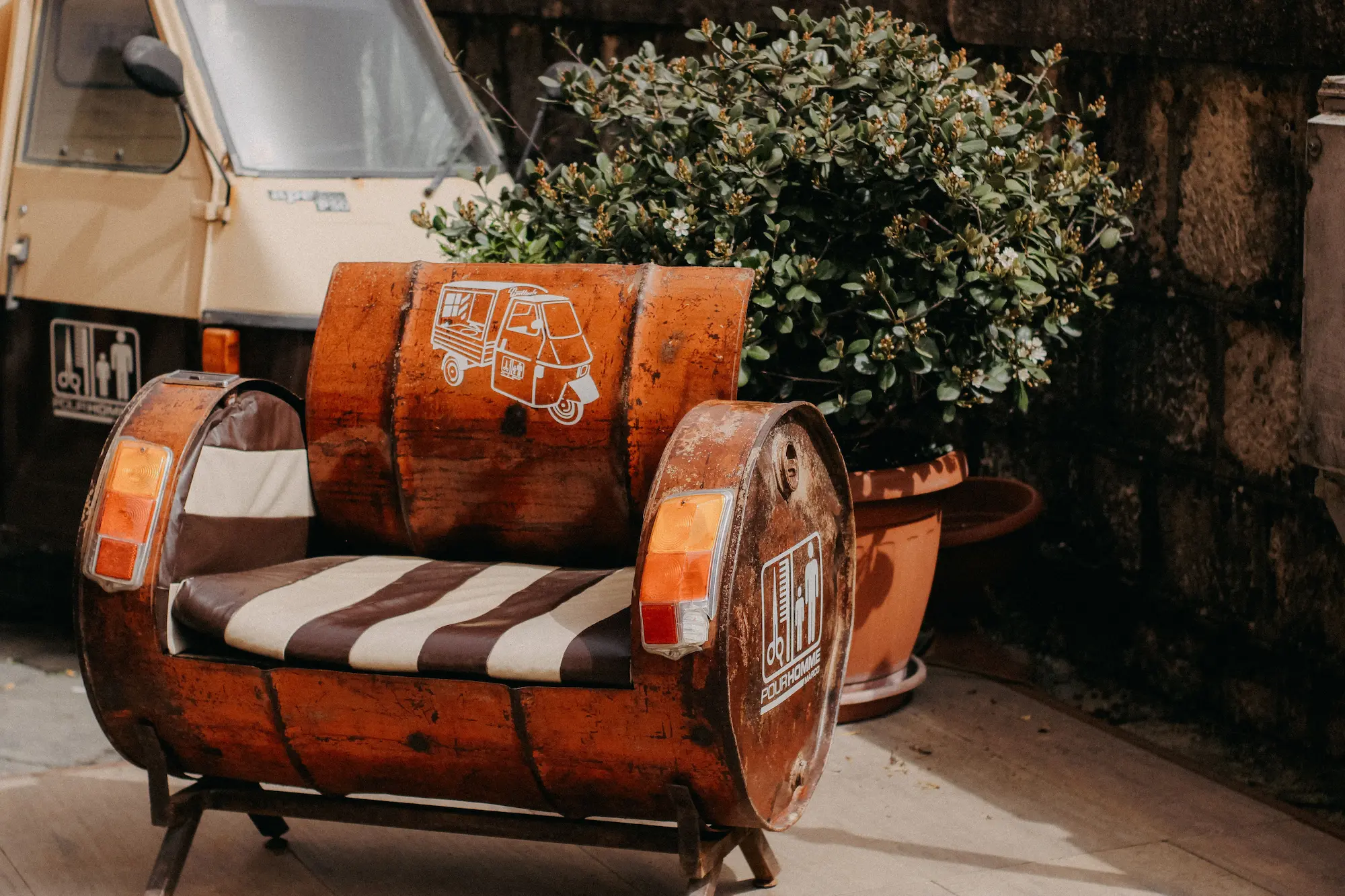
One of the most important principles is to use existing materials whenever possible. Repairing, restoring, repainting, refinishing, or upcycling existing furniture, doors, windows, flooring, and decorative elements usually has a much lower environmental impact than replacing them with new products. Using vintage, second-hand, and upcycled items can also reduce material consumption while creating distinctive and sustainable tourism spaces. Extending the life of existing materials is a core principle of the circular economy because it reduces the demand for raw materials, manufacturing, and transport.
When new materials are needed, priority should be given to locally sourced products. Buying stone, timber, ceramics, textiles, furniture, and other materials from local suppliers reduces transport distances, supports local businesses, and helps preserve regional craftsmanship. Local materials are often better suited to the local climate and architectural traditions, creating authentic visitor experiences while strengthening the local economy.
Natural materials can be a sustainable choice when they are responsibly sourced, durable, and suitable for their intended use. Certified timber, cork, clay, lime-based plaster, wool, cotton, and other renewable materials can have lower embodied energy than many conventional alternatives, although their overall impact depends on sourcing, processing, transport, and lifespan. Many natural materials contain fewer synthetic additives and may contribute to improved indoor air quality by reducing exposure to certain harmful chemicals and volatile organic compounds. Selecting durable, low-maintenance materials can further reduce environmental impacts by extending building life, reducing repairs, and limiting waste.
Recycled and reused materials can play an important role in sustainable design by reducing demand for virgin resources and helping to prevent usable products from becoming waste. Materials such as reclaimed wood, bricks, recycled metals, recycled glass, refurbished furniture, and second-hand fixtures can reduce environmental impacts when they are responsibly sourced, durable, and suitable for their intended use. Reusing existing decorative elements, lighting fixtures, shelving, doors, and furnishings can also add unique character to tourism businesses while supporting circular economy practices.

Resource-efficient design also considers how materials are used. Good insulation reduces heating and cooling needs, energy-efficient windows improve thermal comfort, and light-coloured roofs or external shading reduce summer overheating. Selecting durable finishes and modular furniture that can be repaired or replaced in parts extends product life and reduces future renovation costs. During renovation, waste should be separated so that wood, metal, glass, cardboard, and other materials can be recycled whenever possible.
For small tourism businesses, sustainable construction should be integrated into normal business planning. Rather than replacing everything at once, owners can gradually introduce more sustainable materials whenever rooms are renovated, equipment reaches the end of its life, or maintenance is already planned. This phased approach spreads costs while steadily improving environmental performance.
Calculating the Carbon Footprint of Construction Materials and Renovation Activities
A carbon footprint measures the total greenhouse gas emissions generated by an activity, product, or organisation. For construction and renovation, emissions come from extracting raw materials, manufacturing products, transporting them, installing them, maintaining them, and eventually disposing of them. Understanding these emissions helps businesses choose lower-impact alternatives.
For hospitality and tourism (M)SMEs, carbon footprint calculations do not need to be highly technical. A practical approach begins by listing the main materials purchased during a renovation, such as timber, concrete, tiles, paint, insulation, furniture, or lighting. The quantity of each material is recorded using kilograms, cubic metres, square metres, or the number of items purchased.

The next step is to obtain an emission factor for each material. An emission factor expresses the average greenhouse gas emissions associated with producing one unit of a product, for example kilograms of carbon dioxide equivalent (kg CO₂e) per kilogram of material or per product. Many governments, environmental agencies, construction databases, and Environmental Product Declarations (EPDs) provide these values.
The basic calculation is straightforward:
Carbon footprint = Quantity of material × Emission factor
For example, if 500 kg of ceramic tiles have an emission factor of 0.9 kg CO₂e per kilogram, the embodied emissions equal 450 kg CO₂e. If an alternative recycled product has a lower emission factor, the total emissions may be significantly reduced. Similar calculations can be applied to timber, insulation, paint, furniture, or other purchased materials.
Transport should also be considered. Materials delivered from nearby suppliers usually generate lower transport emissions than imported products travelling long distances. Choosing local suppliers therefore often reduces both transport costs and carbon emissions. The basic formula here is
CO₂ emissions (kg CO₂e) = Weight (tonnes) × Distance (km) × Emission factor (kg CO₂e/tonne-km)
To reduce the transport footprint, different modes of transport should be considered. It makes a difference if the materials are shipped via road, rail, or sea.
Another often forgotten way to reduce the carbon footprint is avoiding waste: Ordering accurate quantities, reusing existing materials, donating unwanted furniture, and recycling demolition waste all reduce emissions by avoiding unnecessary production of replacement materials and reducing landfill disposal.
The same principles can be applied to renovation activities beyond materials. Replacing conventional lighting with LED lighting, improving insulation, or installing energy-efficient windows may initially generate some embodied carbon through manufacturing, but these investments often reduce operational energy use for many years. Evaluating both the emissions generated during installation and the future energy savings provides a more complete picture of environmental performance.
Tourism SMEs do not need complex software to begin measuring embodied carbon. Simple spreadsheets that record purchased materials, quantities, suppliers, transport distances, and available emission factors can provide useful estimates and help compare different renovation options. Over time, these records also support sustainability reporting, carbon reduction planning, and communication with environmentally conscious customers.
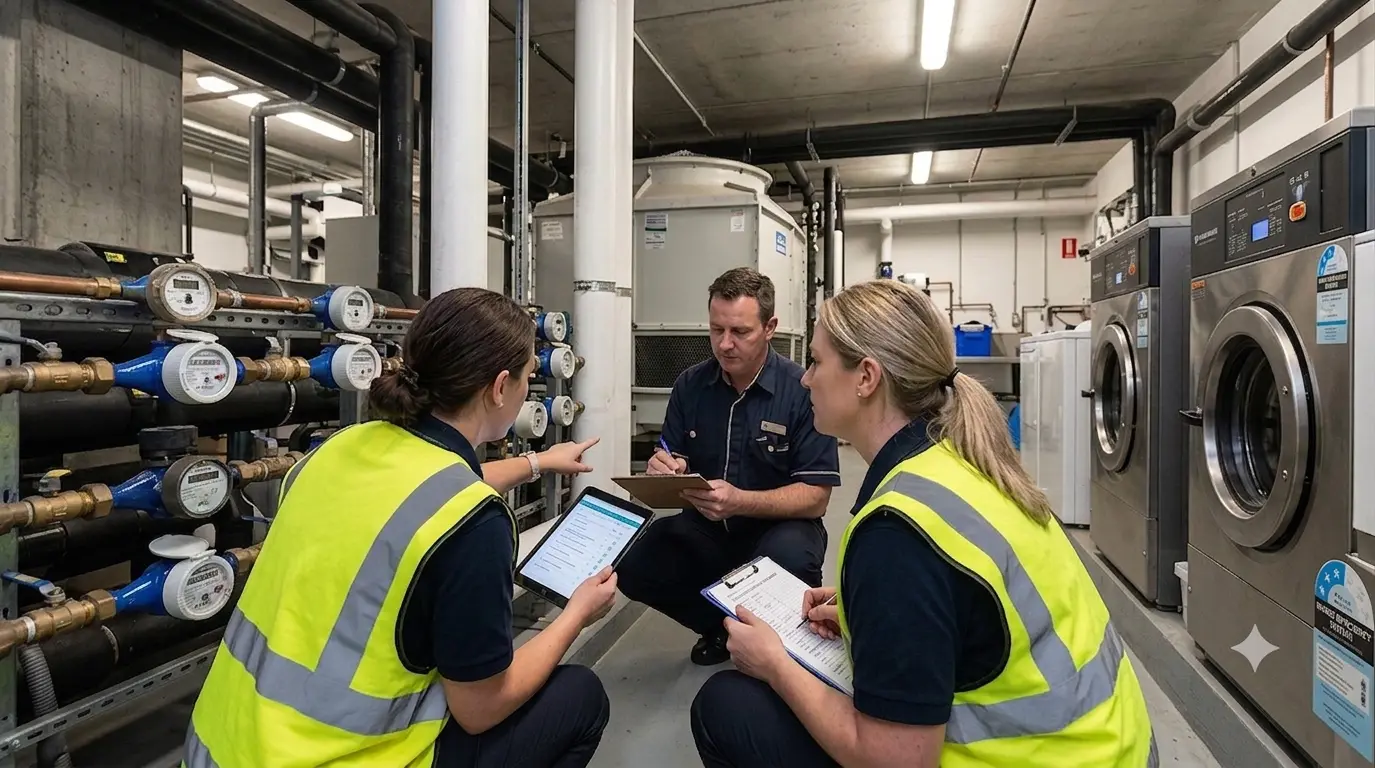
By choosing local, natural, recycled, and durable materials while measuring their carbon impacts, businesses can make practical improvements that reduce costs, protect natural resources, support the circular economy, and contribute to Albania's transition towards more sustainable tourism
- Best Practice 1– Greet Chartres Est Hotel
Greet Chartres Est Hotel is an innovative example of circular economy principles applied to the hospitality sector. Part of the Accor Greet brand, the hotel was renovated using second-hand, reused, and upcycled furniture and decorative elements instead of purchasing new materials. This approach reduces waste, extends product life cycles, and lowers renovation costs while creating a unique and creative guest experience.
The hotel collaborates with organisations such as Emmaüs and Selency to source reused furniture and decorative items. Staff members also contribute by continuously adding recovered objects to the hotel’s interior design, making sustainability part of the hotel’s identity and daily operations. In addition to reducing waste, the hotel promotes local sourcing, durable materials, and modular design solutions that can easily be repaired or adapted over time.
This practice demonstrates how circular tourism can combine environmental sustainability, social inclusion, and affordable hospitality. The hotel has received Green Key certification, confirming its commitment to sustainable tourism standards while maintaining high guest satisfaction.
- Best Practice 2 – Hotel Berlin
Hotel Berlin exemplifies how sustainable practices can be embedded into the tourism experience. The hotel maintains a structured sustainability strategy, updated annually, and publishes a comprehensive sustainability report to communicate its progress transparently. Each year, measurable goals are set to improve environmental performance; for example, targets for 2025 include limiting energy consumption (electricity + heating) to a maximum of 14.10 kWh per guest night and reducing water usage to no more than 131.98 litres per guest night. To achieve these goals, the hotel implements actions such as installing low-flow fixtures and devices, using drought-resistant landscaping with efficient irrigation systems, and monitoring water usage to identify areas for improvement.
Guest engagement remains central, with initiatives like the “4-Minute Shower Challenge” and upcycled soaps allowing visitors to participate in sustainability efforts. By making sustainability visible through communication channels, including a dedicated section on the hotel’s website and the annual report, Hotel Berlin enhances the guest experience, attracts eco-conscious travellers, and provides a replicable model for hotels aiming to combine high-quality service with responsible tourism.
Methodologies and Tools
Methodology – WTO Overview
Tourism is a complex sector and it can be hard to select the right methodology for your project or business. The World Tourism Organization (WTO) has published the book Climate Action in the Tourism Sector – An overview of methodologies and tools to measure greenhouse gas emissions in 2023 which is available as free download at https://www.e-unwto.org/doi/epdf/10.18111/9789284423927
Tool – New European Bauhaus (NEB) Self-Assessment Tool
The New European Bauhaus (NEB) Self-Assessment Tool is a European Commission framework that helps evaluate the alignment of building and living-space projects with NEB principles: sustainability, beauty, and inclusiveness. It uses indicators and performance criteria to identify strengths and improvement opportunities, supporting better design decisions and continuous improvement rather than certification.
Link: https://knowledge-management.new-european-bauhaus.europa.eu/homepage
Core Section E: Resource Efficiency Skills in VET
Concept Explanation
Vocational Education and Training (VET) plays a vital role in preparing future tourism employees and entrepreneurs for a more sustainable sector. Hotels, guesthouses, restaurants, campsites, and attractions increasingly need professionals who can use energy, water, and materials efficiently while maintaining quality services. Resource efficiency is not only an environmental responsibility; it is a practical workplace skill that reduces costs, improves business performance, and strengthens the competitiveness of tourism SMEs.
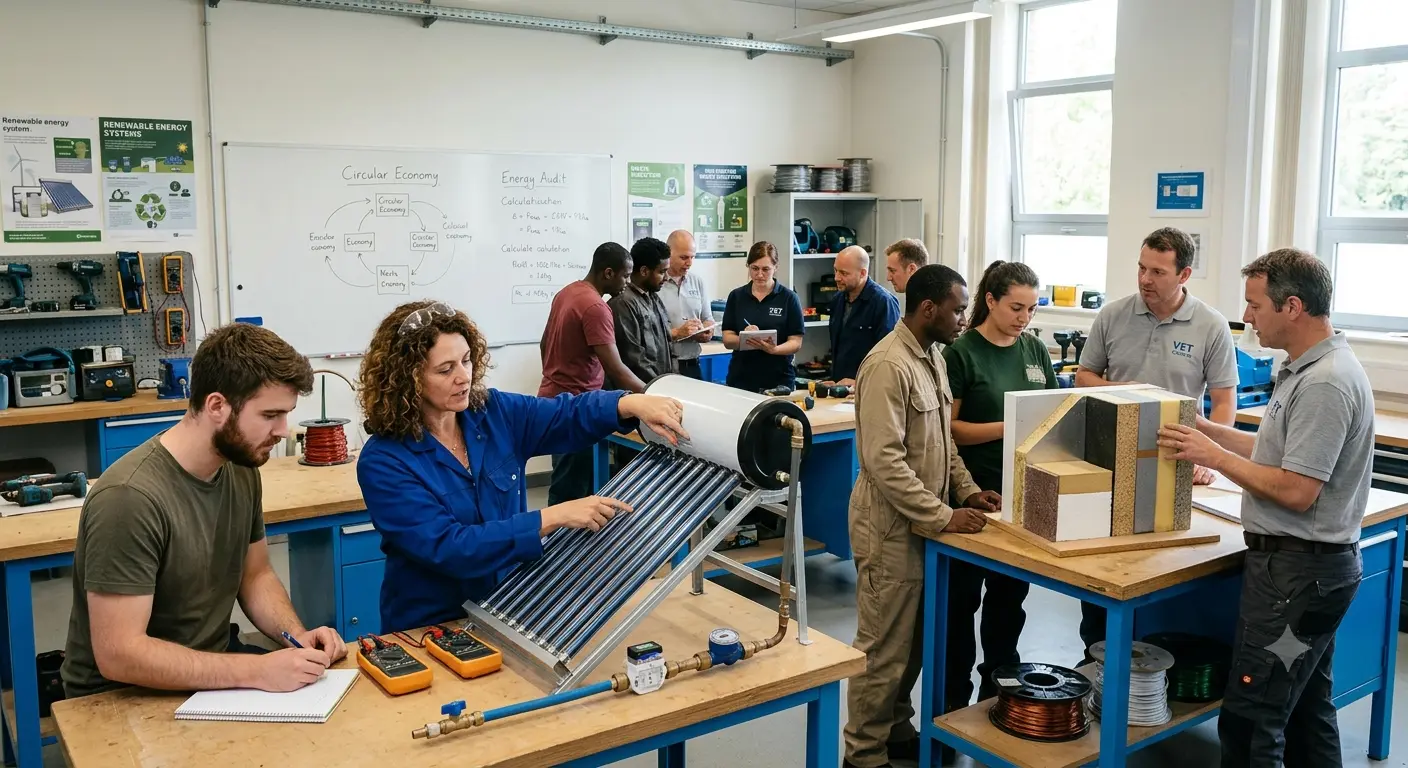
VET programmes should teach sustainability through practical application rather than theory alone. Learners should understand how everyday decisions in accommodation, food service, housekeeping, maintenance, and visitor management affect resource use and environmental impacts. Basic concepts such as identifying waste, improving systems, and recognising long-term benefits should be developed through real examples.
Simple examples, such as solar water heating, solar panels, and heat pumps, can demonstrate how renewable technologies support cost reduction and lower emissions. Water efficiency should include practical measures such as leak detection, efficient fixtures, linen reuse, irrigation management, and responsible wastewater practices.
Basic monitoring skills are also essential. Learners can practice reading meters, analysing utility consumption, calculating resource use per guest, and identifying inefficiencies. Carbon footprint concepts can be introduced through simple calculations based on energy, water, fuel, and material consumption. In the following, you find some suggestions related to this module’s chapters.
Water Efficiency
Students should understand how tourism businesses can place significant pressure on water resources, especially during periods of high visitor demand. Teaching should introduce the relationship between water consumption, operating costs, energy use, and environmental impacts. Learners should develop practical skills to identify water-saving opportunities, e.g. in accommodation, food service, landscaping, and maintenance operations.
Key skills include:
- Reading and interpreting water meter data and utility bills
- Calculating water consumption per guest night, meal served, or operational activity
- Inspecting taps, toilets, showers, irrigation systems, and pipes to identify leaks or inefficient equipment
- Understanding the function and benefits of water-saving technologies such as low-flow taps, efficient showerheads, dual-flush toilets, rainwater harvesting systems, and greywater solutions
- Developing water reduction action plans for tourism businesses
- Communicating responsible water use practices to staff and guests
Practical classroom activities could include conducting a water audit of the school building, measuring water use during everyday activities, comparing conventional and water-efficient fixtures, and developing recommendations for reducing consumption.
Energy Efficiency and Renewable Energy
Students should learn that energy efficiency is the first priority before investing in renewable energy technologies. The focus should be on understanding how tourism businesses consume energy and how operational improvements can reduce costs and emissions.

Key skills include:
- Identifying major energy users in hospitality operations, including lighting, heating, cooling, kitchens, laundry, and refrigeration
- Reading electricity meters and analysing energy bills
- Calculating energy consumption indicators, such as kWh per guest night or per square metre
- Identifying energy waste caused by inefficient behaviour, poor maintenance, unnecessary lighting, standby equipment, or incorrect temperature settings
- Understanding basic energy-saving measures such as LED lighting, efficient appliances, insulation improvements, smart controls, and equipment maintenance
- Recognising the role of renewable energy technologies, including solar photovoltaic systems, solar water heating, biomass, and heat pumps
Students do not need to become energy engineers; they need to understand where renewable energy can support tourism operations and how efficiency improvements reduce investment needs and operating costs.
Practical exercises could include a walk-through of a training facility, where students identify energy waste, propose solutions, estimate potential savings, and prioritise actions according to cost and impact.
Carbon Footprint Calculation
Students should have a basic understanding of how tourism activities contribute to greenhouse gas emissions, and understand that emissions come not only from energy use but also from transport, food, waste, water consumption, and purchased materials.
Key skills include:
- Understanding the difference between direct and indirect emissions
- Identifying emission sources within a tourism business
- Collecting basic activity data such as electricity consumption, fuel use, waste quantities, water consumption, transport distances, and material purchases
- Applying emission factors to estimate CO₂ equivalent emissions
- Calculating simple indicators, such as kg CO₂e per guest night or per visitor
- Interpreting results and identifying opportunities for emission reductions
Classroom activities can include preparing a simplified carbon footprint assessment of the school, a hypothetical guesthouse, or a local tourism business. Students can compare different scenarios, such as replacing inefficient lighting, reducing food waste, using renewable energy, or sourcing local products, and evaluate the potential environmental benefits.
Sustainable Design and Circular Approaches
Students should understand that sustainable tourism facilities are influenced by decisions made during design, renovation, and procurement. Sustainable design should be introduced as an approach that combines environmental responsibility, functionality, visitor comfort, cultural identity, and long-term economic value.
Key skills include:
- Understanding the principles of passive design, including natural lighting, ventilation, shading, insulation, and climate-responsive construction.
- Selecting materials based on durability, maintenance needs, environmental impact, and local availability
- Recognising the benefits and limitations of natural, recycled, reclaimed, and renewable materials
- Applying circular economy principles through reuse, repair, refurbishment, and waste reduction
- Considering accessibility, user comfort, and connection with local culture in tourism spaces
- Evaluating design choices through simple sustainability criteria
As an exercise, students could analyse existing hotels, guesthouses, or restaurants and identify opportunities to improve energy performance, reduce material waste, enhance visitor experience, and strengthen local identity. You can also ask students to redesign a guest room, restaurant area, or small accommodation facility using sustainable principles.
Recommended Teaching Methodologies
Sustainability topics are best taught through active and experiential learning methods that connect classroom knowledge with workplace realities.
Project-Based Learning
Project-based learning allows students to work on realistic sustainability challenges over an extended period. Examples include:
- Conducting a sustainability audit of the school or a local tourism business
- Developing a water and energy reduction plan
- Calculating the carbon footprint of a tourism activity
- Designing a sustainable guest room concept
- Preparing a business case showing environmental and financial benefits
Students can also be given practical scenarios, such as:
- A guesthouse with increasing electricity costs
- A restaurant producing excessive food waste
- A hotel experiencing high water consumption during peak season
They diagnose the problem, propose solutions, estimate benefits, and present recommendations. These activities strengthen critical thinking, communication, and decision-making skills. These activities are also well-suited for team tasks.

Workplace Learning and Case Studies
Partnerships with local tourism businesses can provide valuable learning opportunities. Students visit hotels, restaurants, and agritourism enterprises to observe sustainable practices, identify challenges, and discuss real operational decisions. Local case studies make sustainability more relevant by showing that resource efficiency can support both environmental goals and business success.
Examples and Case Studies
- Case Study – Practice-Based Sustainability Learning at FOS/BOS
The German school FOS/BOS in Erlangen was certified as “Umweltschule in Europa / Internationale Nachhaltigkeitsschule” for the 2024/25 school year. The school is recognised for integrating sustainability principles into everyday school life through practical, student-led activities and community engagement.
It follows the BNE (Bildung für nachhaltige Entwicklung – Education for Sustainable Development) principle, an educational approach that aims to equip learners with the knowledge, skills, values, and attitudes needed to make responsible decisions for a sustainable future. Rather than teaching sustainability as a separate topic, BNE integrates sustainability into all areas of learning by encouraging students to understand complex social, environmental, and economic relationships and to actively participate in finding solutions. It focuses on developing competencies such as critical thinking, systems thinking, collaboration, problem-solving, and the ability to evaluate the long-term impacts of actions.
During the Circular Tourism study visit in April 2026, Albanian teachers and tourism professionals explored how sustainability topics can be taught through applied and participatory learning methods at FOS/BOS. Students presented several environmental initiatives including waste separation systems, bottle deposit collection, a clothing exchange initiative (“Fashion for Future”), a water dispenser reducing plastic waste, an interactive cigarette butt collector (“Frag-O-Mat”), and a school garden. These projects demonstrate how learning-by-doing approaches can help learners develop practical sustainability competences connected to real-life situations. Through these projects, students actively reflected on responsible resource use, waste reduction, water-saving practices, and environmental awareness while linking their activities to the Sustainable Development Goals (SDGs).
- Best Practice - Energiescout
Energiescouts is an initiative organised by the VET school Städtische Berufsschule für Informationstechnik in Munich (BS Info München). Every year, 1–2 students per class are appointed as responsible for energy saving, waste reduction, and sustainability. These students receive special training and act as sustainability ambassadors within their school community. Through practical activities such as monitoring energy consumption, initiating waste prevention measures, and leading awareness campaigns, Energiescouts make sustainability a visible and lived practice in everyday school life. Their engagement is formally recognised through certificates and notes on school transcripts, reinforcing the value of sustainability in education. The program requires minimal resources and is easily adaptable to different vocational schools and sectors, making it a highly scalable and replicable best practice for raising environmental awareness among youth .
Methodologies and Tools
- Methodology – Challenge-Based Learning
Challenge-Based Learning (CBL) is an educational framework that engages learners in solving authentic, real-world problems through a structured process of investigation, collaboration, action, and reflection. Instead of learning only through theoretical instruction, students work on meaningful challenges connected to their communities, workplaces, or society, identify the underlying issues, research possible solutions, develop and implement practical responses, and evaluate their impact. The framework typically involves three stages: Engage (understanding the challenge and developing guiding questions), Investigate (collecting knowledge, exploring solutions, and building skills), and Act (implementing solutions and sharing results). CBL promotes critical thinking, creativity, teamwork, communication, and problem-solving skills, making it particularly suitable for vocational education where learners need to apply knowledge to complex professional situations.
Challenge Based Learning Framework
- Tool: ECOLit-Kit – Toolkit for Educators
The toolkit provides open educational resources and learning scenarios to help educators develop environmental literacy in their learners and to combat misinformation about climate change, resource use, and environmental responsibility. It is adaptable to different classroom settings.